Politics & Government
Salem Mayoral Debate 2023: Candidates Talk Schools, Housing, Halloween
While the five candidates on the ballot largely agreed on many issues, the debate revealed key differences in perspectives and priorities.


SALEM, MA — While the five candidates on the ballot to become Salem's next mayor shared many of the same progressive views on the importance of affordable housing, diversity, coastal resiliency and the wind turbine energy industry to the future of the Witch City, Tuesday night's debate at Salem State University did reveal a set of differences among them when it comes to priorities and perspective on the state of the city.
Former Salem City Councilor and Mayoral candidate Steve Dibble, former Salem Mayor and current Salisbury Town Administrator Neil Harrington, Salem community activist and former City Council candidate Stacia Kraft, Salem Acting Mayor and City Councilor Robert McCarthy and former Salem Chief of Staff Dominick Pangallo shared their contrasting visions on everything from traffic to the schools to the ballooning Halloween crowds each year and how they affect residents and businesses.
Salem professional Skip Bensley, who did not have enough verified nominations to make the ballot, told Patch he is still running a write-in campaign to fill out the remainder of what would have been Lt. Governor Kim Driscoll's term through the end of 2025. (EDITOR'S NOTE: Bensley has since discontinued his campaign for mayor.)
Find out what's happening in Salemfor free with the latest updates from Patch.
Each candidate on the stage Tuesday staked out their own turf in the crowded field with Dibble describing himself as the true change candidate seeking to prioritize business development over that of upscale housing, Harrington stressing his experience in a time of transition as a chief municipal executive for more than two decades in two communities, Kraft leaning on climate concerns and the benefits of her outsider perspective as a grassroots community organizer, McCarthy citing his long tenure as a ward city councilor and short current tenure as acting mayor listening to the voice of the people, and Pangallo repeatedly referencing the accomplishments of the Driscoll administration, his role in those accomplishments and his list of endorsements in the special election race.
More than 400 people watched the live stream of the 90-minute debate to go along with the capacity crowd of 300 people in person at Salem State's Sophia Gorden Center for Creative and Performing Arts.
Find out what's happening in Salemfor free with the latest updates from Patch.
Two areas where candidates appeared to clash most were the state of Salem Public Schools and the explosive growth of Haunted Happenings.
Dibble continued his criticisms of what he called the exodus of students and talented teachers from a struggling district that he attacked when he ran against Driscoll in 2021. Dibble said he would remove the mayor as the chair of the School Committee — as was the case with Driscoll and is currently the case with McCarthy — if elected, as well as call for an eight-year term limit for mayor.
"Our schools need help," Dibble said. "We're losing kids and having them find their education somewhere else. ... We're way behind because of COVID ... Our children can't wait. That's probably the most pressing need right now."
McCarthy, however, called the idea of a struggling Salem school system a "perception problem" and praised the progress and achievements of recent years, as did Pangallo in citing that he is "optimistic about the path that the district is on."
Harrington said the schools are in need of stability and that he is happy that Superintendent Steve Zrike recently agreed to a five-year contract extension, while Kraft said she is encouraged by Zrike's work but that the schools still suffer from a persistent communication problem with families.
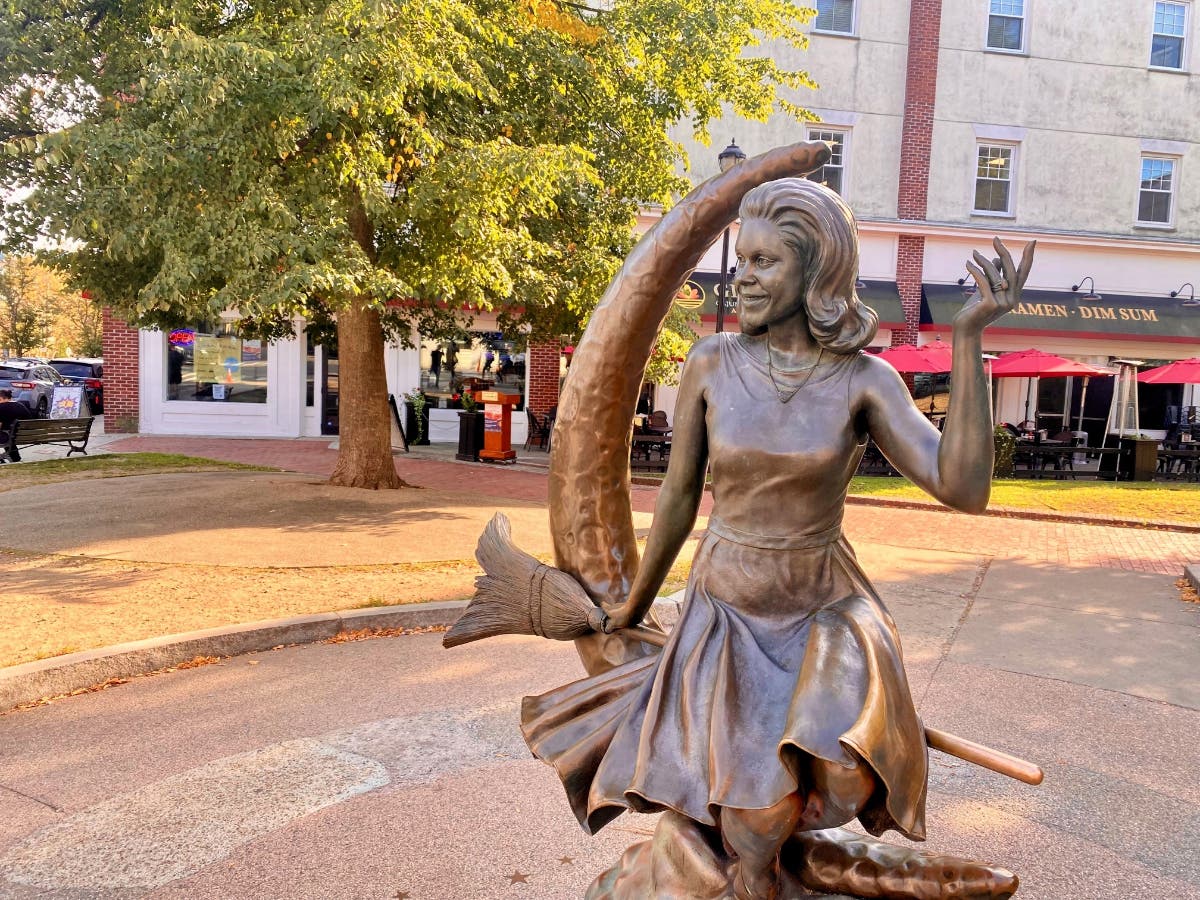
Harrington and Kraft both sought big changes to the annual Haunted Happenings that drew nearly 1 million visitors to the city this past October.
Harrington called the month "out of control" and that it needs to be downsized to "something we can manage," while Kraft said the marketing of what she called "witch kitsch" was "beneath us as a city" and that it should do more to promote its marine and historical heritage.
Dibble, McCarthy and Pangallo were more supportive of the positive impact of the annual influx of business and tourism but allowed that with increasing crowds for longer stretches of the fall comes the need to coordinate crowd control and messaging on how best to visit and enjoy the city.
"We can't go back to the bad practice of acting like it wasn't happening," Pangallo said. "We have to plan for it, and manage it, and improve traffic." Pangallo added that while the city benefits from a "visitor's economy" it should do more to make sure the visitors pay for the services needed to sustain it.
Kraft promoted the idea of crosstown electric bus and trolley services to help mitigate the city's traffic troubles, while all five candidates backed non-vehicle transportation alternatives, such as bikes, walking paths and the Salem Skipper municipal ride-share service, and the importance of a proposed new South Salem Commuter Rail station near the university.
"We need to manage the people who come here," said Harrington, noting that the number of vehicles registered to residents in the city has not changed significantly over the past decade as traffic has gotten increasingly worse. "We are not in a difficult position because we're undesirable. We're in a difficult position because we are desirable. We just have to manage it better."
All candidates expressed support for more housing to support the city's blue-collar and service economy, but Harrington did break with McCarthy's and Pangallo's support of a condo-conversion ordinance protecting tenants as one that is cumbersome and inherently unfair to new and existing property owners.
Kraft expressed her concerns over the effect that the growing number of Air BnBs was having on the housing stock and that the recently passed accessory dwelling unit ordinance would increase that problem even if the ADU ordinance itself prohibits their use for that purpose.
On the subject of climate control, Kraft said there should be a prohibition of all new development in the city's flood plains, while Pangallo called climate "the existential crisis of our time, of our children's time and of our grandchildren's time."
The preliminary election is set for March 28 with the two top vote-getters then moving on to a special election showdown to fill out the current term on May 16.
(Scott Souza is a Patch field editor covering Beverly, Danvers, Marblehead, Peabody, Salem and Swampscott. He can be reached at Scott.Souza@Patch.com. Twitter: @Scott_Souza.)
Get more local news delivered straight to your inbox. Sign up for free Patch newsletters and alerts.