Health & Fitness
Beware of Damaging Winter Moth in Your Yard This Spring
Don't Let Spring Pests Damage Your Garden!
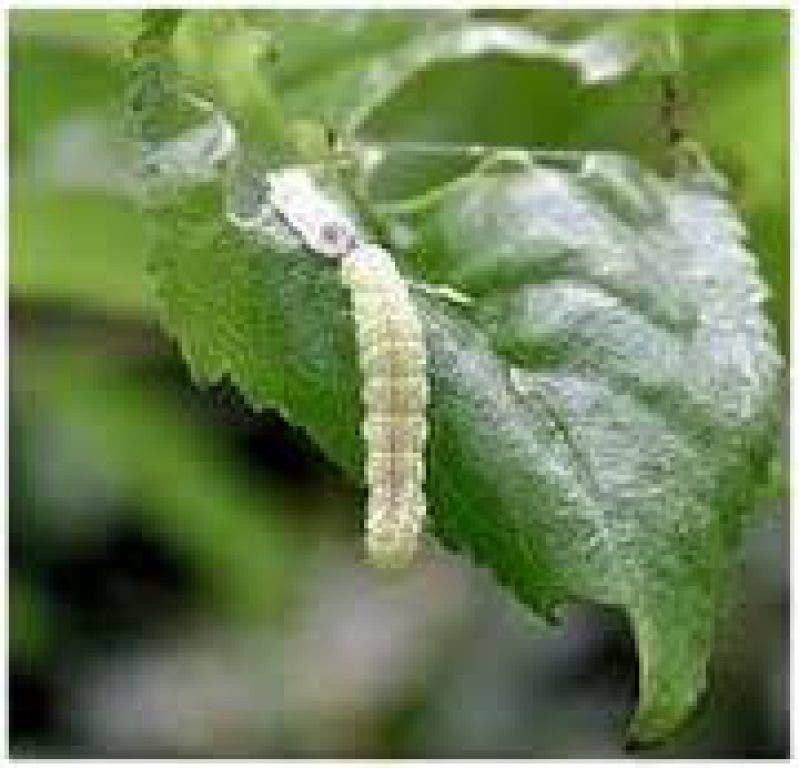
From mid-April into May, winter moth larvae (green inch worms) can devour the new leaves of deciduous Oak trees, Maples, Birches, Crabapples and Blueberry bushes.
The damage of defoliation during this critical growth period can be catastrophic, causing severe stress and even plant death.
The winter moth's largest and most damaging populations are right here in Eastern Massachusetts: a significant number of stunted and dead trees around the region are victims to this pest, especially in recent years.
Find out what's happening in Sharonfor free with the latest updates from Patch.
There are a couple of easy ways to determine whether plants are affected by winter moth larvae.
In the late fall between Thanksgiving and December, moths are attracted to outdoor lights. This is a sign that egg-laying activity is happening nearby. Also, in the Spring tiny green worms may hang from trees by a cobweb-like thread. This is how the worms travel from tree to tree looking for their next meal.
Find out what's happening in Sharonfor free with the latest updates from Patch.
The timing for treatment is important, as catching the pests just as they are emerging from the blossoming buds of vulnerable plants and trees (this usually occurs in mid-April) is integral. The sooner a spray treatment is applied after buds open, the better, as the damage can be much more controlled. When considering a pesticide application, it is recommended to seek out a landscaping company with equipment capable of spraying up to the height of mature trees, as a partial application will be insufficient.