Crime & Safety
Jury Says Randolph Man Falsely Accused DreamWorks of Stealing Kung Fu Panda Characters
No, the idea and characters for the hit movies didn't come from Randolph resident Jayme Gordon.


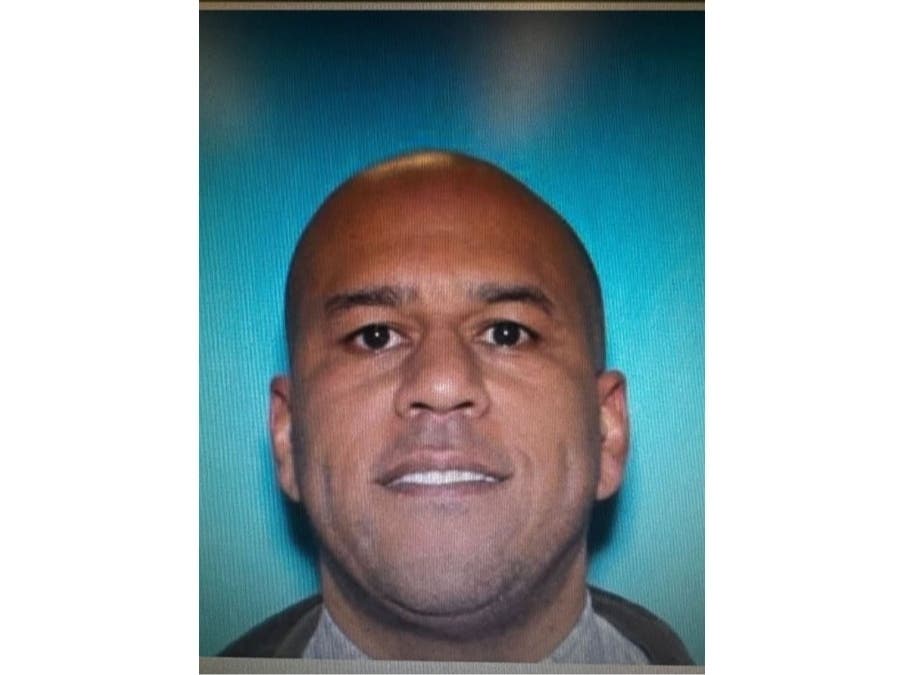
RANDOLPH, MA — A federal jury has decided that a Randolph man intentionally accused DreamWorks Animation of stealing the idea for King Fu Panda from him as part of a scheme.
Late Friday, the jury ruled that Jayme Gordon, 51, falsely claimed that the company stole the characters and story for the animated movie from him and found him guilty of four counts of wire fraud and three counts of perjury, according to the U.S. Attorney's office.
Authorities say Gordon filed a lawsuit against DreamWorks as part of a scheme to obtain a multi-million dollar settlement. Authorities say he created and backdated drawings of characters, lied during his deposition, and destroyed computer evidence.
Find out what's happening in Stoughtonfor free with the latest updates from Patch.
"Beyond the superficial similarities, the panda characters and story that Gordon created during the 1990s has very little in common with DreamWorks' movie, Kung Fu Panda," the U.S. Attorney's office said.
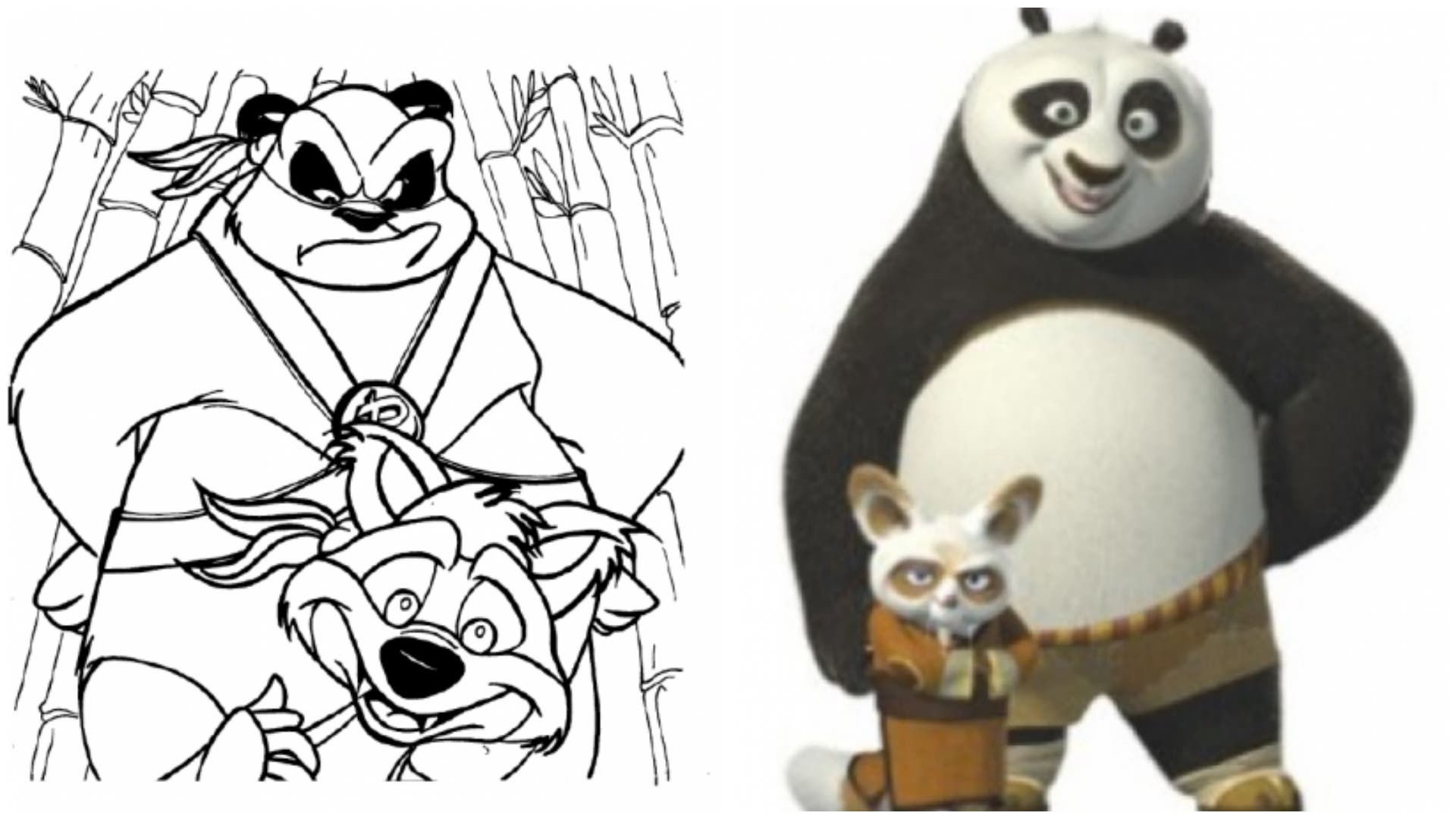
Authorities say Gordon's scheme started in early 2008 after he saw a trailer for Kung Fu Panda and renamed his Panda Power drawings to Kung Fu Panda Power and revised the characters to appear similar to those in the movie. Gordon filed a copyright infringement suit against DreamWorks in U.S. District Court in 2011. Later that year, he said he would drop the lawsuit if DreamWorks paid him $12 million. The offer was declined and litigation continued for two years.
Find out what's happening in Stoughtonfor free with the latest updates from Patch.
During the litigation, DreamWorks learned that some of Gordon's drawings, which were dated 1992 and 1993, were traced from a Lion King coloring book that was not released until 1996. At trial, Gordon denied tracing the drawings and accused Disney of using his drawings to create the Timon character.
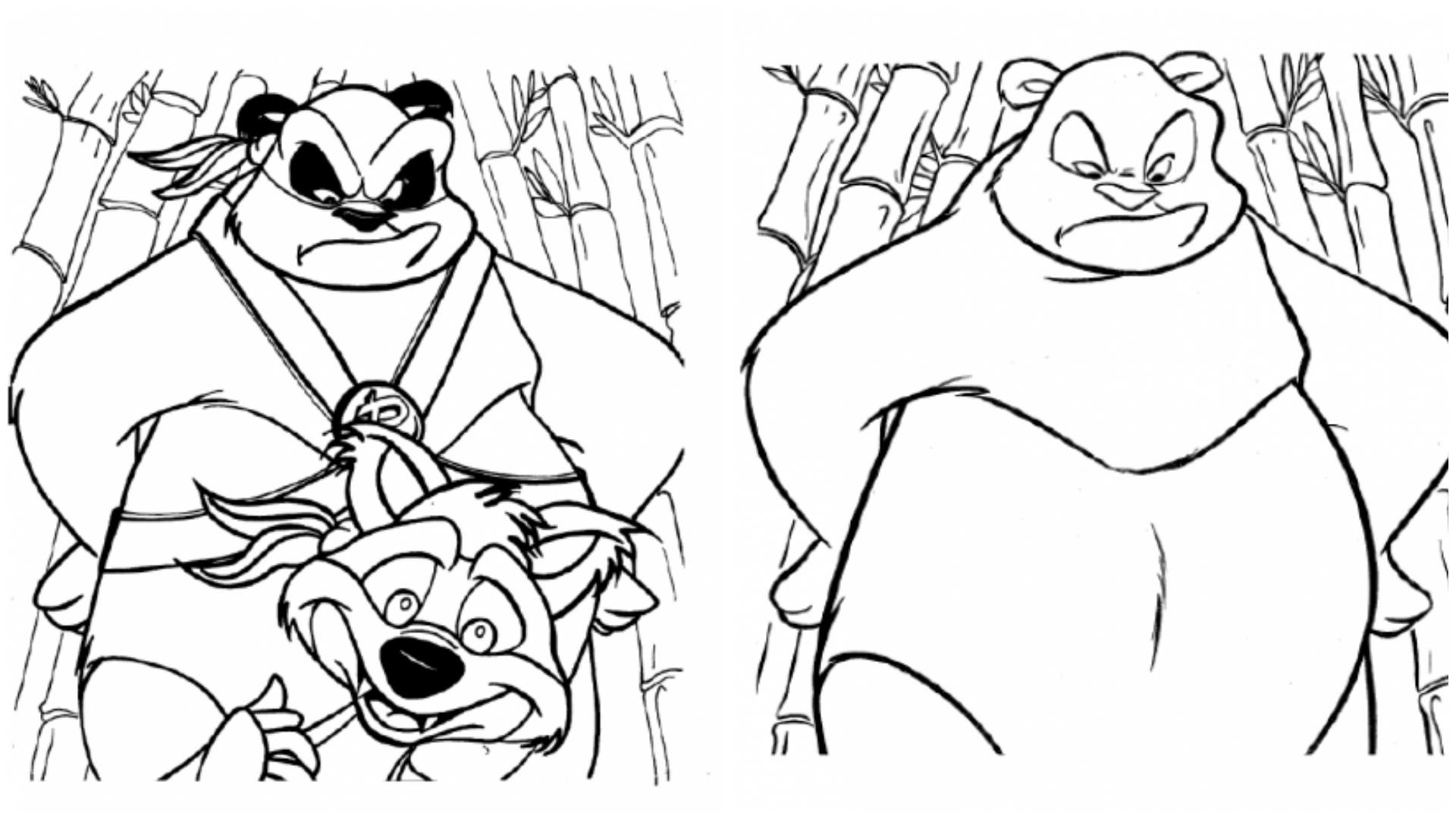
Following the discovery by DreamWorks, Gordon agreed to dismiss his lawsuit. By that point, DreamWorks spent $3 million over two years defending themselves, according to the U.S. Attorney's office.
Gordon faces up to 20 years in prison, three years of probation, a fine of $250,000, and restitution. He faces up to five years in prison, three years of probation, and a fine of $250,000 for the perjury fine.
Image and information in this article was provided by the U.S. Attorney's office.
Get more local news delivered straight to your inbox. Sign up for free Patch newsletters and alerts.