Health & Fitness
A Blessing or a Curse
I am continuously surprised by some of the similarities between Americans and Afghans.
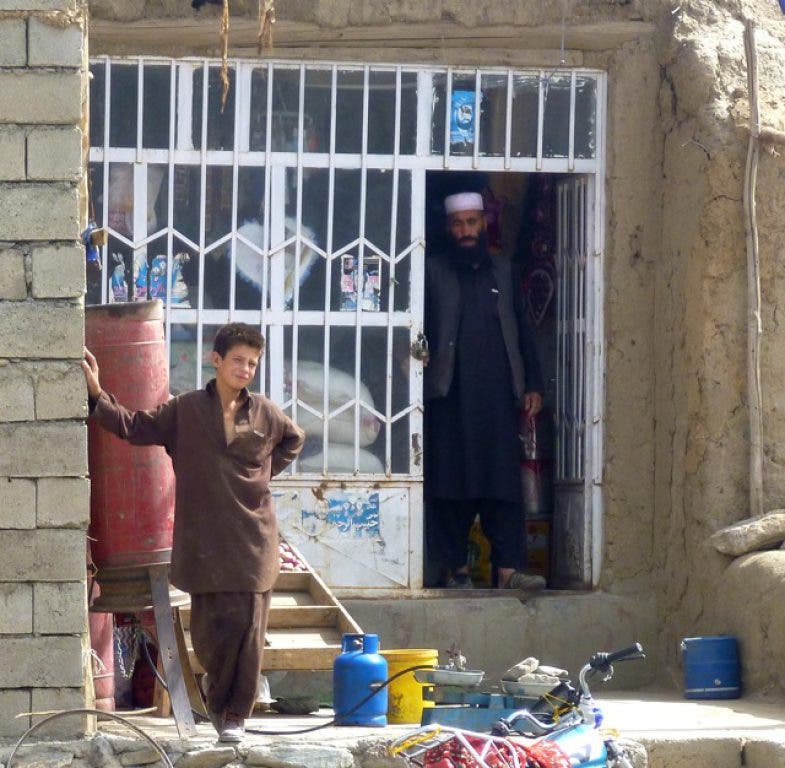

On a recent sunny day - they are all sunny days in Afghanistan - I traveled to a valley that is well known for its apple crop. Apple and apricot farming is a large part of the agriculture here in Afghanistan. These crops are locally grown and consumed, and much of the crop is exported to other provinces and other countries. I am excited about harvest time as fresh apples are one of my favorite foods.
My trip to the orchards was a hike through a bazaar and then onto trails that meandered through the orchards and the fields of the surrounding village. The bazaar in Afghanistan is the equivalent of a strip mall in the states, just a bit more rustic. This bazaar had a carpentry shop, a few fruit and vegetable shops, an auto repair shop and a number of smaller enterprises. The doctor was in as was the pharmacist, a bit shocking as it was to see the conditions in which they had to operate.
I had the opportunity to stop and talk with an elder of the village. It was a genuinely courteous meeting and he was happy to share his opinions and his thoughts about the village, the country and even his family. We spoke for over an hour and I learned a lot from him.
Find out what's happening in Sudburyfor free with the latest updates from Patch.
The elder and I spoke of our families at first when I asked about the population in the village. He said that it seemed to him the village population was changing, but that his family was growing too fast. He spoke very fondly of his wife with a huge smile as he told me a story of her cooking when they were first married and how much better it was today. I think many of us that are married have heard or told that same story before.
He was a proud father of nine and grandfather to many more, telling me how when his wife kept having children he went to his mullah (the local religious leader) and asked him what he could do to keep her from having more. The mullah told him, "Allah will bless you only with what you deserve." He laughed as he told me this story and said he didn't know if Allah was punishing him or blessing him. The sparkle in his eye and the jovial laugh convinced me that he truly believed he was blessed.
Find out what's happening in Sudburyfor free with the latest updates from Patch.
Our conversation turned to the government and the village, and his persona completely changed. Instead of leaning back, hands across his large belly, laughing and smiling when he was talking about his family, he leaned forward, his hands directed towards me and his eyes squinted and opened to emphasize his points. He was livid the government was taking so much money from the people.
"What right do they have to keep the money that the people need?"
It was obvious that his idea of big government meant the people in his village went hungry or without jobs. He didn't believe the government was doing anything to help them, no matter how many times they talked with their government officials. His voice was cold and stern as he talked of water problems, lack of health care, schools in disrepair.
We turned our conversation back to happier thoughts as we talked about the apples in the area. I mentioned how much I enjoyed fall back in New England and that apple harvest was one of my favorite times of year. He invited me back to help pick the apples with a smile and said that I could help keep the children from eating all the apples they pick instead of putting them in the basket like they were supposed to. His smile and laugh meant we were back on a happier topic.
The elder was concerned about the crop as there were some problems on the village farms. Water was a bit more scarce this year and some of the trees seemed to be dying. We talked for a while of how to manage apple trees, that they have a short number of years of productivity and then they need to be harvested and new trees planted in a regular, planned cycle. He knew there was a cycle, but he wasn't sure what it was, they had always just guessed. I promised to put him in touch with some people that would help him understand better.
Part of the mission here in Afghanistan is to help promote sustainability. The Afghans rarely think beyond next month or next year, let alone five or 10 years from now. The apple orchards are a good example. Historically, they have waited until after they have a sign about the productivity of the apple crop before cutting the trees down and planting new ones. They don't think proactively and plan for when that will likely happen and they end up in a situation where they might wait too long to take action. That impacts their ability to sustain a crop long term because it literally becomes feast or famine.
When we engage our agriculture teams with the local farmers, we are able to promote good harvesting techniques, reliable land management for farming and even how best to conserve the limited water they have access to. We want to help the Afghans realize their potential in farming and as important as sustainability, move them from sustenance farming to surplus farming. They already enjoy some surplus in their apple crop in the years where they have a good harvest. If they could improve their farming they would increase their ability to sustain that surplus year over year and provide financially for their families every year, not just the years when the crop is good.
The meeting ending cordially and I thanked the elder for his time. It is still a wonder to listen and see the similarities between their culture and ours. The worries of big government, the middle man always taking his piece, the love of family and friends. Not everyone in Afghanistan wants to share this much, but it's always a great experience when they do.