Health & Fitness
Forgive and Forget
Sometimes forgiveness or reconciliation can take generations in Afghanistan.
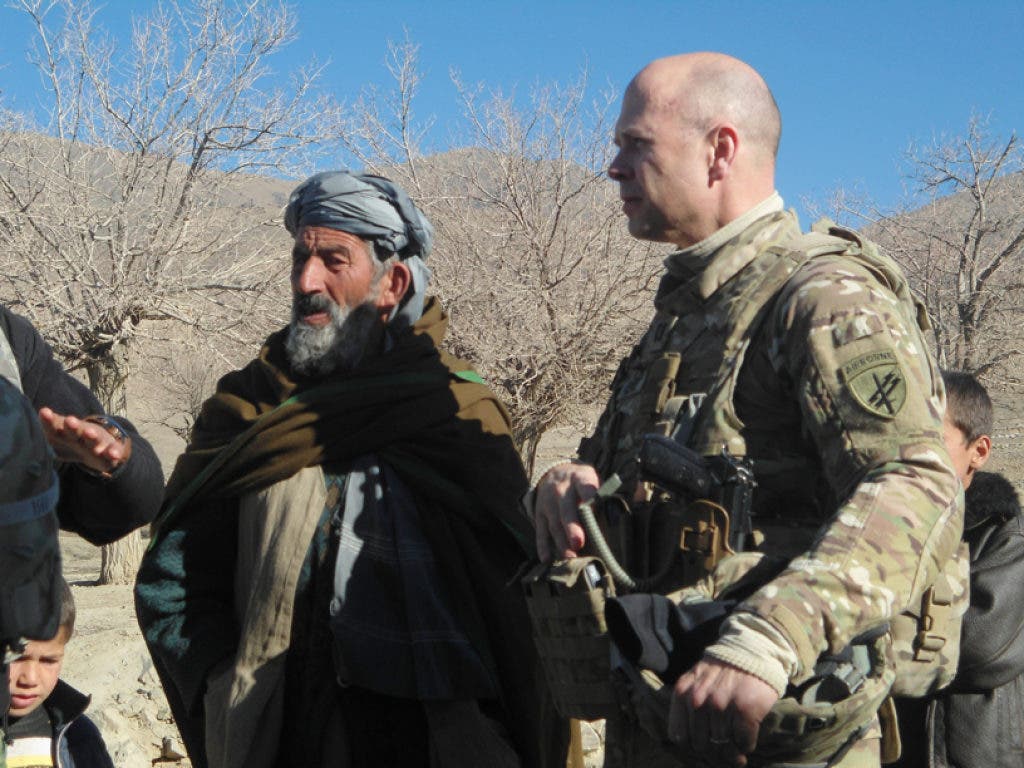
Growing up I was taught to forgive and forget. Those that know me best understand all too well that this has always been difficult for me. It's not so much the forgive part, but the forgetting. It's a constant effort to ensure that I don't allow my mind to over analyze or self deprecate about things that have happened in the past. Forgiveness given and received should relegated to the unused recesses of our minds so that past transgressions don't consume the present.
Afghanistan has a completely different philosophy when it comes to transgressions that may deserve forgiveness. A man who has been crossed will often harbor ill will, as will his son, and his, and so on. When I travel among the local populace I will often encounter an elder who has a story to tell. Many times this story is about something that is troubling him or his family. A goat that was stolen by a fellow villager's grandfather from his grandfather thirty years ago is still a raw wound, a great grandfather who repudiated another man's daughter after years of marriage can lead to decades of fighting. Many of these conflicts make the Hatfields and McCoys appear to be merely quibbling siblings.
The history of conflicts between people and families runs deep here in Afghanistan. The conflict can lead to assaults, rapes, and murders. There is seemingly no limit to the extent a family will seek badal, the Pashtunwali word for "justice." What is interesting, however, is that when we attempt to help mediate the decades old troubles, there is an element of forgetfulness if not forgiveness.
A recent opportunity to work with two village elders to resolve a water resource issue was ultimately determined to be due to a land dispute that had been going on for half a century. Afghanistan has no land records that are credible so there is no way to objectively determine where land boundaries are.
We took the time to talk with the elders to find the root cause and went through years of family scorn, killing of livestock and other heinous acts. But most flustering was that in the end, neither of the men could point to the original reason why the dispute arose other than it was a dispute over who owned what land, but even then they couldn't say exactly what land. They had forgotten the root cause.
Qur'an verse 24:22 says, "They should rather pardon and overlook. Would you not love Allah to forgive you?" Sounds very familiar to forgive and forget. I have to be extremely cautious about quoting the Qur'an here in Afghanistan, many Muslims would be deeply offended if they knew that I've studied the Qur'an and the Hadith. Yet still I try to casually ask them what they felt about Allah's forgiveness and sometimes, though less often than I would like, it helps forward the debate between the conflicted parties.
The Afghan populace must learn to forgive and forget, or at least forgive and move on. Harboring decades - or even centuries - of discontent will only continue to lead to violence. When the NATO security presence leaves, the country will be left with resolving its own conflicts. What better time to embrace the words of the Qur'an, pardon and overlook the past in order to build a new and prosperous future.