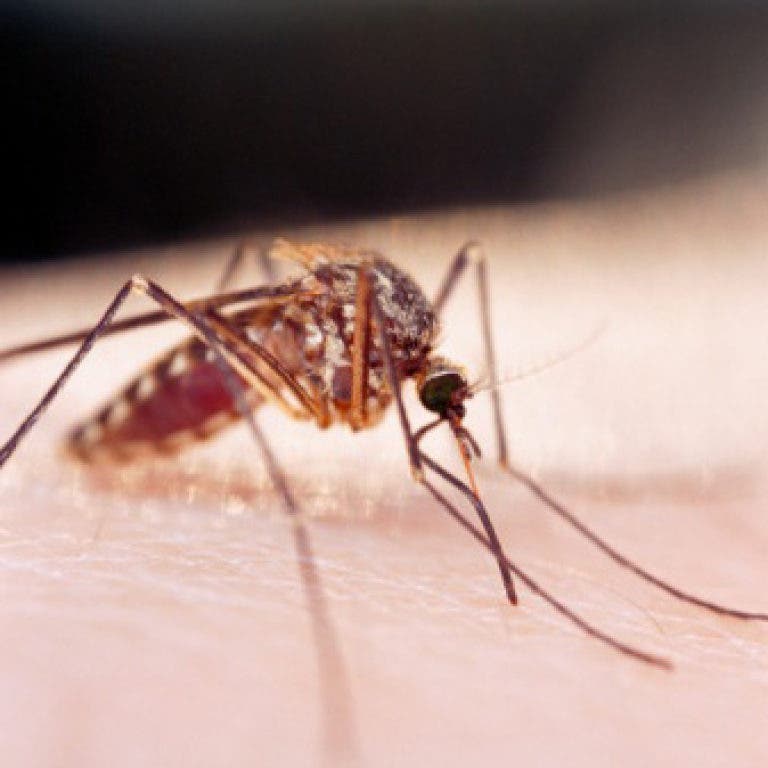
Current risk level for mosquito-borne illness indicates that Swampscott is
a low-level risk. However, risk levels can change weekly due to factors such as weather, recent findings of virus and estimates of mosquito population levels.
All residents, regardless of location, are urged to continue taking personal precautions to protect against mosquito-borne illnesses. These include
using insect repellent, covering exposed skin when outside, and avoiding
outdoor activities between the hours of dusk and dawn, when mosquitoes are most active. Repellents that contain DEET work very well against mosquitoes. A
number of "natural" products are available for use as mosquito repellents, but tests show that most of these products do not provide the same level of protection or work as long. The exception is oil of lemon eucalyptus.
Keep mosquitoes out of your house by making sure screens are repaired and are tightly attached to doors and windows. And prevent mosquitoes from breeding by removing standing water around your house from places like children’s toys, recycle bins, and flower pots. Mosquitoes can begin to grow in any puddle or standing water that lasts for more than four days.
Find out what's happening in Swampscottfor free with the latest updates from Patch.
Surveillance data from earlier this month found mosquitoes carrying West
Nile Virus (WNV) in Saugus and Peabody. Typically mosquitoes carrying WNV tend to breed in standing water. A mosquito in Topsfield was found to be carrying Eastern Equine Encephalitis (EEE) which is the more serious of the two viruses. The type of mosquito that carries EEE typically breeds in marshy areas.
Stay safe and remember mosquito season typically does not end until the
first frost of the year.