Schools
Brandeis Professor Wins Nobel Prize For Work On Biological Clocks
The Nobel Prize in Medicine has been awarded to three American scientists whose work revealed the mechanisms of an inner clock.


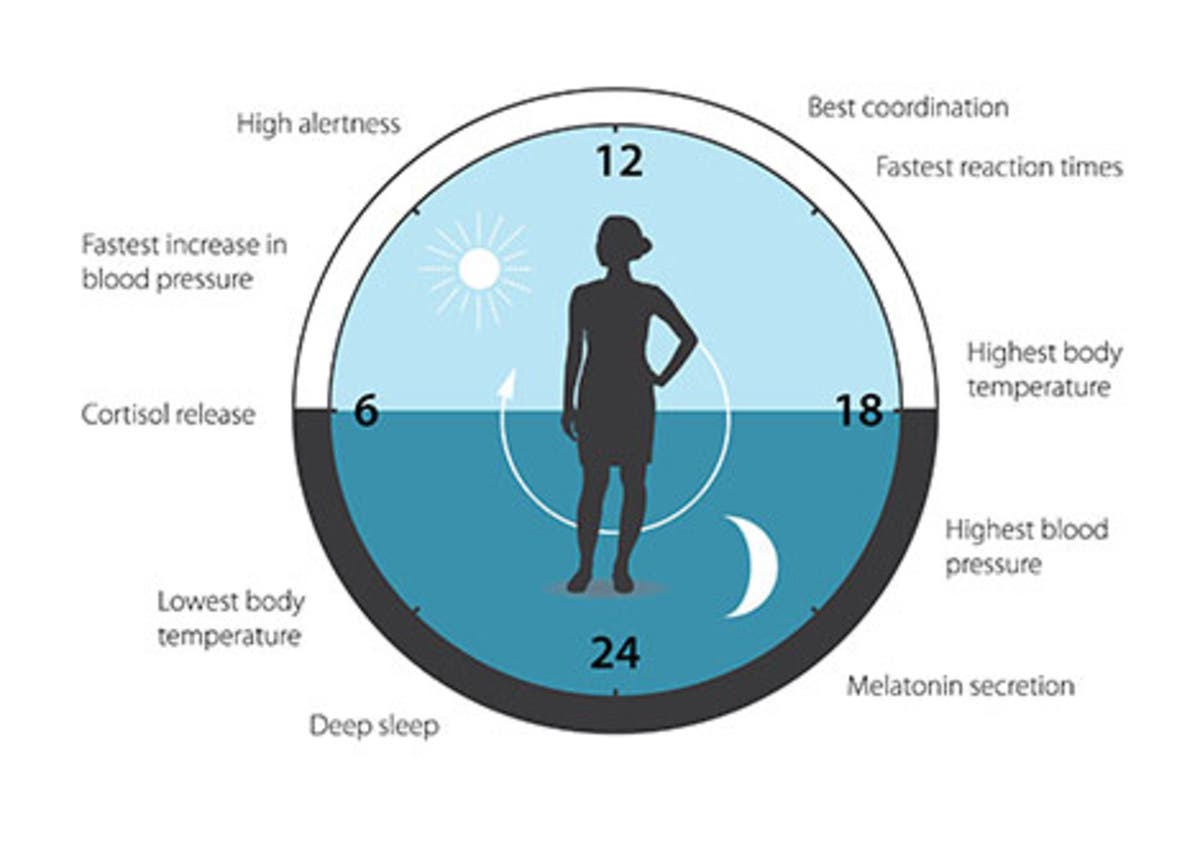

WALTHAM, MA — The Nobel Prize in Physiology or Medicine was awarded jointly to three scientists, including two current and former Brandeis professors in Waltham this morning.
Michael Rosbash, who is the Brandeis Peter Gruber Endowed chair in neuroscience, along with Professor Emeritus of Biology Jeffrey C. Hall both who worked at Brandeis for decades and collaborated with Michael Young of New York, received the 2017 Nobel Prize in Physiology or Medicine for their work on the molecular mechanisms that control circadian rhythm - which adapts the workings of the body to different phases of the day, influencing sleep, behavior, hormone levels, body temperature and metabolism.
"A phone call at 5:10 this morning destroyed my circadian rhythm by waking me up. I must have atoned really well on Yom Kippur," joked Rosbash at a Brandeis conference Monday morning, before praising Hall, his colleague.
Find out what's happening in Walthamfor free with the latest updates from Patch.
Watch: American Scientists Win Nobel Prize For 'Biological Clock' Research
The prize comes with a lot of recognition and $1.1 million.
Find out what's happening in Walthamfor free with the latest updates from Patch.
"I am stunned by this news," said Rosbash, who lives in Newton.
(For more information on this and other neighborhood stories, subscribe to Waltham Patch to receive daily newsletters and breaking news alerts.)
Using fruit flies as a model organism, the men isolated a gene that controls the normal daily biological rhythm. They showed that this gene encodes a protein that accumulates in the cell during the night, and is then degraded during the day, according to a press release. They then identified other protein components of this machinery, exposing the mechanism governing the self-sustaining clockwork inside the cell. We now recognize that biological clocks function by the same principles in cells of other multi cellular organisms, including humans.
Their research has the potential to have a great impact on human health because so much of the body is affected by circadian rhythm, tinkering with the mechanism could help ameliorate diabetes, impact aging and cancer as well as have a number of other health impacts down the road.
"The impact is not really been felt very much yet, because this mechanism is difficult to attack," said Rosbash. But, he said, "The reasoning for imagining promise around the corner, is the clock, the mechanism we discovered governs at least half of all gene expression in the human body. That's why .. [so much] falls under the umbrella of the broad rhythms of Circadian Rhythm."
"It's really a testament to fruit flies," said Rosbash.
BREAKING NEWS The 2017 #NobelPrize in Physiology or Medicine has been awarded to Jeffrey C. Hall, Michael Rosbash and Michael W. Young. pic.twitter.com/lbwrastcDN
— The Nobel Prize (@NobelPrize) October 2, 2017
Congratulations to our own Nobel Prize winning professor! We bet he doesn't mind that wake up call. #Brandeis https://t.co/Ntp1hMmdVV
— Brandeis University (@BrandeisU) October 2, 2017
Ronald D. Liebowitz, president of the university opened the press conference, which was packed with students and faculty with a moment of silence for the victims of the mass shooting in Las Vegas, before applauding Rosbash and Hall.
"We at Brandeis could not be prouder for our two Nobel winners," he said. He described Rosbash as probably the No.1 fan of the basketball team, someone who comes to school open houses and invites them inside his lab, an enthusiastic supporter of science.
The university's Lisa provost described Rosbash as someone who has always been generous to his colleagues, his students and described him as a wonderful mentor.
Leslie Griffith a colleague of Jeff Hall who now works in Maine, described his work on circadian rhythm and courtship is a template. For Jeff there was always a certain romance in the idea that there was a clock. The details of that clock was a bit of a daunting problem, she said, but "his partnership with Michael really made them an unbeatable team," she said.
The university had a party complete with champagne toast and one student asked Rosbash for advice.
He laughed, and told him he'd give the same advice he'd give to his children.
"Find your star, find something you love and go for it, whatever it is. .. go for what you love and not look back 30/40 years and say I never tried. You gotta try," he said.
(For more information on this and other neighborhood stories, subscribe to Waltham Patch to receive daily newsletters and breaking news alerts.)
- Some material from the AP was used in this report.
Images courtesy Nobel Prize Press Release
Get more local news delivered straight to your inbox. Sign up for free Patch newsletters and alerts.