Community Corner
Opioid Resource Night Every Month In Waltham
If you need support or know someone who does there are options, say Waltham's health officials.


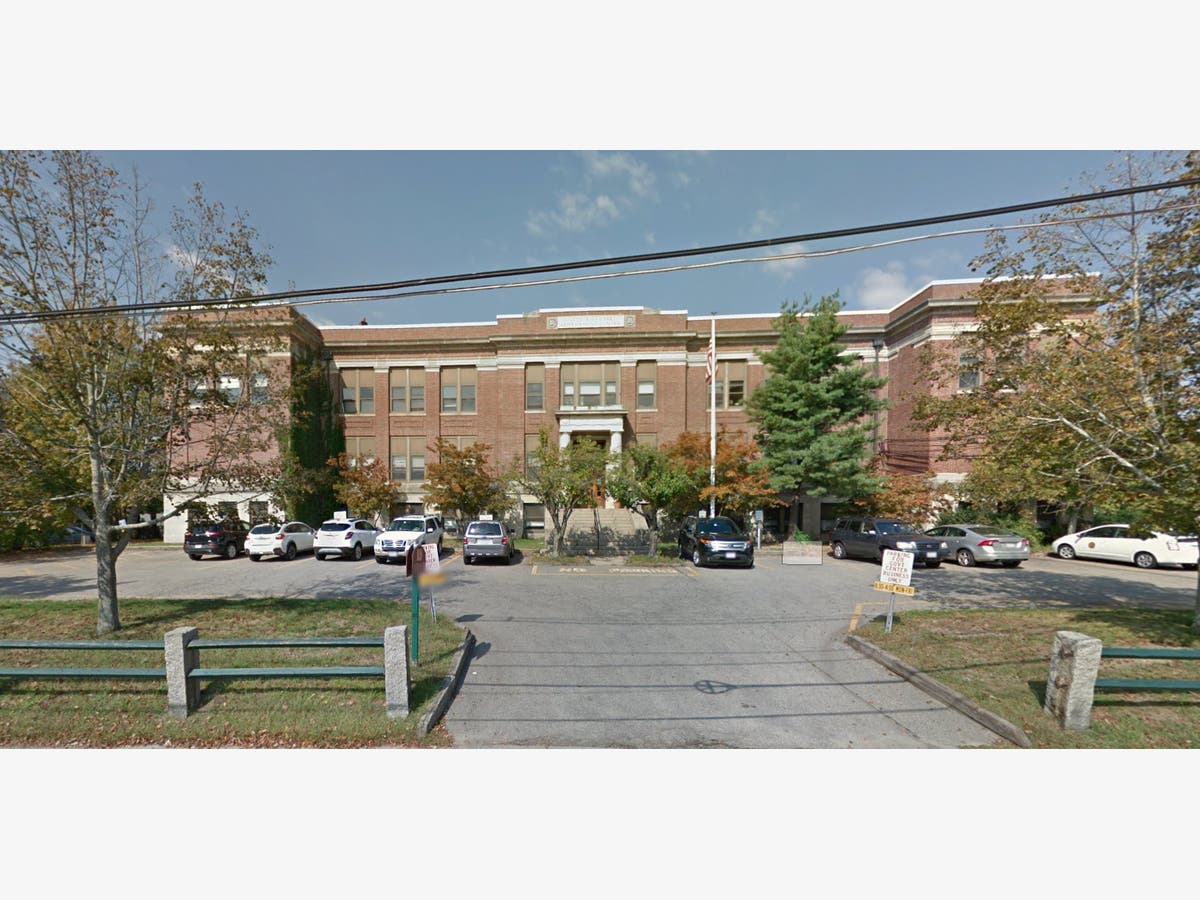
WALTHAM, MA — If you're looking to enter into recovery, know someone who struggles with a substance use disorder, or are looking to better understand the options and resources in our area, you're not alone. And there are options.
Each month in Waltham (the second Thursday of the month) there's a drop in event where folks can see just what those options are.
The next one? Tonight, Thursday Aug. 9 from 5-8 p.m. at Government Center (119 School St).
Find out what's happening in Walthamfor free with the latest updates from Patch.
Can't make this month's? The next one is scheduled for Sept. 13.
That is part of the Metro-Boston Project Outreach program. Waltham's Social Worker and Addiction Councilor Meaghan Ritcey was hired one year ago to try to make a difference in opioid deaths and addiction that Waltham sees too regularly, said Waltham Director of Public Health John Zuppe.
Find out what's happening in Walthamfor free with the latest updates from Patch.
Reminder - If you're looking to enter into recovery, know someone who struggles with a substance use disorder, or are looking to better understand the options and resources in our area, please come to a resource night tonight from 5-8PM at Government Center (119 School St): pic.twitter.com/J0MNCbgxOe
— City Of Waltham (@CityofWaltham) August 9, 2018
Ritcey, along Assistant Director Michelle Feeley and Police Sgt. J.P Brooks reached out to surrounding communities to create a collaborative now that collaborative is working to get resources to people who suffer from addiction and their family and friends.
The program is a collaboration of support agencies and Police Departments of Belmont, Lexington, Newton, Waltham, Watertown and Weston. It's a program modeled after neighboring county's Project Outreach.
The Plymouth County Project Outreach was started by Plymouth Police in December 2015 in partnership with area health professionals and treatment clinicians.
The goal? Amid the opioid use in the region offer help for men and women who survive overdoses through follow up visits and treatment. It also aimed to help those who weren't addicted but were affected by those who were, such as family members. It was so successful by the following year they were working to expand its reach to neighboring communities, according to its website.
The original project began as a response to what first responders were labeling a crisis long before it came on the national radar.
In 2000, the rate of opioid-related fatal overdose was 5.8 per 100,000 people in Massachusetts, according to Department of Public Health data. By 2015, there were 23.3 fatal overdoses for every 100,000 residents.
From 2013–2014, opioids accounted for more than a quarter of all fatalities in the 18–24 age group, according to the state website. For people aged 25 to 34, opioids were responsible for more than a third of all deaths. And it rose to more than 40 percent for men in this group. In 2015, roughly two out of every three people who died from opioids were younger than 45, according to the state.
(For more information on this and other neighborhood stories, subscribe to Waltham Patch to receive daily newsletters and breaking news alerts.)
Image via Google Maps Street View
Get more local news delivered straight to your inbox. Sign up for free Patch newsletters and alerts.