Crime & Safety
Narcan Costs Reduced in Mass.: Will It Affect Wayand?
Attorney General Maura Healey has made a $325K agreement with a Naloxone (generic Narcan) manufacturer.


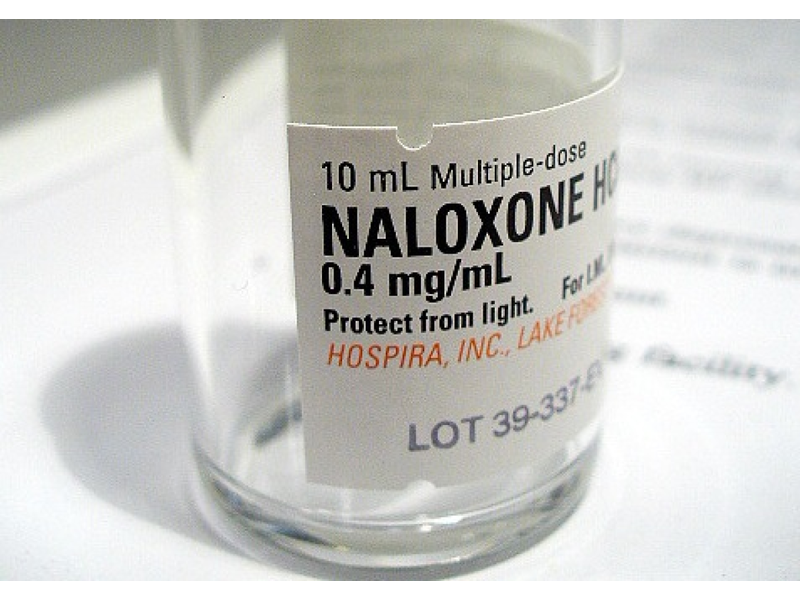
In an effort to make the life-saving drug Naloxone more widely available to police and firefighters statewide, Attorney General Maura Healey on Tuesday announced that her office has reached an agreement with Amphastar Pharmaceutical that will require the company to pay $325,000 to help offset the costs of the drug that counters the effects of opioid overdose, said an annoucement.
This is the first-of-its kind payment from this manufacturer to a state, and it will go directly into the Commonwealth’s Municipal Naloxone Bulk Purchase Trust Fund, approved in the state budget this past July to increase access to the nasal spray version of Naloxone through a discounted program.
“The Wayland Police Department does not currently carry Narcan,” said Police Chief Robert Irving. “However, our fire department does. We would consider implementing a policy to carry it in the future and cost certainly would be a factor.”
Find out what's happening in Waylandfor free with the latest updates from Patch.
Wayland Fire Chief David Houghton said that the department’s ambulances, as well as the duty officer’s vehicle and the engine at Station 2, are equipped with Narcan.
“Although I do not have an exact amount of times it has been used, I do know that we have,” said Chief Houghton. “If I had to guess, I would say six times. Cost is always a concern, so I welcome the relief.”
Find out what's happening in Waylandfor free with the latest updates from Patch.
“The demand for Narcan to help save the lives of overdose victims has risen sharply, and with that, so has the price, making it tough for police and fire departments to access this critical drug,” AG Healey said in a statement. “This money will help us get Narcan into the hands of every first responder, giving them a tool they need to help save lives.”
The agreement with California-based Amphastar resolves AG Healey’s concerns over the sharp price increase for Naloxone (which is the generic version of Narcan) in late 2014, when the wholesale price more than doubled from less than $15 per dose to more than $30, said the announcement.
Although the purchase price from distributors has varied between municipalities, some first responders report to the AG as having paid more than $65 for a single unit of the drug.
Former Gov. Deval Patrick declared opioid addiction a public health emergency in March, 2014.
Naloxone is a medication that reverses an overdose from heroin or other opioids. It cannot be used to get high and is not addictive.
The announcement comes as the world marks International Overdose Awareness Day. In Massachusetts last year, the heroin and opioid epidemic claimed the lives of more than 1,200 people.
Get more local news delivered straight to your inbox. Sign up for free Patch newsletters and alerts.