Crime & Safety
Practice Makes Perfect: Know the Fire Drill at Your House
Wayland Fire Department Capt. Dan Buentello offers some helpful tips for families during this National Fire Prevention week.


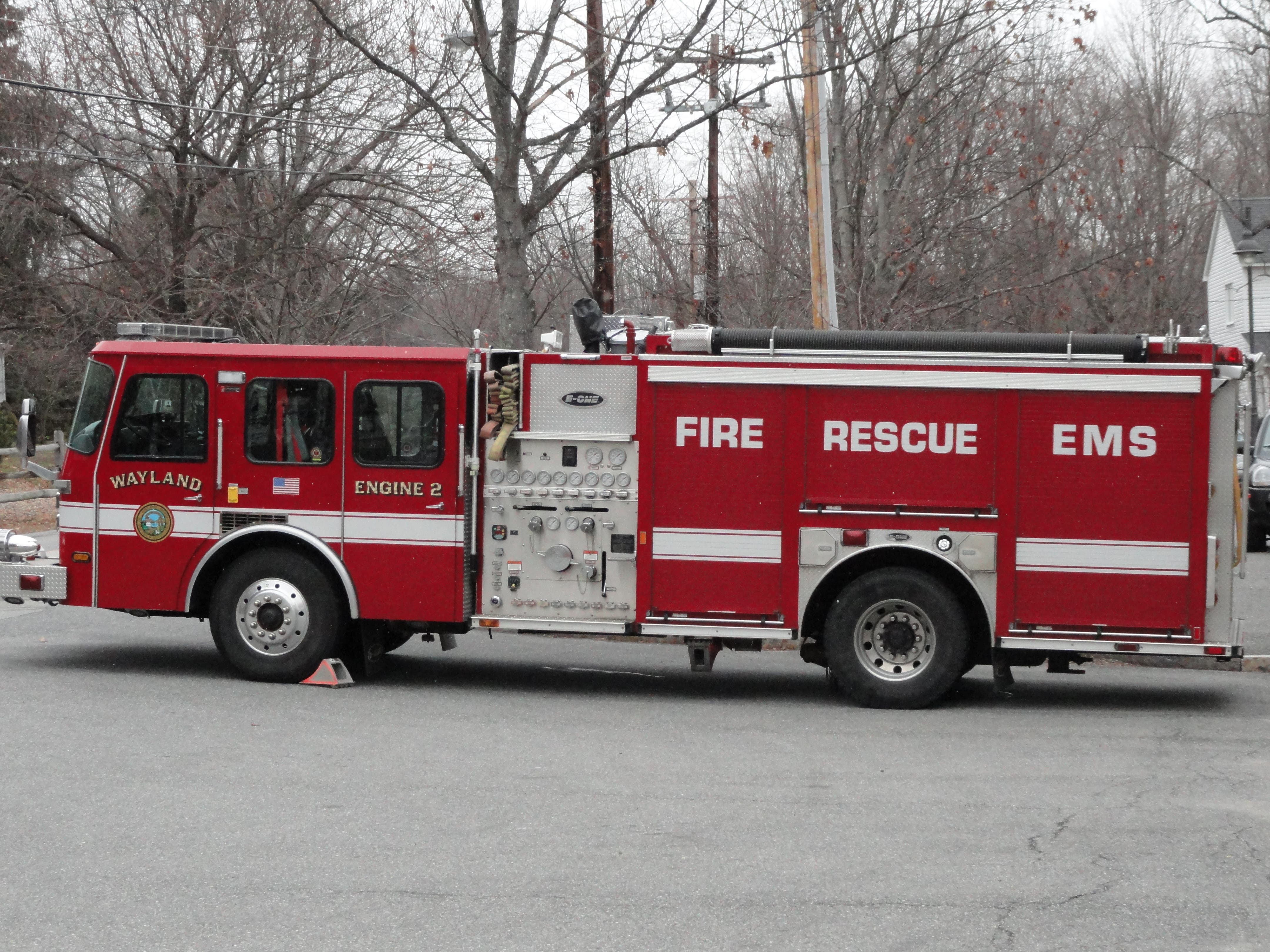
It’s Fire Prevention Week, which marks an opportunity to talk with your family about both preventing fire and also responding to one should it occur.
Capt. Dan Buentello serves as the Wayland FD’s public education coordinator as well as the coordinator for SAFE (Student Awareness of Fire Education). He said many elements of fire prevention and safety haven’t changed over the years – Yes, “stop, drop and roll” is still a go-to saying for smothering flames on clothing or your body – but he said that smoke detector technology has fortunately improved, which means more people now have time to get out of their houses should a fire start.
A smoke detector, however, is only as good as a family’s ability to respond when it warns you of smoke. For that reason, Buentello said, families should develop escape plans and then practice those plans on a regular basis.
He offered the following tips for keeping a household safe in case of fire:
- Maintain working smoke and carbon monoxide (CO) detectors in your home. Check the batteries regularly.
- Know how to use equipment, such as fire extinguishers, that you purchase. Read the instructions BEFORE you need to use it. Also, do not expect to be able to deploy fire ladders in the middle of the night in a smoky room.
- If you have a young child or person with a disability living in your home, register with your local fire department. When a fire call is received, firefighters are provided information about the location of the fire. If you’ve registered your home as one with a young child or a person with a disability, firefighters will be prepared to respond to that need when they arrive.
When it comes to planning an escape plan and conducting fire drills in your home:
- Every family member should know at least two exits from the home. If a hallway to the nearest door is blocked by flames, you’ll need a second option such as a bedroom window.
- If the exit is on the second story or higher of a home, do NOT jump. Instead, turn on the lights in the room and hang something (a sheet, towel or piece of clothing) out the window. Firefighters conduct a 360-degree perimeter assessment of a structure first thing when arriving at a fire. They will see a signal out a second-story window.
- Make "a family event" out of practicing your escape plan. The biggest mistake families make when it comes to fire safety, Buentello said, is not practicing their escape plans.
- Use the smoke detector when practicing your escape plan. Children who are unaccustomed to the sound of a smoke detector, Buentello said, have been known to sleep through it in studies.
- Conduct your fire drills at various times of the day. Don’t assume a fire will occur in bright daylight when everyone is awake and alert.
- Designate a place to meet outside of the home once everyone is out.
- Instruct children who happen to be with their younger siblings when the smoke alarm goes off – perhaps they share a bedroom – to not leave that younger sibling behind when exiting the house.
Additional information is available on the National Fire Protection Association website.
Find out what's happening in Waylandfor free with the latest updates from Patch.
Get more local news delivered straight to your inbox. Sign up for free Patch newsletters and alerts.