There has been some local discussion about a community program known as WaylandCares. Two big questions that continue to surface are what is it and how did it come to be? The best way to describe the program is through its history.
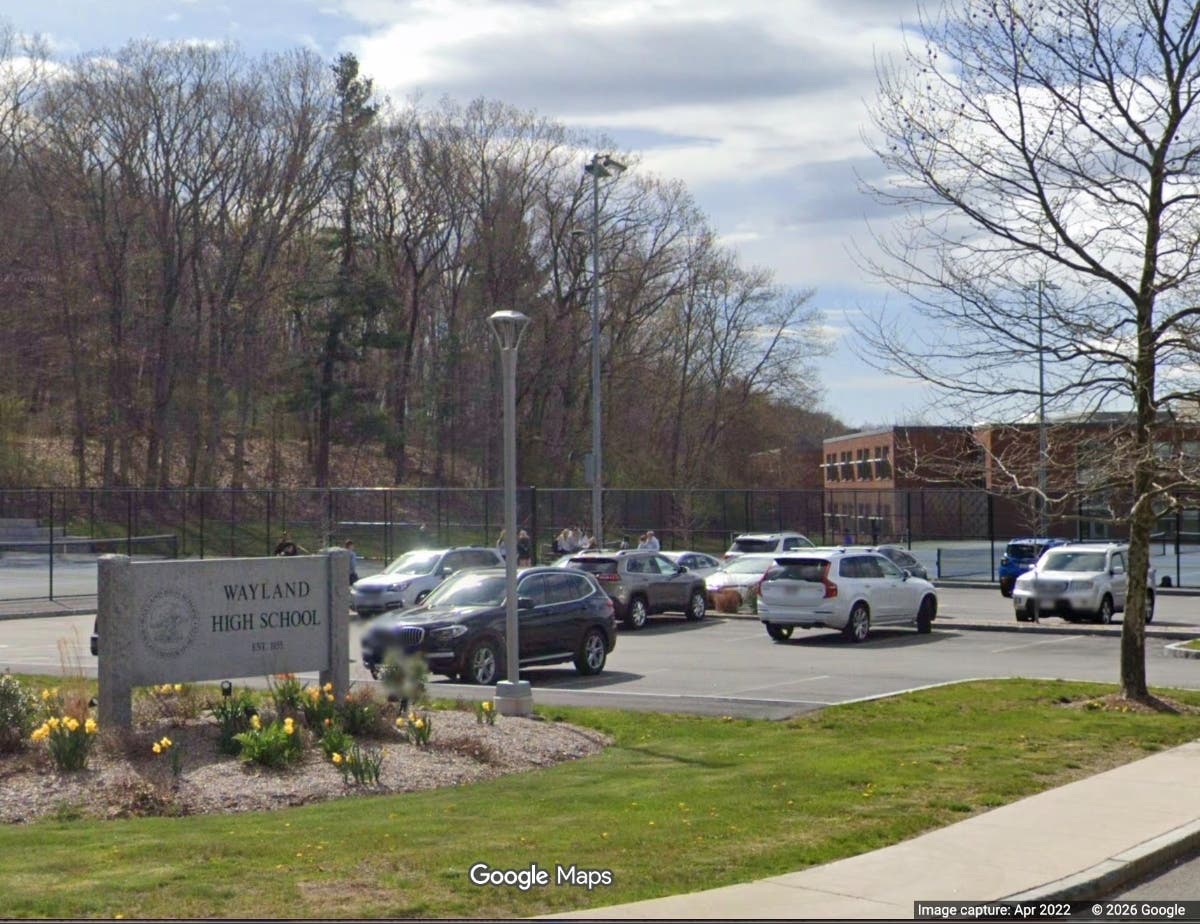
A series of three events in the Wayland community served as a catalyst for the founding and evolution of the coalition, now known as WaylandCares. In 1981, after two consecutive alcohol-related car crashes led to the deaths of three Wayland High School (WHS) students, a group of teens founded, under the direction of the school’s hockey coach, the first SADD chapter in the country (Students Against Driving Drunk, now known as Students Against Destructive Decisions). Wayland High School staff, administration, and parents formed a separate organization to complement the students' prevention efforts. This completely volunteer organization focused on school-based prevention strategies and operated for two and a half decades as the Wayland Substance Abuse Prevention Task Force. In June 2003, a high-profile, teen drunk-driving crash renewed efforts to examine what the schools and community were doing to address underage drinking and drug use. The task force, under the leadership of Wayland Public Schools (WPS), contracted Freedom for Chemical Dependency Educational Service, Inc. to conduct a community youth substance abuse assessment, which led to WPS securing a $230,000 Substance Abuse Prevention Grant from the MetroWest Health Care Foundation (MWHCF) in 2005. This funding enabled WPS to hire a prevention specialist to lead and coordinate all activities of the grant.
As a result of the work that was funded through the MWHCF, in 2008 the Coalition positioned itself for and was awarded a Federal Drug Free Communities (DFC) grant to address underage drinking and teen marijuana use. Wayland Public Schools served as the Coalition’s fiscal agent. This five-year grant enabled the community to rehire the prevention specialist and add a Program Coordinator. The first two years of this federal funding cycle were spent building capacity through organizational development and educating coalition members on prevention principles and best practices. The Coalition increased its understanding of evidence-based, environmental strategies. Members representing 12 sectors of the Wayland community learned how social norms, public policy and enforcement efforts can reduce youth substance abuse. Through this learning process, the Coalition effectively operationalized its work through the Strategic Prevention Framework, an evidence-based public health model.
During the second year of the DFC grant, the Director worked with members of a loosely formed Executive Committee (EC) to refine the internal and governing structure of the Coalition through the creation of bylaws that defined its purpose, procedures and policies, and its general membership and leadership structure. These bylaws formalized shifts in organizational structure and processes to capitalize on local resources and expedite the work of the Coalition. The bylaws included a new mission statement and a new name: WaylandCares. Members voted to change the organization’s name in recognition of the Coalition’s position as the unique central local entity charged with promoting healthy youth decision-making. WaylandCares was primed to engage community stakeholders and community resources to reduce youth substance abuse.
Today, the WaylandCares Executive Committee (EC) that formally governs the Coalition is made up of both elected and appointed officials. A Chairperson, Treasurer and Secretary are elected by the EC and serve a two-year term. The Superintendent of Schools, Chief of Police, the Health Department Director and Director of Wayland Youth and Family Services serve on the EC as appointed representatives of their respective organizations. The Chairperson of WaylandCares appoints up to six Members-at-Large.
What has been the outcome of all this funding and work? Trend data from the Metrowest Adolescent Health Survey shows that WaylandCares has experienced some measurable success with underage drinking. The percentage of WHS students who have used alcohol at some time in their life has dropped over ten percentage points (62% in 2006 to 49% in 2012). Current use is down over ten percentage points as well (39% in 2006 to 27% in 2012). While binge-drinking rates show a marked decrease (21% in 2006 to 13% in 2012), concern remains about this high risk behavior.
Regarding local teen marijuana use, results show that since 2006, and particularly since 2010, current use of marijuana has decreased from 22% to 14%. While this improvement is noteworthy, WaylandCares intends to continue to support marijuana education as the data also indicates the perception of harm of marijuana and perception of parent disapproval of marijuana use decreases substantially throughout the high school years.
In September 2013, the Federal DFC grant expired. Arrangements were made to stretch the final funds of the grant to March 2014 to finalize projects and close out the grant responsibly. A proposal has been developed through a community collaborative effort to house WaylandCares under Wayland Youth and Family Services, which goes to vote at Town Meeting next week.
If you would like to learn more about WaylandCares or contact the Coalition for further information, go to www.waylandcares.org
Written by Heidi Heilman
Heidi Heilman is the President of the Massachusetts Prevention Alliance. She served as the WaylandCares Director for 8 years. Ms. Heilman is a resident of Wayland.