Health & Fitness
FOOD for THOUGHT: It’s Raining Grains, or It Should Be
Learn interesting facts about and learn how to prepare barley, millet, quinoa, wheat berries, etc.
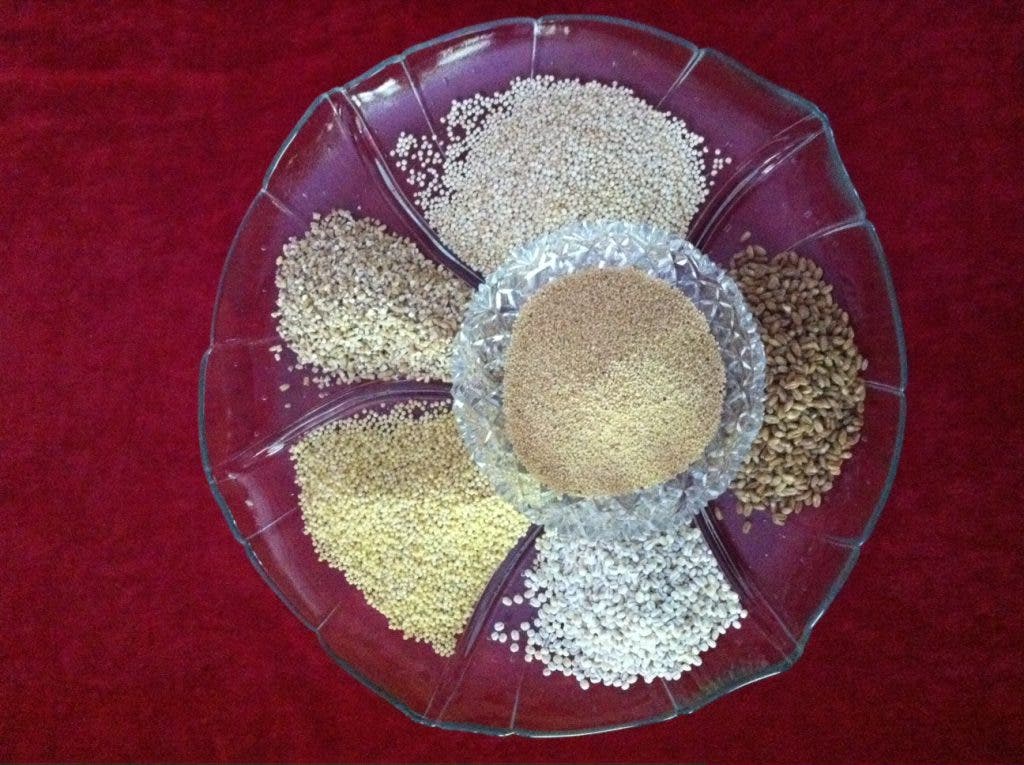
(Dietary changes should be discussed with a health care provider.)
Now that we are moving toward eating more whole foods – especially whole vegetables and fruits – let’s discuss a whole new category, namely, whole grains. Just to get familiar with them I’ll list a few of the ones that are re-becoming common (an * indicates the ones we will discuss this week):
Find out what's happening in Westfordfor free with the latest updates from Patch.
Amaranth is highest in protein.
Find out what's happening in Westfordfor free with the latest updates from Patch.
Barley may lower cholesterol more effectively than oats. *
Buckwheat, which is a cousin of rhubarb not of wheat, grows well without chemical pesticide.
Flaxseed & Chia Seed are not whole grains, though sometimes listed as such, but they are very good for you (with fiber, protein & omega-3); and to answer your question, yes, chia like a chia pet.
Millet might have the mildest flavor. *
Oats are another cholesterol lowering grain. *
Quinoa is a complete protein and cooks fairly quickly. *
Rice can be a whole grain IF it’s Brown Rice or Red Rice or most colors other than white.
Rye is highest in fiber and can be a whole grain, as can triticale, which is a cross between Rye & Wheat and grows well without pesticide.
Wheat is a whole grain in some forms such as bulgur (fastest cooking), durum, farro, (semolina is usually durum or farro), kamut, spelt and wheat berries. *
Wild Rice is actually a grass not a kind of rice.
NOTE: Wheat & rye products are unlikely to be whole grain unless listed as “whole” in the ingredient list. While the other grains on this list can be refined, they are far less likely to be. Also, try to avoid "pearled" grains as some of the exterior fiber has been polished off -- so technically they are no longer whole.
Unlike vegetables – which you can cook (or not cook) just about any way you know how, just listing these grains is not likely to help you start eating them. So, here is a grain cooking primer with water ratios, cooking times and cooking methods.
There are basically four ways to cook grains: the pasta method (add grain to boiling water for some amount of time and then drain), the rice method (boil grain along with water, then simmer, covered, for some amount of time and fluff), the risotto method (sauté grain in olive oil, then add boiled water in batches, stirring for some amount of time in between) and finally the oven method (combine boiled water and grain, then cover and bake for some amount of time). The following chart is handy to keep accessible in the kitchen:
GRAIN LIQUID/GRAIN RATIO METHOD TIME in MINUTES
Barley 3 to 1 risotto 20+
2 to 1 oven @ 350 60
Millet 2 ¼ to 1 rice 30
Oats Rolled 4 to 1 rice 5
Oats Steel Cut 4 to 1 rice 30-
Quinoa 2 to 1 rice 15-
2+ to 1 risotto 20
Wheat Berries a pot full pasta 45
3 to 1 oven @ 300 60+
NOTE: “Water” can be replaced with herb water or broth, or be a combination of water and another flavorful liquid.
I have made all of these, save, wheat berries in the oven. Liquid amounts and cooking times may vary slightly according to the temp. of your stove and more, according to your texture preferences (soft vs. al dente).
Barley is a great, chewy, flavorful, but not strong grain that is versatile enough to make a great risotto style recipe (like Arborio it creates a “creamy” sauce with no butter or dairy), to use in a cold salad and to stand up in soup without dissolving, bloating, or becoming slimy mush. It is also very inexpensive. Millet, I am told is a good one to start the kids on. I can see why as it looks and tastes like couscous – only drier. If your kids are used to their pasta cooked very soft, add a little extra water to millet when making it for them. On the other hand, millet’s dryness and mild flavor make it great for loafs and burgers. If you start oats when you start coffee in the morning – just before actually – and then turn them down just after, you can use the time that they cook to get dressed and ready and then have a hot hearty breakfast waiting for you. (NOTE: Oats get cooked uncovered despite the fact that they use the "rice" method.) Quinoa is one of the lightest fluffiest grains and has a hint of a nutty flavor. While all of these grains can be stand-alone sides, I think quinoa handles that role the best. Cooking it “risotto” style gives you more of a pilaf as it does not develop its own sauce. It can replace rice in any dish and pasta in pasta salads. If you don’t like it the first time around, try rinsing it before cooking it. This changes the flavor. In general though, while dry beans need rinsing and soaking before cooking, all that fuss it not necessary with whole grains as some think. Wheat berries are another, yummy, chewy grain that are just as good cold as hot. If you agree that stuffing is sometimes the best part of a Thanksgiving meal, look for my wheat-berry stuffing recipe in November – you can eat it as your main dish.
You’ll find the recipe in “TAKE it to the TABLE” which will start, in October, occasionally providing recipes/ideas that use the foods being encouraged in FOOD for THOUGHT. Also look for “SIDEBOARD” with extra information -- triggered by FOOD for THOUGHT topics/questions -- about life, the universe and everything :) .
CHALLENGE #10 of 50:
Try two new whole grains this week. (Remember, after a trial run, make double or triple batches and use the rest later in the week.)
QUOTE of the WEEK:
We can make a commitment to promote vegetables and fruits and whole grains on every part of every menu. We can make portion sizes smaller and emphasize quality over quantity. And we can help create a culture - imagine this - where our kids ask for healthy options instead of resisting them.
Michelle Obama