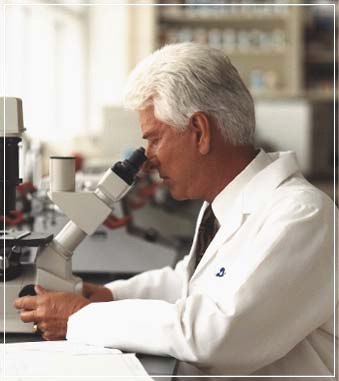
A recent clinical trial of adult type 2 diabetics found improved glycemic control and lower cholesterol levels among diabetics given Coenzyme Q10.
Previous research has demonstrated that oxidative stress and impaired antioxidant defense contribute to pathogenesis and progression of type 2 diabetes. It has also been shown that diabetic patients typically have reduced coenzyme Q10 levels.
In a recent study published in in the journal Minerva Gastroenterolica e Dietolgica, researchers compared the effect of coenzyme Q10 versus placebo on glycemic control and lipid profile in type 2 diabetic patients.
The study included 64 adults between the ages of 20 and 60 who had been diagnosed with type 2 diabetes. Participants received either 200 mg of CoEnzyme Q10 or a placebo daily for 12 weeks. Blood samples were collected at the beginning and the end of the trial and were analyzed for fasting glucose, hemoglobin A1C, and lipids.
No significant changes in measurements were seen in the placebo group, but serum hemoglobin A1C (a measure of long-term glucose control), total cholesterol and LDL cholesterol were reduced in the group taking the CoEnzyme Q10. No significant difference in fasting glucose, triglycerides or HDL cholesterol were seen in either group.
The blood glucose fluctuations that occur in diabetics increase potential free radical damage, which in turn may worsen diabetic complications. Since diabetics are typically low in CoEnzyme Q10 levels, the research suggests that supplementation may help restore normal antioxidant defenses and protect pancreatic beta cells from excessive oxidative damage.
Although more research is needed to confirm these results, this study suggests that 12 weeks of CoEnzyme Q10 supplementation may improve glycemic control, total cholesterol and LDL cholesterol in adult type 2 diabetics.
Did You Know?
Coenzyme Q10 is also an antioxidant? The highest levels are found in the heart, liver, kidney, and pancreas.
Find out what's happening in Wilmingtonfor free with the latest updates from Patch.
The information provided is strictly educational and not intended as medical advice. For diagnosis and treatment, consult your health care professional.

![Road Closed Due To Fire In Wilmington, Police Say [UPDATE]](https://patch.com/img/cdn20/users/22956225/20260518/080648/styles/patch_image/public/patch-graphics-news-alert-borden-2020___18080640311.jpg)