Schools
Speakers Offer Stocking Full of Tips to Lower Parents’ and Children’s Holiday Stress
Especially children with special needs.
Could “HO, HO, HO” translate to “Holiday Overload” for you and your children? Too much stimuli: sights, sounds, smells, tastes and even touch, in the form of too many holiday hugs and kisses. Too many expectations. Changes in routine. Too much stuff.
What can parents do to lower holiday stress for their children -- and themselves?
Two speakers offered a stocking full of tips Tuesday night for children and parents, especially children with special needs.
Find out what's happening in Woburnfor free with the latest updates from Patch.
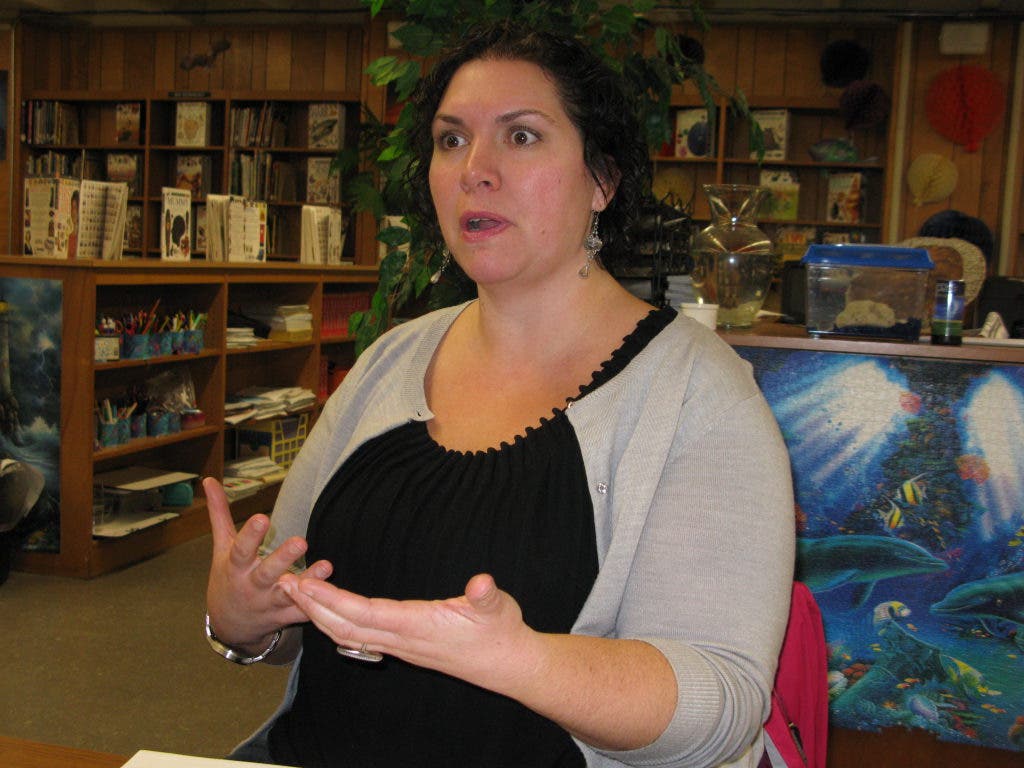
Bottom line, remember that holidays are about children, emphasized Meghan Chapman, co-chairman of the Woburn Special Education Parent Advisory Council, which sponsored the program. The tips presented by Chapman and Ann Mannino, a developmental psychologist from the Massachusetts Early Intervention Program, apply to all children, they said.
Do what works for your child, Mannino counseled.
Find out what's happening in Woburnfor free with the latest updates from Patch.
Consider the holiday a success, Chapman said, if your children are happy.
To get there, Mannino suggested that parents figure out what’s most important about the holidays. Meticulously baking and decorating cookies – or sitting down together to sample them?
Talk about your holiday expectations with your children, Mannino urged, and your feelings. Find out what’s most important to them. Let them know you’re as stressed as they are.
"Try," even though it’s hard for all of us, Mannino said, “to learn to say, ‘No’” to whatever doesn’t meet your priorities. That can be hard, participants agreed, with extended family, for example, who may have different expectations for your children.
Involve your child in the holidays, she suggested, whether it’s preparing, decorating or cooking.
Give them their own place where they can retreat if they need calm and quiet, whether you’re at home or visiting.
For parents, Mannino handed out a “Parents’ Christmas list.” It includes the gift of time: by babysitting, for example, or offering a sympathetic ear or even taking a friend’s child to school one morning – after dressing and feeding him.
Stay connected to other people. Keep up your good habits, such as exercise, but cut yourself some slack.
“Sometimes,” Mannino said, “it’s OK to feel sad or stressed or anxious.”
If you hit your boiling point, turn the tables on your children. Give yourself a time out.
Mom Janine McCarthy came to program, which she read about in Woburn Patch, she said, so she could learn how to feel less stressed. She has a medical condition, she said, that gets worse when she’s stressed. She was the only member of the audience to venture out in the rain to the workshop.
Handouts that cover how to deflate holiday stress are available from the Special Education Parent Advisory Council (woburnpac.org). The handouts include suggestions for toys best-suited for children with special needs, decorating ideas and even breathing techniques and guided relaxation for children with special needs.
McCarthy, the mother of a 12-year-old, said she learned to “breathe and relax” at the workshop. The presenters, plus Kerstin Lochrie, co-chairman, with Chapman, of the local Special Education Parent Advisory Council, and McCarthy, shared personal anecdotes and suggestions – Do’s and Don’ts – for dealing with the holidays.
“Don’t beat yourself up,” McCarthy concluded, “over not getting everything done” at the holidays. “Life goes on.”