Traffic & Transit
Cars Immune To Road Salt? Worcester Professor Working On It
A Worcester Polytechnic Institute professor is studying a new welding technique to elongate the lifespan of new cars.


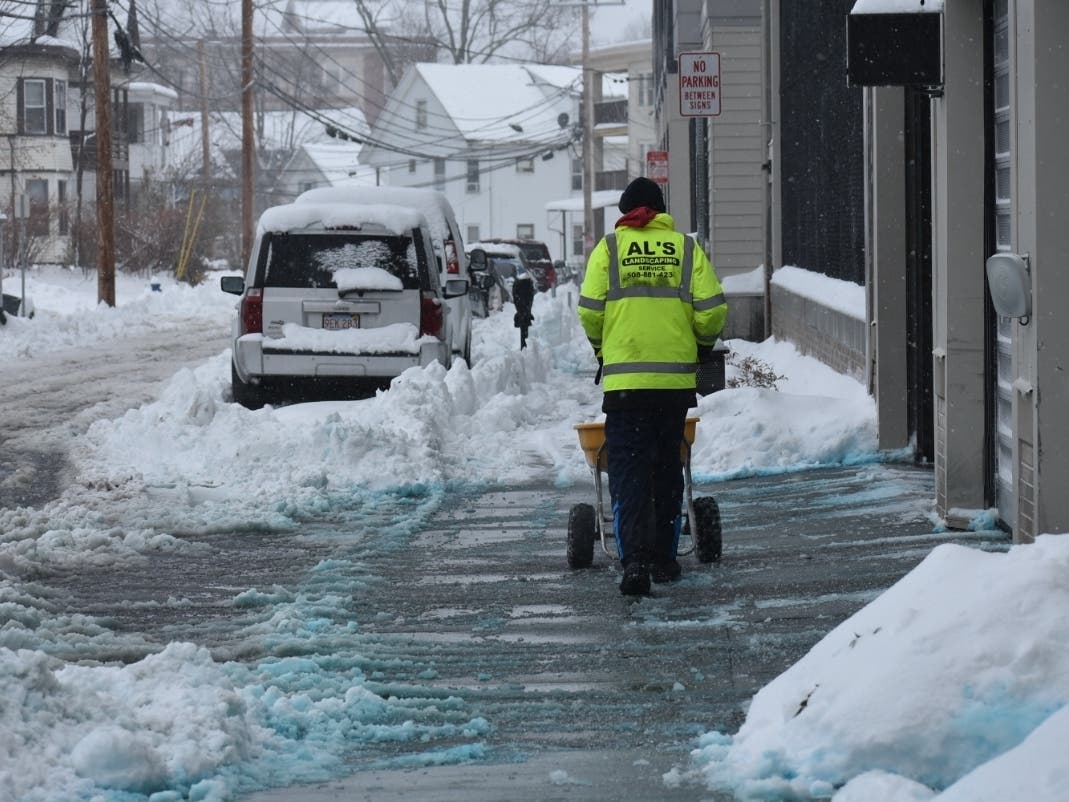
WORCESTER, MA — During the winter of 2017-2018, Massachusetts used about 455,000 tons of road salt, the highest of any New England state. All that salt may have made driving possible, but it also took a toll on cars, bridges, and anything else vulnerable to corrosion.
Now, one Worcester Polytechnic Institute professor and researchers at two national laboratories are studying whether a new welding technique could help cars and trucks resist salt corrosion.
WPI mechanical engineering professor Adam Powell recently got a $1.5 million grant from the U.S. Department of Energy, which will be shared with researchers at Oak Ridge National Laboratory, the Pacific Northwest National Laboratory, and auto supplier Magna International.
According to WPI, auto manufacturers want to produce lighter cars using metals like aluminum and magnesium. But welds between those two metals can be susceptible to salt corrosion. The research will focus on whether a welding technique called "friction stir welding" could help.
"We think that this process holds a lot of promise and could make a significant impact on energy use in motor vehicles without reducing the lifespan of a car," Powell said in a WPI bulletin about the research.
If new welding techniques can be developed, light cars with longer lifespans could mean an overall reduction in gas consumption, and better range for all-electric vehicles.
Unfortunately, the research likely won't help the millions of cars on New England roads today. Road salt chews through steel and other components, like brake lines. And although some Massachusetts towns are experimenting with road salt mixes, there's no alternative available yet.