Home & Garden
Invasive Pest Found Near Major MI Grape-Producing Area
Although the infestation was not found in a vineyard, officials are urging producers to remain vigilant and squish the pest.


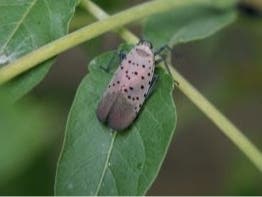
Michigan agriculture officials have identified a spotted lanternfly population in Berrien County, which is a major grape-producing region in the state.
Although the infestation was not found in a vineyard, officials are urging producers to remain vigilant and squish the pest.
While the pest does not kill plants, heavy infestations can can stress vegetation and cause damage to nearby crops.
Find out what's happening in Across Michiganfor free with the latest updates from Patch.
"Tree-of-heaven, grapevines and hops are among spotted lanternfly’s preferred hosts," MSU professor Rufus Isaacs said. "Growers should report any spotted lanternfly detections through the Michigan DNR’s Eyes in the Field tool or to their local MSU Extension office."
In addition to the Berrien County spotted lanternfly detection, a new population of spotted lanternfly was also recently confirmed in Washtenaw County, which borders counties with previously confirmed populations.
Find out what's happening in Across Michiganfor free with the latest updates from Patch.
As of September 2026, spotted lanternfly populations have been confirmed in Berrien, Jackson, Lenawee, Macomb, Monroe, Oakland, Washtenaw and Wayne counties.
What To Look For
Right now, the nymphs are black with white spots. But at any time now through September, they’ll take on the distinct red coloration and grow to about an inch long and one-half inch wide. In the adult stage, you may not see the flash of red until they take flight. While resting, the grayish forewings with black spots cover the colorful hindwings.
An adult female can lay a couple of egg masses, each containing 30 to 60 eggs, allowing populations to grow exponentially, so it’s important to kill them before they can establish another generation of the pests.
What To Do If You See Spotted Lanternfly In Counties With Known Infestations
- Squish it! You do not need to report the sighting. MDARD is already aware confirmed populations of spotted lanternfly in these counties.
- Focus pest management in areas where spotted lanternfly is most abundant. Traps or insecticidal soaps and oils can be effective and limit residual effects.
- Consider contacting a certified pesticide applicator for information about appropriate treatment methods if there is a large infestation on your property.
- Be diligent if you choose to apply pesticide yourself. Always follow the instructions on the pesticide label and wear appropriate personal protective equipment.
If You See Spotted Lanternfly In Any Other Michigan County:
- Take photos. Photos are necessary to verify a report and aid in identification.
- Provide details. Note the date, time and location of the sighting.
- Report it. Submit a report of your sighting online using the Eyes in the Field tool.
- Squish it!
Get more local news delivered straight to your inbox. Sign up for free Patch newsletters and alerts.