Politics & Government
MI Wolf Population Stabilizes, Moose Population Decreases
Even though the researchers' study on Isle Royale was cut short due to a warmer winter, they still compiled an interesting study.


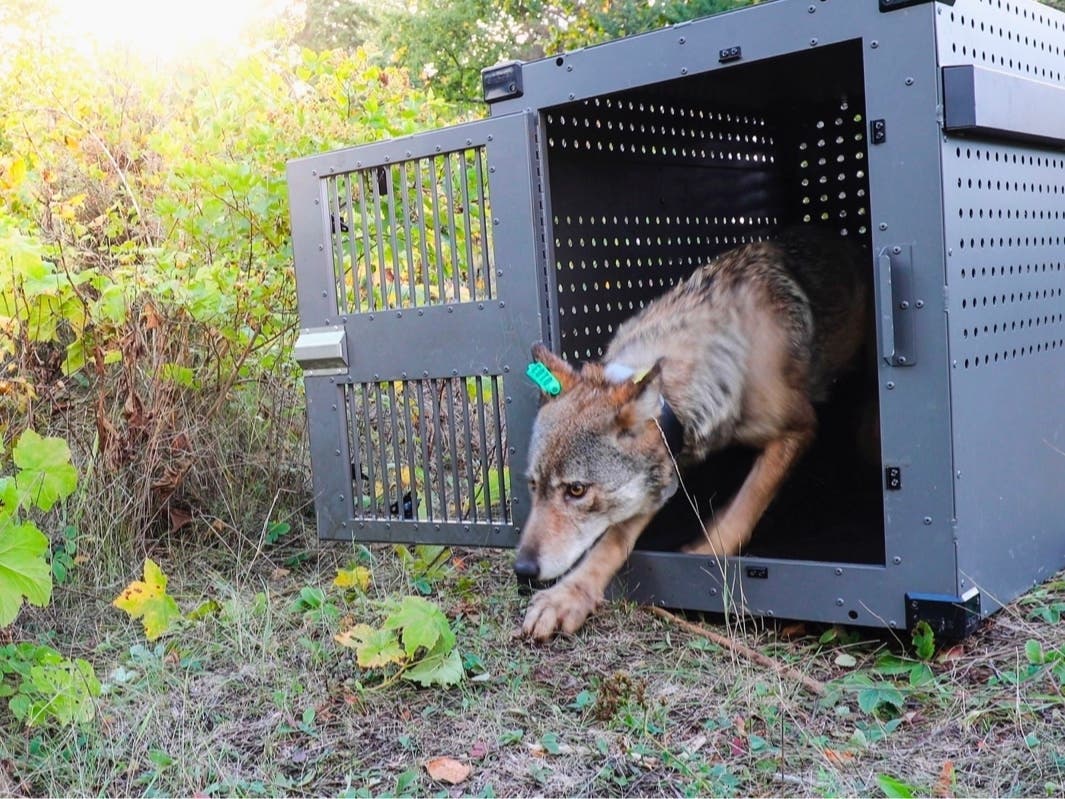
ISLE ROYALE, MI — A team of Michigan researchers found the state's moose population has decreased while the wolf population has stabilized on Isle Royale in the Upper Peninsula.
The researchers, led by a team at Michigan Tech University researchers, found that the wolf population stands at 30 animals, which is down from 31 animals last year but up from 28 in the winter of 2022. Moreover, the researchers believe the wolves have divided themselves into four packs, signaling the wolves have plenty of food.
On the other hand, the study showed Michigan's moose population at 840, down 14 percent from last year. Additionally, the state's moose population has declined by almost 60 percent since 2019.
Find out what's happening in Across Michiganfor free with the latest updates from Patch.
While the team believes wolf predation contributed to the decline in moose last year, they also believe part of the decline is due to malnutrition because of food shortages on the island. In other words, unchecked moose ate all the food on the island while the wolf population declined over the past few years. Moose can eat 30 to 40 pounds of vegetation daily
Researchers also found that moose are having fewer calves on the island, as less than 6 percent of the moose the researchers found on the island were less than winter calves. Although that's higher than last year's estimate of 2 percent, it's below the long-term average of 13 percent.
Find out what's happening in Across Michiganfor free with the latest updates from Patch.
The Associated Press contributed to this report
Get more local news delivered straight to your inbox. Sign up for free Patch newsletters and alerts.