Community Corner
Geminid Meteor Shower 2012: One to Watch
The most reliable meteor shower of the year, the Geminid, is on its way. Here are some tips for viewing the celestial show.


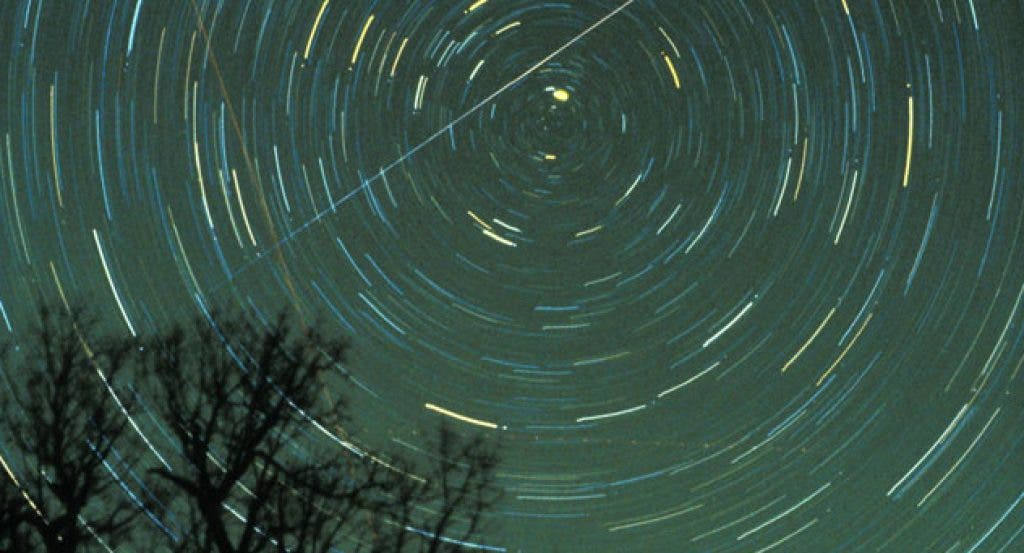
This time next week, the final, major meteor shower of the year – and likely the best – will be peaking. Get yourself a blanket and a clear view of the sky, because you could be in for a great show.
The Geminids are so named because they appear to emanate from the constellation, Gemini. Producing about 20 meteors per hour when first sighted in the 1830s, NASA reports the Geminids regularly spawn 80 to 120 meteors per hour at peak.
How spectacular is this event? Take a look at this video or some of these photos.
Find out what's happening in Huntington Woods-Berkleyfor free with the latest updates from Patch.
What are the Geminids?
The Geminids are a relatively young meteor shower that originated as pieces of debris from the celestial object 3200 Phaethon. Phaethon is the rocky skeleton of a comet that lost most of its outer covering of ice after too many close encounters with the sun. Scientists speculate it may be a chip from a nearby asteroid.
Find out what's happening in Huntington Woods-Berkleyfor free with the latest updates from Patch.
Most meteors meet Earth's atmosphere, burning up in a brilliant light show when the planet passes through the tail of a comet as its orbit nears Earth. The Geminids appear when Earth comes in contact with the particles associated with Phaethon.
Tips for best viewing
Earthsky.org reports the Geminids peak might be around 2 a.m. on Dec. 13 and 14, because that’s when the shower’s radiant point is highest in the sky as seen around the world.
"With no moon to ruin the show, 2012 presents a most favorable year for watching the grand finale of the meteor showers," Earthsky reports. "Best viewing of the Geminids will probably be from about 1 a.m. to 3 a.m. on December 14."
1. To best view the meteor shower, give your eyes time to dilate. Turn off any light sources, even flashlights, for at least 15 minutes before you gaze skyward.
2. Find an open field, school yard or even a rooftop – if you can reach it carefully.
3. Consider a blanket or reclining lawn chair, a thermos with a hot drink, binoculars for gazing along the pathway of the Milky Way, Earthsky says. Be sure to dress warmly.
Although astronomers have tried to publish exact predictions in recent years, meteor showers remain notoriously unpredictable. Your best bet is to go outside at the suggested time – and hope.
Get more local news delivered straight to your inbox. Sign up for free Patch newsletters and alerts.