Community Corner
Dearborn Celebrates First Neighborhood Added to National Register
The Springwells Park Neighborhood, "a gem" for the city, will be commemorated on Saturday, Oct. 3, for its inclusion on National Register.


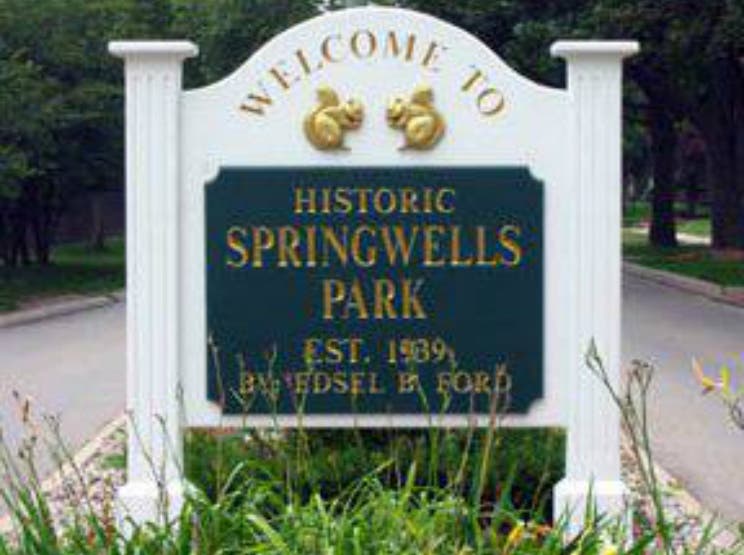
The Springwells Park Neighborhood, which dates back to the 1930s, will be commemorated Saturday for its inclusion on the National Register of Historic Places.
It is the first neighborhood in Dearborn to gain the designation, the city said in a news release.
Stay Connected
Find out what's happening in Dearbornfor free with the latest updates from Patch.
“Springwells Park is a gem in the city of Dearborn,” Mayor John O’Reilly Jr. said. “This designation recognizes the special character of this historic district and bolsters the reputation and value of the neighborhood and the surrounding area.”
Find out what's happening in Dearbornfor free with the latest updates from Patch.
The district was officially added to the Register on April 28, and joins numerous other pieces of American history in Dearborn, including the nearby Henry Ford Museum and Greenfield Village, which were added to the Register in 1969.
To gain inclusion, the Springwells Park Neighborhood Association demonstrated the following:
- The district is significant in community planning as an example of a subdivision designed in consultation with the FHA to meet the criteria outlined in the 1936 “Planning Neighborhoods for Small Houses.”
- The district is significant for its association with the Ford family as the neighborhood was subdivided and developed by the Ford Foundation, which was established by Henry and Edsel Ford.
- The neighborhood is distinguished by its curvilinear streets that follow the gently sloping terrain, numerous cul-desacs, mature trees throughout, and interior parks in the center of the blocks. The seven parks total almost nine and a half acres of land and each is slightly different.
- The buildings in the district include a shopping center, townhouses, terrace apartment houses, duplexes, and single-family houses all having Colonial Revival design elements, similar exterior materials, and a maximum height of two stories.
- Each individual house design is unique. Although they all comply with the strict guidelines of setbacks and restrictions, they all contribute to the positive effect of the curving streets and colonial, early American design.
- The deed restrictions have been in continuous enforcement since 1939, and are the major reason that the neighborhood has retained its character.
Get more local news delivered straight to your inbox. Sign up for free Patch newsletters and alerts.