There is an estimated 25 million Americans living with diabetes and many of them may not know it.
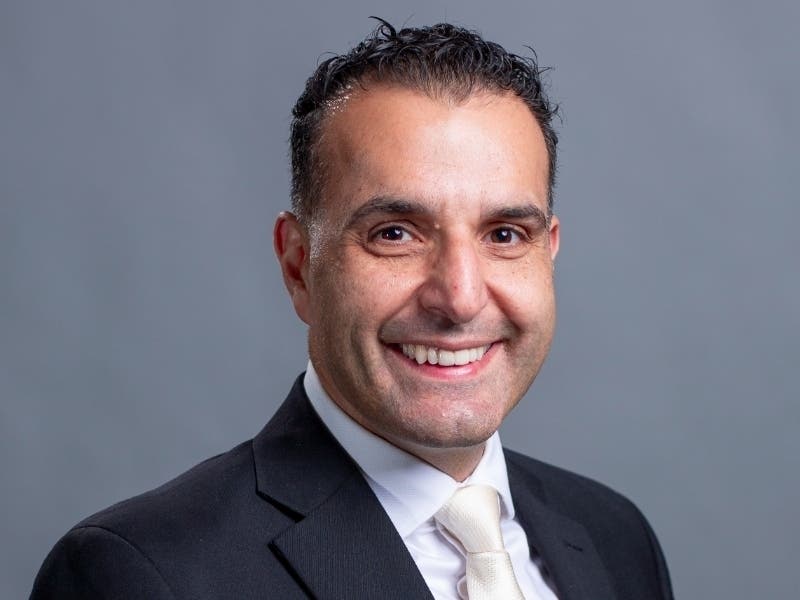
In the early, reversible, stages of the disease symptoms are not always present and, if they are, you may not recognize them for what they are or the danger they represent, according to Opada Alzohaili, MD, an Oakwood-affiliated endocrinologist and internal medicine specialist.
“You only get symptoms when your blood sugar is really high,” said Alzohaili.
Find out what's happening in Dearbornfor free with the latest updates from Patch.
Diabetes comes in two forms: Type 1, when the body does not produce any insulin, is typically diagnosed in children. Type 2 diabetes is caused by a variety of factors and makes up about 90 percent of the cases. Type 2 diabetes may produce insulin, but their body does not process sugars well.
“It’s more insulin-resistance,” said Alzohaili. “the pancreas is still working, it’s just not working enough.”
Find out what's happening in Dearbornfor free with the latest updates from Patch.
Symptoms of abnormally high blood sugar include needing to go to the bathroom frequently, being frequently thirsty, unexpected weight loss or weight gain, fatigue and dry skin.
Symptoms of low blood sugar—or hypoglycemia—which can be a symptom of pre-diabetes, include feeling dizzy, hungry and being sweaty.
Those symptoms alone don’t indicate the presence of diabetes, but if you have a family history of it you should have your blood sugar checked if you experience them—and the sooner, the better, Alzohaili said.
“If you wait until the signs or symptoms are there, it could be too late,” he said. “You want to prevent it from the beginning.”
There are some common misconceptions about Diabetes that may discourage people at risk for the disease from seeking treatment, according to Alzohaili. One common misconception about the disease is that it only affects people who are overweight. Alzohaili said that weight can be a factor, particularly when family history of diabetes is added to the equation, but that doesn’t mean that all overweight people are diabetic and all thin people are not.
“There are a lot of diabetics who are normal weight or underweight,” he said. “It’s genetics, particularly with Type 2 Diabetes. It doesn’t have to be your weight; it doesn’t have to be your eating habits. Genetics will catch up to you.”
It also depends on where your weight is distributed and the ratio between your fat and muscle mass. Generally, carrying a lot of extra weight around your middle will increase your risk of developing the disease, and if your muscle mass is higher than your fat mass, you are not at greater risk.
The key to managing and treating the disease is to catch it early and to be vigilant. Alzohaili said it’s important to eat throughout the day to avoid blood sugar spikes—he suggests a diet low in carbohydrates, low in fats and high in protein consumed in small increments every four hours. That type of diet provides other health benefits, too.
“If you have meals like this, small meals spread out over the course of a day, you will not have a problem with cholesterol, high sugar, heart disease or obesity,” he said.
Caught early, diabetes is treatable and even reversible, he said. Modern drugs that can help repair a damaged pancreas and get it producing enough insulin to properly manage blood sugar, as long as regular exercise and diet regimens are followed.
“The problem is that people wait until they have diabetes for years and they ignore it,” he said. “When the damage has already been done, It’s very difficult to cure.”
Long term affects include blindness, renal failure, loss of sensation in the hands and feet and even amputation.
“We don’t ask people to be treated for diabetes because we’re obsessed with numbers,” Alzohaili said. “We know these numbers can lead to complications. It’s very serious.”