Politics & Government
Wayne County Offers Free Radon Test Kits
Test kits are offered during National Radon Action Month. Exposure to radon is the second-leading cause, behind smoking, of lung cancer.


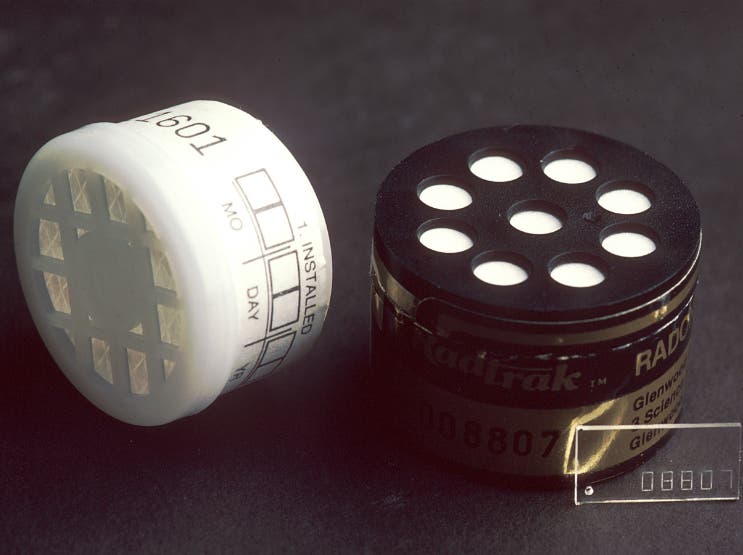
WAYNE COUNTY, MI – Wayne County has joined the list of Michigan counties offering free radon testing kits during January, National Radon Action Month.
To obtain a kit, simply stop by the Wayne County Health Administration Building, 33030 Van Born Road, in Wayne between the hours of 8 a.m. and 4 p.m. (the office is closed for lunch from 11:30 a.m. to 12:30 p.m.), Monday through Friday.
Visitors should enter the East Wing of the building (Venoy Road entrance). The phone number is (734) 727-7400.
Find out what's happening in Dearbornfor free with the latest updates from Patch.
“We are offering free testing kits because the only way to know whether your home has elevated radon levels is to test for it,” Dr. Mouhanad Hammami, Director of the department of Health, Veterans and Community Wellness, said in a statement. “Testing is best done in the winter months, when windows and doors are kept closed. If a high radon level is detected in your home, you can then take steps to correct the problem and protect your family.”
Radon is the leading cause in of lung cancer among nonsmokers. The U.S. Environmental Protection Agency estimates that as many as 21,000 lung cancer deaths a year are caused by radon.
Find out what's happening in Dearbornfor free with the latest updates from Patch.
The EPA says that levels of 4 picocuries per liter or higher are considered elevated and increase the risk of getting lung cancer. In Wayne County, the average radon level is 2.5 picocuries per liter in Wayne County.
However, Wayne County health officials say there is no “safe” radon level. As a general rule; the higher the radon level and the longer the exposure, the greater the health risk.
Radon is a naturally occurring radioactive gas that is tasteless, odorless, and colorless. It comes from the radioactive decay (breakdown) of radium and uranium in the earth.
It enters homes through openings in the foundation floor or walls; wherever the foundation is in contact with the soil. These openings can include sump crocks, crawlspaces, space around plumbing or wiring, floor/wall joints, cracks, or hollow block walls.
Get more local news delivered straight to your inbox. Sign up for free Patch newsletters and alerts.