Community Corner
1st Rabies, West Nile Virus Cases Reported In Michigan
A big brown bat tested positive for rabies, and three birds — a turkey and two crows — had West Nile Virus, Michigan officials say.


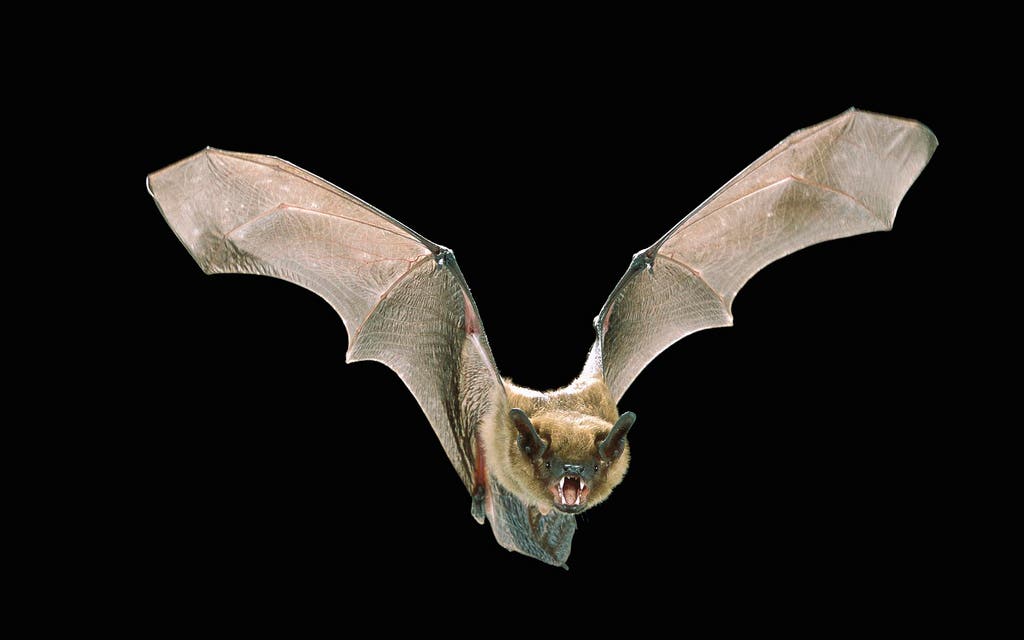
The first case of rabies and the first signs of West Nile Virus have been reported in Michigan, according to state officials. A big brown bat in the Lansing area tested positive for rabies, and at least three bids have been infected with mosquito-born West Nile Virus.
The infected big brown bat was found in Ingham County, according to a news release from the Michigan Department of Agricultural and Rural Development. This is the time of year when rabies is typically reported, officials said in a news release, and it serves as a good reminder for Michiganders to adopt practices that protect their families and animals from rabies.
The birds that tested positive for West Nile Virus included a turkey in Barry County, and two crows — one in Kalamazoo County and one in Saginaw County. Residents are reminded that the best way to protect against West Nile virus and other mosquito-borne illnesses is to prevent mosquito bites.
Find out what's happening in Detroitfor free with the latest updates from Patch.
More About Rabies
Rabies is a viral disease of mammals that is transmitted through the bite or scratch of an infected animal. Bats and skunks are the most common carriers of rabies in Michigan. In 2016, there were 41 cases of rabies in Michigan wildlife, consisting of 37 rabid bats and four rabid skunks.
Rabies is fatal to humans if not properly treated. Preventive treatment is given to people who are exposed to a potentially rabid animal and treatment is not necessary if an animal tests negative for rabies.
Find out what's happening in Detroitfor free with the latest updates from Patch.
Your pets and other domestic animals can be infected if they are bitten by a rabid wild animal. Instituting the following precautions can help protect your family and animals from rabies:
Animals
- Talk to your veterinarian about vaccinating domestic pets and livestock. Vaccination is important to protect your pet from rabies and it also provides a barrier of protection if a wild animal bites your pet.
- If your animal is bitten or scratched by a wild animal or if you believe there has been unsupervised contact with wildlife, contact your veterinarian as soon as possible. Even if your animal is currently vaccinated against rabies, additional actions may need to be taken to prevent the spread of the virus. If possible, safely confine or capture the wild animal without touching the animal and contact your local animal control officer, local health department or veterinarian, as the animal may need to be tested for rabies.
People
- People should avoid contact with wild animals. Do not keep wild animals as pets. Wild animals can carry rabies without showing clinical signs.
- If a wild animal appears sick, please report it online to the Department of Natural Resources online or at (517) 336-5030.
- If you are bitten or scratched by an animal, seek medical attention and alert the local health department. A directory of local public health departments is available at www.malph.org.
- If you find a bat in your home, safely confine or collect the bat if possible and contact your local health department to determine if it should be tested for rabies. More information on how to collect a bat safely can be found on the Centers for Disease Control and Prevention’s website.
- If you are unable or would prefer not to confine or collect the bat yourself, you may consider hiring a bat/wildlife removal service.
More About West Nile Virus
People who work in outdoor occupations or like to spend time outdoors are at increased risk for West Nile virus infection from mosquito bites. Adults 50 years old and older have the highest risk of severe illness caused by West Nile virus.
Symptoms of West Nile virus include a high fever, confusion, muscles weakness, and a severe headache. More serious complications include neurological illnesses, such as meningitis and encephalitis. Last year, there were 43 serious illnesses and three deaths related to West Nile virus in Michigan. Nationally, there were 2,038 human cases of the virus and 94 deaths reported to the Centers for Disease Control and Prevention.
“Everyone older than six months of age should use repellent outdoors,” said Dr. Eden Wells, chief medical executive of MDHHS. “It only takes one bite from an infected mosquito to cause a severe illness, so take extra care during peak mosquito-biting hours, which are dusk and dawn for the mosquitoes that transmit West Nile virus.”
Repellents containing DEET, picaridin, IR3535, and some oil of lemon eucalyptus and para-menthane-diol products provide longer-lasting protection. For both safety and effectiveness, repellents should be used according to the label instructions.
The mosquitoes that transmit West Nile virus may breed near people’s homes in storm drains, shallow ditches, retention ponds, and unused pools. They will readily come indoors to bite if window and door screens are not maintained. As summer temperatures rise, mosquitoes and the virus develop more quickly so it is important to protect yourself from mosquito bites as the weather warms.
The three West Nile virus positive birds were found sick or dead in early May and tested positive at Michigan State University this week. Birds are the natural animal reservoir for the virus and carry it in their blood.
Mosquitoes become infected when they bite an infected bird.
Most birds show no symptoms of infection, but certain bird species, such as crows, blue jays and ravens, are more sensitive to the virus and are more likely to become sick and die when they become infected with the virus.
“As with many wildlife diseases, vigilant observation and reporting from the public are critical in helping health and wildlife experts better understand and contain the transmission of West Nile Virus,” Dr. Kelly Straka, state wildlife veterinarian said in a news release. “We ask residents to contact us if they find sick or dead crows, blackbirds, owls or hawks, or any other bird exhibiting signs of illness.”
For information about West Nile virus activity in Michigan and to report sick or dead birds, click here. Additional information can be found here on the U.S. Centers for Disease Control and Protection website.
Photo by Angell Williams via Flickr Commons
Get more local news delivered straight to your inbox. Sign up for free Patch newsletters and alerts.