Seasonal & Holidays
The Absolute Worst Easter Gift You Can Possibly Give
Chicks and ducklings are cute, but they're better relegated to the barnyard than in your child's Easter basket.


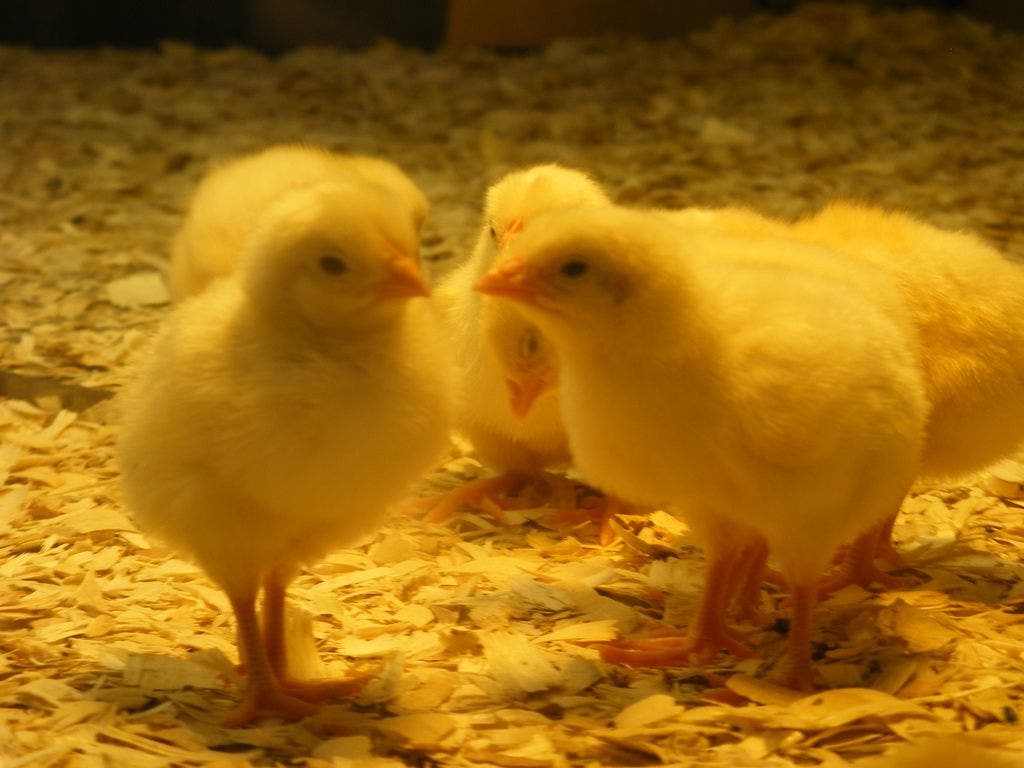
DETROIT, MI — Chicks, ducklings and rabbits were associated with fertility and new life in pagan times, and early Christians adopted the symbols as a reminder of the Resurrection They’ve been a cherished part of Easter celebrations since. But they make lousy — and in some cases, health-threatening – Easter gifts.
Chicks and other poultry are carriers of Salmonella, a bacteria found in poultry droppings that contaminates the birds’ feathers, feet and beaks, s well as their cages, coops, and the environment where they live and roam. During spring, live baby poultry are often displayed in stores in a way that children may be able to reach and touch the birds or areas where the birds are contained.
This is one way people become exposed to harmful bacteria that leads to illness. People may also obtain birds through the mail by placing an order directly with a hatchery that supplies baby birds to raise for food or as pets.
Find out what's happening in Detroitfor free with the latest updates from Patch.
“Even birds appearing cute, healthy, and clean can carry bacteria that can make people sick,” Dr. Eden Wells, the chief medical executive for the Michigan Department of Health and Human Services, said in a news release.
In 2016, there were nine nationwide outbreaks of Salmonella illness linked to contact with live poultry, causing illness in 911 people in 48 states, according to the U.S. Centers for Disease Control and Prevention. Michigan reported 55 cases, of which almost half — 45 percent — were in children.
Find out what's happening in Detroitfor free with the latest updates from Patch.
Frequent and vigorous hand-washing is advised when handling chicks and other poultry, but the best advice is just not to give them. But if you do, make sure you make special accommodations for them.
Baby poultry have special requirements for warmth and protection. Backyard flock owners may not be aware of the risk of Salmonella from baby poultry and consequently, may keep the birds inside their home. Potential poultry owners should plan ahead to provide a proper space that is safe for the birds and for the people in the household. To address this, backyard flock owners should give live poultry their own space to live, outside of the home.
People should follow these recommendations to protect themselves and others:
- Children younger than five years old, older adults or people with weak immune systems should not handle or touch chicks, ducklings or other poultry because they are more likely to become severely ill.
- Wash your hands thoroughly with soap and water after touching the birds or anything in their environment. Adults should supervise hand washing for young children.
- Use hand sanitizer until you can wash your hands thoroughly with soap and water.
- Always keep poultry away from areas where food or drink is prepared, served or stored, such as kitchens or outdoor patios.
- Do not kiss the chicks.
- Do not put anything to or touch your mouth, eat or drink after handling poultry.
- Do not keep live poultry inside the house where people live, eat or sleep.
- Do not give live baby poultry as gifts to young children.
Stay outdoors when cleaning any equipment associated with raising or caring for poultry, such as cages, feed, water containers and other materials.
For more information, visit the CDC website.
Salmonella can cause diarrhea, vomiting, fever and/or abdominal cramps lasting four to seven days or more. Salmonella infections can be especially serious for the very young, the very old, and those with weak immune systems.
Photo by Lorna Mitchell via Flickr Commons
Get more local news delivered straight to your inbox. Sign up for free Patch newsletters and alerts.