Health & Fitness
Ascension Providence Studies Radiation Free Heart Device Implants
Procedure limits radiation exposure to patients and health care workers
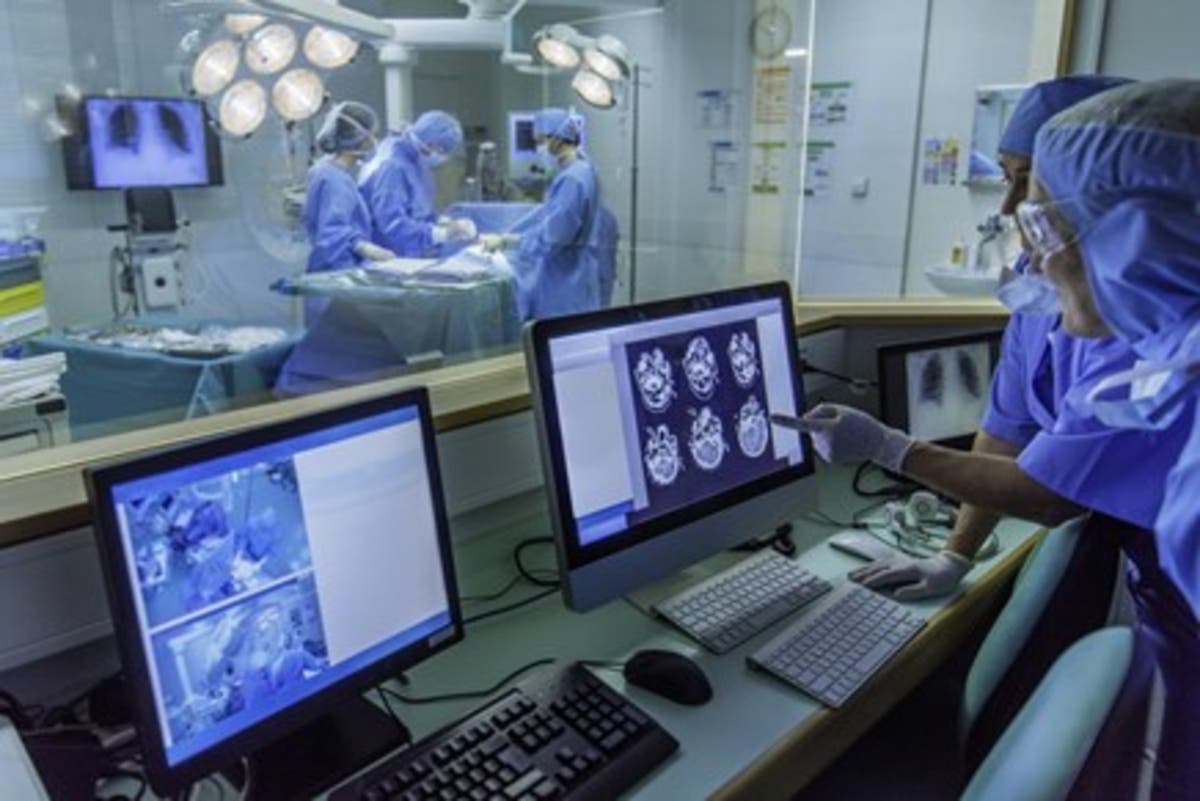
Using 3-D a mapping technique, heart devices can be successfully implanted without exposing patients and health care works to radiation, according to preliminary results of a study by doctors at Ascension Providence Hospital.
Lead by Christian Machado, M.D., director of electrophysiology at Ascension Providence, the heart care team implanted pacemakers or cardiac defibrillators in 21 patients using the guidance of a 3-D navigational system. The preliminary results of the study show that using the mapping technique employed in this study was safe and resulted in positive outcomes for patients.
The system collects electrical data from the heart and translates it into highly detailed, three-dimensional models and maps of the structures in the heart, allowing doctors to effectively diagnose and treat patients without the need for x-rays, which contain radiation.
Find out what's happening in Detroitfor free with the latest updates from Patch.
Conventional device implant procedures are performed using what’s known as fluoroscopy. This is a type of imaging that involves injecting patients with a contrast dye. An external X-ray beam is passed through the body and the images are transmitted to a monitor to provide doctors with a continuous X-ray image during the procedure. The radiation dose the patient receives varies depending on the individual procedure. In some cases, fluoroscopy can result in relatively high radiation doses, especially for complex interventional procedures.
“These preliminary results are very encouraging,” according to Dr. Machado. “Anytime we can avoid exposing our patients and staff to potentially harmful radiation it is a benefit.”
Find out what's happening in Detroitfor free with the latest updates from Patch.
The preliminary study results will be presented at the annual Michigan Chapter of the American College of Cardiology Conference scheduled for October 26-27 at the Detroit Marriott at the Renaissance Center.