Business & Tech
Egg Eaters Ante Up For Organic, But Little Changes At Factory Farms
"Why the hell am I paying more for this?" consumers may ask when they learn of small differences in organic and other factory egg farms.


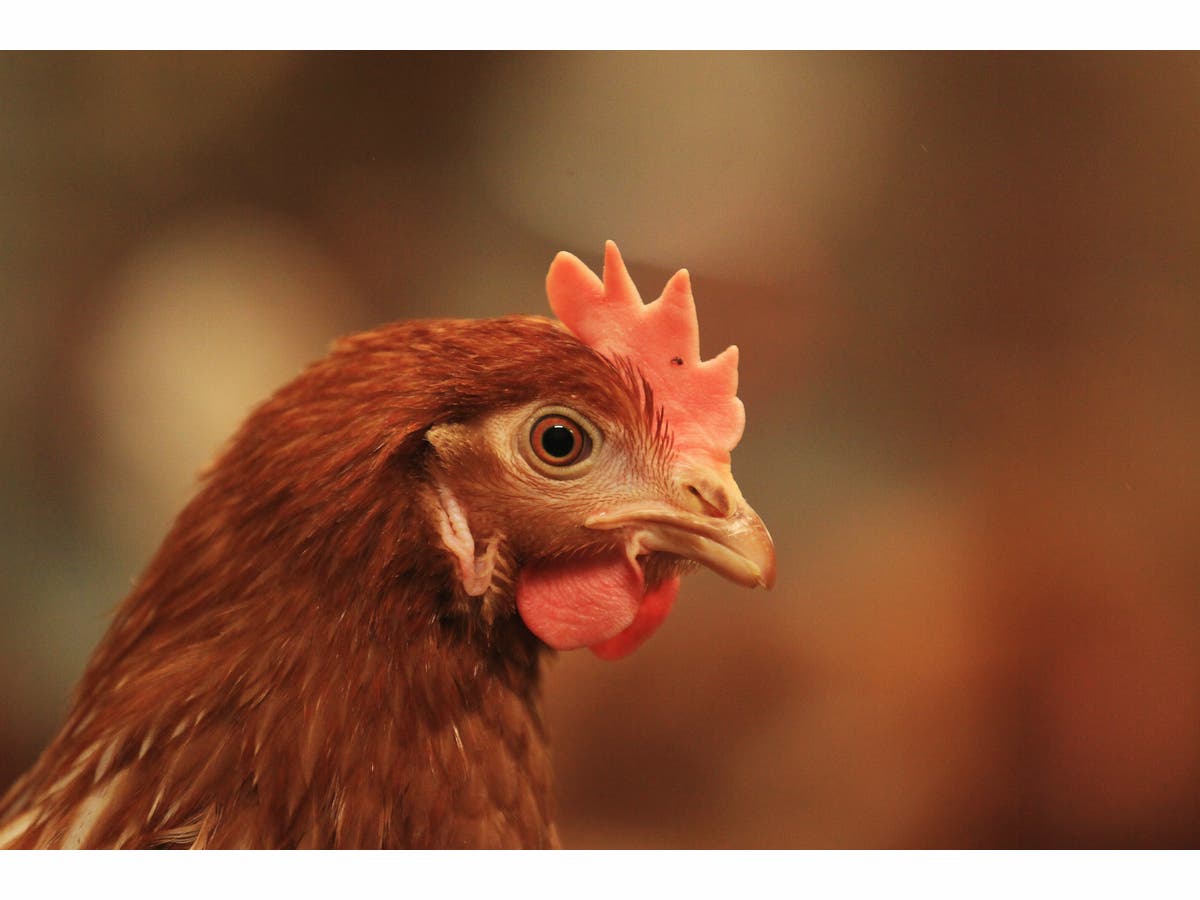
When the truth about factory egg production and the cramped conditions chickens are forced to live in came out, animal activists responded with a force that brought a seismic shift in the industry. Producers began offering a full menu of “specialty eggs,” and egg eaters willing to pay more for the breakfast staple felt their consciences lighten considerably.
But hold on: There’s a Humpty Dumpty-sized crack in the belief that “organic” and “humane” are synonymous and that “organic” automatically means presumably happy and content chickens clucking about the barnyard.
The Washington Post says that’s not the case at one of the nation’s largest organic egg-producing facilities, a 1.6 million-hen egg farm in Saranac, Michigan, that produces one of every 10 cartons of organic eggs sold in the United States. (For more local news, click here to sign up for real-time news alerts and newsletters from Detroit Patch, click here to find your local Michigan Patch. Also, like us on Facebook, and if you have an iPhone, click here to get the free Patch iPhone app.)
Find out what's happening in Detroitfor free with the latest updates from Patch.
Greg Herbruck, the president of Herbruck’s Poultry Ranch, which sells its eggs under the Eggland’s Best label, boasts on a promotional video that the “entire process is organic.”
That may be, but few casual observers would discern the small difference separating Herbuck’s and other organic egg factory farms from their non-organic counterparts — at organic farms, chickens are fed an organic ration and aren’t given antibiotics, and that’s about it. Sources familiar with Herbruck’s Poultry Ranch told The Washington Post the laying hens are crammed in small spaces — about three hens per square foot of floor space — and aren’t allowed to walk around outside. That’s the same argument animal welfare advocates have been making for years against non-organic industrial egg farms.
Find out what's happening in Detroitfor free with the latest updates from Patch.
Herbruck declined the Washington Post’s request for an on-site visit, citing concerns with the spread of avian flu, a disease that decimated chicken flocks across the United States in 2015. A spokeswoman for the egg farm told Patch Herbruck was not immediately available for a telephone interview or comment. (We’ll update the story if we hear back.)
Herbruck’s houses about 180,000 birds in each of its nine rectangular-shaped barns. The chickens live on four levels known as “aviaries” that stand about 20 feet high and contain 56,000 square feet, Herbuck told The Post. He disputed representations that each hen has about three square feet to roam but did not elaborate, The Post said.
What Does Organic Really Mean?
In May, organic and cage-free egg producers accounted for 13.2 percent of the current laying flock, about 41.2 million hens, according to the American Egg Board. Of those hens, 14.6 million, or 4.7 percent, are organic.
To be certified organic, the U.S. Department of Agriculture rules require that chicken flocks and other production livestock be able to follow their natural inclinations:
“Livestock housing must provide for adequate ventilation, adequate supply of clean water and proper sanitation. Housing must provide access to the outdoors, shade, shelter, exercise areas, fresh air and direct sunlight year round. Living conditions must accommodate the health and natural behavior of animals. Continuous total confinement of any ruminant animal over 6 months of age indoors is prohibited.”
The chicken farm appears to be in violation of at least the spirit of those rules, the Organic Consumers Association’s Katherine Paul told The Post.
“This is not at all what consumers expect of an organic farm,” she said. “It’s damaging to the image of the entire industry. People will wonder, ‘Why the hell am I paying more for this?’”
The Wisconsin-based organic watchdog and farm policy group The Cornucopia Institute was also searing in its criticism of Herbruck’s. In an Organic Scorecard updated earlier this month, the farm got a one-egg rating, the lowest possible, reserved for facilities that are “ethically deficient industrial organics” and provide no meaningful outdoor access for the chickens. The group wrote:
“ ‘Outdoor access’ on these operations generally means a covered concrete porch that is barely accessible to chickens. Means of egress from the buildings are intentionally small to discourage birds from going outside, and make it possible for only a small percentage of birds to have ‘access’ to the outdoors. No producers in this category were willing to participate in The Cornucopia Institute’s project, and none shared their production practices with Cornucopia researchers. This is disturbing to many organic consumers, since transparency has always been viewed as a hallmark of the organic food movement.”
So, how are Herbruck’s and other factory farms able to certify their eggs as organic if hens never get to go outside?
It’s because the USDA interprets the word “outside” to include the “porches” attached to large confinement barns. Don’t confuse these with the wrap-around porch on your house. Confinement porches are typically walled rooms with hard floors and screening on one side, and the USDA doesn’t weigh in on how many chickens can be on the porch at a given time, or even density in the production barns.
Herbruck said the porches are less cruel than wide, open spaces because they protect chickens from predators.
“The use of organic porches reflects Herbruck’s commitment to the hen health and food safety that our customers and consumers demand,” Herbruck said in a statement to The Post. “Porches keep the hens safe, allowing them to be outdoors while protecting them from wild birds like ducks and geese, and predators like vermin that spread disease and can hurt or kill hens.”
USDA research suggests the threat of predators isn’t as great as purported in a North Carolina State University study, paid for in part by the poultry industry, that claimed a 30 percent mortality rate for birds allowed outside, compared with a 6 percent death rate for hens that were kept inside. A 19-state, 2013 USDA study of farms with at least 3,000 layers showed a 7 percent mortality rate at organic operations, compared with 10 percent at conventional operations, The Post reported.
According to some estimates, consumers who are increasingly interested in what happens to their food before it reaches the table are willing to pay anywhere from a couple of bucks more per dozen to $4 or $5 more a dozen if the chickens are organic and pastured. The market is ripe for picking. A March Consumer Reports survey showed 80 percent of consumers who regularly shop for organic products think it’s important that organic eggs come from hens that are allowed outside.
Family farmers with smaller, easier to manage chicken flocks figured the higher prices consumers were willing to pay would offset the higher operational costs associated with letting chickens roam outside — the bucolic image many people have when they think of organic chickens.
Big operators in the increasingly consolidated organic industry saw opportunity, too — as well as the provision in the USDA organic rules that seemingly carve out a niche for smaller producers.
That’s unsettling to people like the Organic Producers Consumer’s Paul, who told The Post the USDA definition of “outside” puts small producers with a more literal definition of the word at a competitive disadvantage. Organicauthority.com dismissed the rules, promoted as a strict set of standards for organic production, as probably not humane, and The Cornucopia Institute said they were a “giveaway to factory farm institutes masquerading as organic.”
Organic agriculture advocates stubbornly fought to have porches excluded from the new USDA rules — the USDA’s National Organic Standards Board said outdoor access “is a basic tenant of organic production” — while industry lobbying groups, large conventional agricultural companies and big producers, including Herbuck’s, bitterly fought for them.
In the end, U.S. Sen. Debbie Stabenow of Michigan, ranking member of the Senate Agriculture Committee, and the committee chairman, U.S. Sen. Pat Roberts of Kansas, were able to stall the proposal, writing to then-agriculture secretary Tom Vilsack that their “constituents have expressed significant concern regarding unintended consequences.”
The stricter rule could disappear altogether. In May, the Trump administration granted a six-month delay “to allow time for further consideration.”
Unscrambling Egg Carton Labels
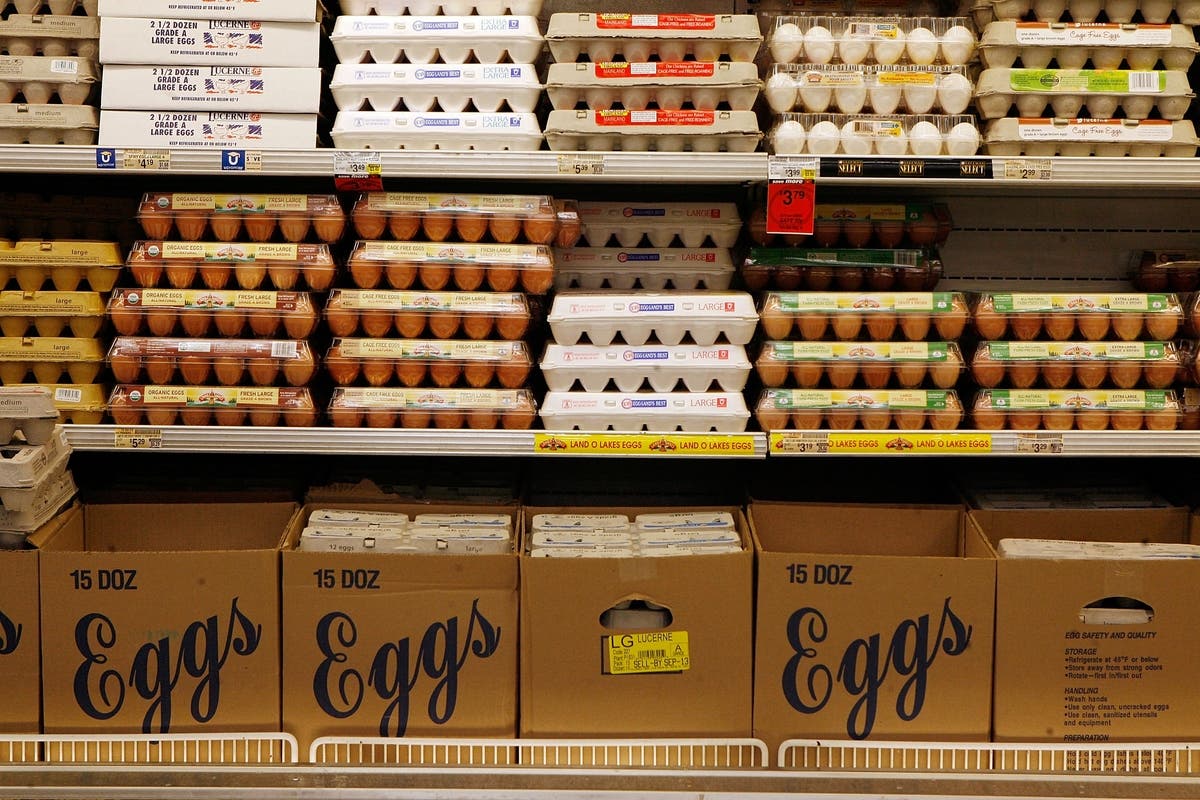
While politicians sort out whether chickens should stay inside or be allowed outside their porches, a trip down the grocery store egg aisle is increasingly confusing for consumers. How do egg-buying consumers know what they’re getting? Goop.com and the Humane Society of the United States offer clarification on what egg carton labels mean:
Cage-free: The USDA standards for cage-free eggs require that hens be able to move freely about their hen houses or other confinements and they have unlimited access to food and fresh water during the laying cycle. There aren’t any space requirements, and there’s no guarantee the hens will ever go outside. To be sanctioned Certified Humane by Humane Farm Animal Care, a nonprofit certification group that works to improve the lives of production livestock from birth to slaughter, each hen should have 1.5 square feet to roam, access to litter for dust bathing, access to perches and ammonia levels so low “the scent is imperceptible.” They are not subjected to beak-cutting or starvation-based molting to increase egg production.
Free-range and free-roaming: The USDA regulations for this label require that chickens have “continuous access to the outdoors during their production cycle, which may or may not be fenced and/or covered with netted material.” Again, there’s no rule on how much space the chickens should have. They are not subjected to beak-cutting or starvation-based molting to increase egg production.
Pasture-raised: The USDA doesn’t regulate this label “due to the number of variables involved in pasture-raised agricultural chickens.” This is the bucolic image that most people envision when thinking about humanely raised chickens. Certified Humane requires that each hen needs 108 square feet, the same standard set by Animal Welfare Approved. Pasture-raised chickens also are not subjected to beak-cutting or starvation-based molting to increase egg production.
USDA Certified organic: Chickens are uncaged; free to walk, nest and engage in other natural behaviors; and have outdoor access, though not necessarily pasture access. They are not subjected to beak-cutting or starvation-based molting to increase egg production. Synthetic fertilizers, sewage sludge, irradiation and genetic engineering are forbidden in the rules, and they must be fed organic grain that doesn’t contain antibiotics, pesticides and other animal products.
Non-GMO: How the chicken is treated doesn’t come into play. It simply means the hens are fed a ration that is free of genetically modified products.
Vegetarian: Chickens are omnivores, and if labeling says they haven’t been fed any animal byproducts, it probably means they haven’t been given pasture access. Chickens naturally eat worms, grubs and insects.
Natural: This label also doesn’t address any animal welfare concerns. It simply means the eggs were minimally processed and don’t contain any artificial ingredients.
No added hormones: This is a clever bit of marketing. USDA rules already prohibit the use of hormones or steroids in poultry and other production livestock. The label you’re probably looking is one that says no antibiotics were given to the animal.
Feature image: Photo by Joern Pollex/Getty Images News/Getty Images
Get more local news delivered straight to your inbox. Sign up for free Patch newsletters and alerts.