Neighbor News
Fact check time: Who actually sets prison phone rates?
As FCC commissioner Mignon Clyburn slams providers amid inmate phone call rate cap rejection, we may not be getting the whole story.
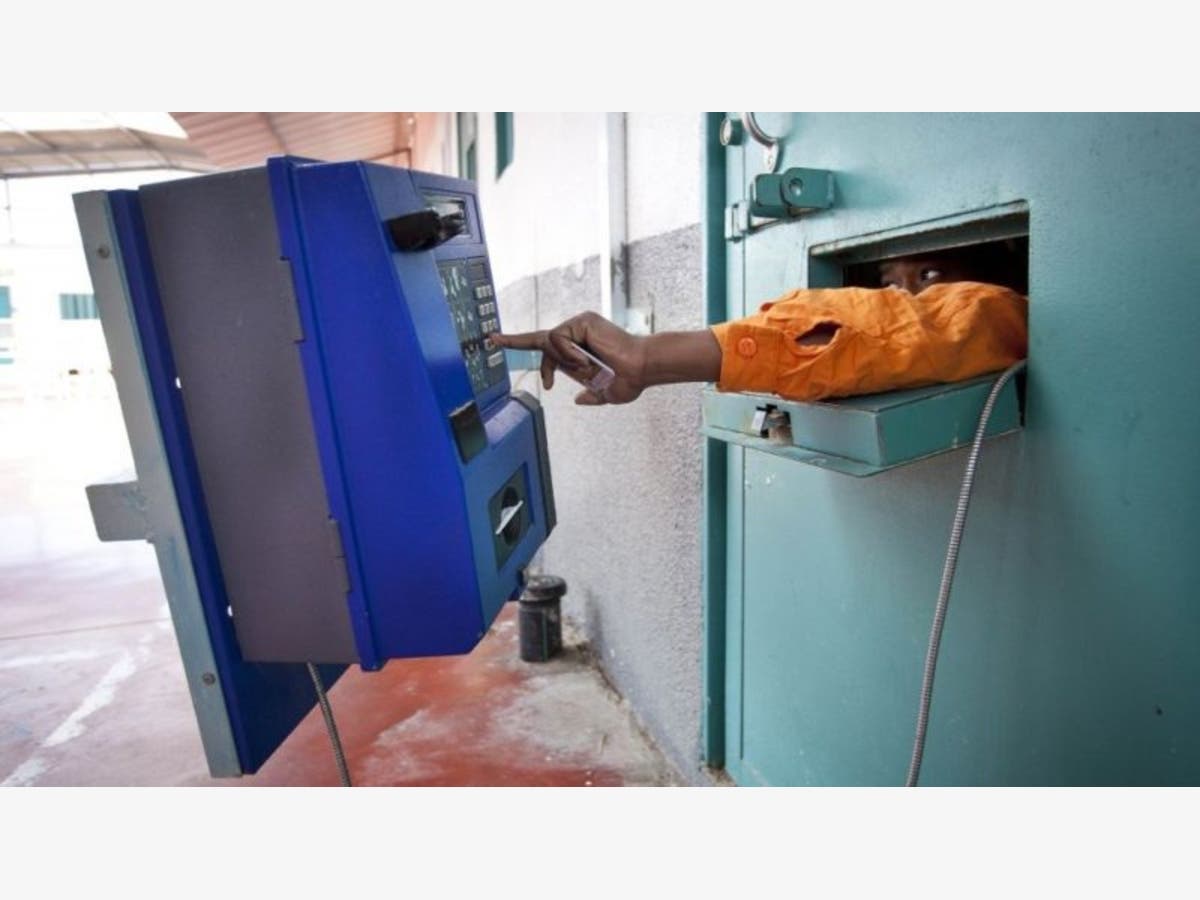
A debate that has raged since the early Obama administration has been reignited since an appeals court ruling this summer that the Federal Communications Administration does not have authority to regulate inmate calling and video communication rates.
The decision, which reverses previously established caps on how much prison facilities can charge for inmates to communicate with the outside world, has renewed accusations of price gouging by providers. Democratic FCC Commissioner Mignon Clyburn went so far as to call previously uncapped rates the most “egregious case of market failure ever.”
Indeed, there have been instances cited of calls costing as much as $14 per minute, prompting severe criticisms of prison communication contractors. What’s been left out of the argument to this point, however, is that calling rates are largely set by facilities themselves.
Find out what's happening in Detroitfor free with the latest updates from Patch.
What many participants in this already politically-charged debate – one increasingly tagged for social and civil causes – either have not realized or have chosen not to are the actual roles played in inmate communication from start to finish. When a contract is established between a provider and a facility, the two agree upon a rate for differing calls (in-state, out-of-state, landline, video). The facility then sets its own baseline rate for each – often with the knowledge ahead of time that any overages can be reinvested back into the prison system, augmenting funding for prisoner quality of life measures and prison staffing and benefits.
Other provisions remain: major prison communication contractors offer securities that a regular landline would not – such as 24/7 customer service for audio/video faculties, and round-the-clock monitoring geared toward prevention of less scrupulous communications such as those involving drug deals or gang-related activities.
Find out what's happening in Detroitfor free with the latest updates from Patch.
Factor in these overheads and an inmate or inmate’s family might well find themselves perturbed at the cost involved (one which providers say is actually much closer to $1 per minute). Many then begin to consider contraband devices, which remain a prolific and illicit alternative.
It’s an attractive prospect, on the surface: One’s very own device from which to send pictures and videos, free from predetermined usage times and the watchful eyes of administrators. But it comes at a cost: the average going rate for an unauthorized device in prison is $1500.
Inmates must also consider the disciplinary implications for being caught with one. Penalties vary between states, but nearly all facilities tack on extra sentence time for possessing a contraband device. In California, for instance, being caught with an illegal phone can result in being taxed up to three month’s good time served. The state further penalizes individuals complicit in smuggling them in: It’s a misdemeanor offense, for starters, and carries a $5,000 fine, according to the California Department of Corrections website.
Contraband phones represent a public menace, as well, if FCC Chair himself Ajit Pai is to be believed. Pai went so far as to liken cell phones to weapons when in the hands of inmates as he spoke at a Corrections Technology Association event last year.
There are instances to back the Republican Chair’s claims. Just last year Alabama inmates filmed themselves during a prison riot and uploaded it to social media. In Ga., an inmate ordered the horrific revenge killing of a rival’s family – to include an infant – from inside the confines of a facility. And in perhaps the most publicized case, a prison warden run afoul of inmates inside a South Carolina penitentiary in 2011 found himself the victim of a home invasion, shot six times as his wife looked on. He barely survived and now advocates for tougher regulation on prison comm’s.
These extreme cases underscore more common ones involving illegal device use: Inmates regularly use them to manage gang connections, intimidate potential witnesses, extort money from family members, and oversee drug transactions.
It’s a string of events and truths that the most ardent critics of pre-approved, monitored, and contracted communications between prisoners and their families rarely acknowledge during debates – particularly those with a political backdrop. From a numbers standpoint alone, $1 per minute as opposed to $1500 otherwise spent on an illegal phone would buy an inmate a lot of talking minutes in an authorized system – and keep them on track to returning to society in an originally prescribed amount of time.
While those critical of sanctioned inmate communication – FCC minority commissioner Clyburn chief among them – continue to decry what they’ve labeled as the exploitation of an already disadvantaged populace, it seems that at least some of the revenue generated by contractors is reinvested back into programs apparently to their benefit, such as PEP.
The Prison Entrepreneurship Program, a Houston and Dallas-based nonprofit aimed at reducing recidivism among former and current inmates, has received funding in past years from major prison communication providers. Pledged toward pairing inmates with business professionals, the organization bills itself as a sort of mini-MBA for those seeking a second chance – provided they’re willing to work for it. Inmates who graduate the rigorous program expect the support of alumni past the terms of their graduation date – a process largely made possible by outside benefactors.
“(PEP) represents a revolution in the way inmates in prisons and jails are coached and counseled,” said Chief Executive Officer Bert Smith in a statement, citing funding from a major prison communication provider as integral to the organization’s efforts. “(They’re) helping us to extend our reach.”
If an FCC chair, backed by statistics; a nonprofit charged with improving lives; and a warden who owes his life to a miracle are to speak with any authority, perhaps the outlook for a prison system with regulated communications is less grim for inmates than some have belabored. There’s certainly more to the story, it seems, than what we’ve lately been told.