Politics & Government
Flushable Wet Wipes Cause Knotty Problems In America’s Sewers
Lessons from the Fraser sinkhole and utilities across the country: Just because wet wipes are billed as flushable doesn't mean you should.


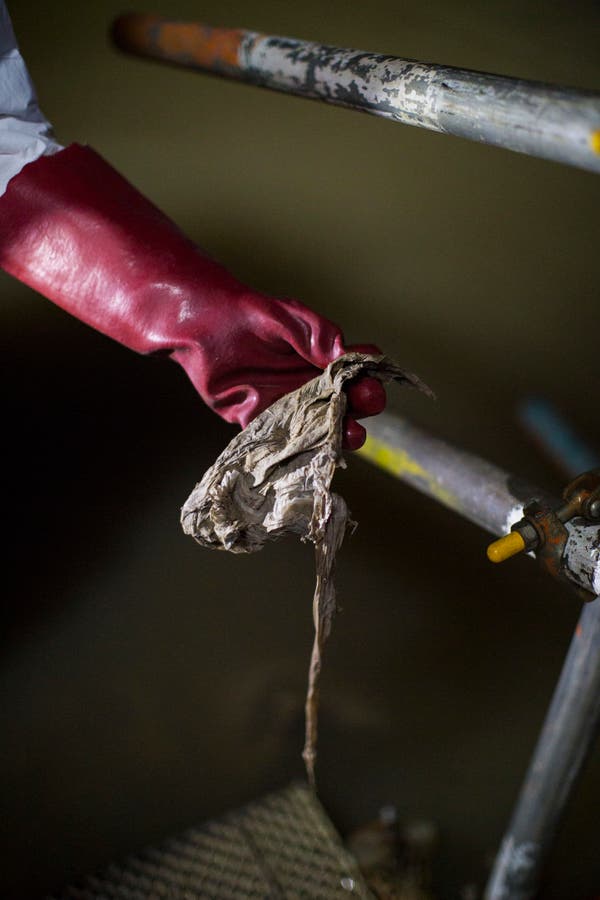
METRO DETROIT, MI — Let’s talk about what you’re flushing down your toilet. No, not that, but still, some of what pampered adults are flushing is causing a nasty, knotty problem, especially in the area of the gigantic Fraser sinkhole that opened up on Christmas Eve, but also across Metro Detroit and the rest of the country.
The problem is with disposable adult wipes, a bidet in a can of a sort. They’re billed as flushable, and technically they are, but they’re not biodegradable. Sewer officials have an indelicate name for what happens when they get in sewer lines, hit the screen and knot up: ragging.
So don’t flush anything but toilet paper and human waste, public works officials admonish. Disposable wipes aren’t the only things causing problems. Cotton balls, dental floss, paper towels, feminine hygiene products, cigarette butts, condoms and even cat litter are culprits, too.
Find out what's happening in Detroitfor free with the latest updates from Patch.
In Michigan’s Macomb County, where the Fraser sinkhole forced the demolition of three perfectly good houses in the vicinity of the collapsed sewer interceptor, the ragging issue is mission critical. A temporary bypass installed as permanent repairs are made lifts sewage 60 feet in the air before pumping it back to an underground line, and the supposedly flushable wipes exacerbate problems with the work-around.
“We are just burning our pumps out with all of this ragging,” Macomb County Public Works Commissioner Candice Miller told the Detroit Free Press, explaining the fibrous wipes turn “into almost a rope and they wrap themselves around the pump.”
Find out what's happening in Detroitfor free with the latest updates from Patch.
“This ragging is just really, really handicapping our efforts,” Miller said.
(For more local news, click here to sign up for real-time news alerts and newsletters from Detroit Patch, click here to find your local Michigan Patch. Also, follow us on Facebook, and if you have an iPhone, click here to get the free Patch iPhone app.)
Utilities across the country have been crying foul about the supposedly flushable hygiene products for years, saying that as they gain favor among consumers — adult wet wipe sales were about $2.5 billion in 2015 — they’re knotting up America’s sewers. The adult wipes are designed to hold up under a tough job, and they don’t disappoint, unless you’re a public works employee who has to do a sewer dive to untangle the mess.
City officials in Vancouver, Washington, spent more than $1 million over five years to replace sewer pipes that stopped up under the strain of the adult wipes. Officials dyed several kinds of wipes and sent them through the sewer system to determine which ones were causing the problems. Those that had been labeled as flushable had “little rips and tears, but they still were intact,” Frank Dick, a Vancouver engineer, told NBC’s “Today.”
In New York City, wet wipes superknots are a multi-million-dollar problem, The New York Times reported. They’ve snarled sewer lines in cities across the country to the West Coast and California, as well as outside the continental United States in Hawaii and Alaska.
“I agree that they’re flushable,” Tim Haapala, operations manager for the Charleston, South Carolina, Sanitary Board told The Times in 2015. “A golf ball is flushable, but it’s not a good idea.”
And it’s not just a domestic problem. In London two years ago, an 11-ton fatberg — a mass of congealed fat, wet wipes and household waste that stick to it — broke a pipe installed in the World War II era, prompting nearly $700,000 in repairs, The Independent reported.
“Wet wipes are particularly nasty when people flush them down the toilets,” a spokesman for the utility company Thames Water told The Independent. “When all these things come together in our sewers, wet wipes stick to fat and anything that is flushed down toilets that shouldn’t be, like nappies and sanitary items."
In Michigan, Miller is contemplating becoming an anti-ragging evangelist to raise awareness of the problem across Macomb County.
“People have to understand the impact of this,” she told the Free Press. “If they can just throw it in the trash and not down the toilet.”
In neighboring Oakland County, officials have already done that with a public service announcement posted on YouTube and Facebook. The two-minute educational video features Oakland County Water Resources Commissioner Jim Nash and Detroit entertainer “Lady T Tempest.” It cost $1,000 and was paid for by the Oakland County Water Resource Commission’s nonprofit arm, Pure Oakland Water.
Photo by Jack Taylor/Getty Images News/Getty Images
Get more local news delivered straight to your inbox. Sign up for free Patch newsletters and alerts.