Health & Fitness
Ivermectin Is Not A COVID Cure; Says MI Poison And Drug Center
The drug has seen a sharp increase in prescriptions, despite not being approved by the FDA.


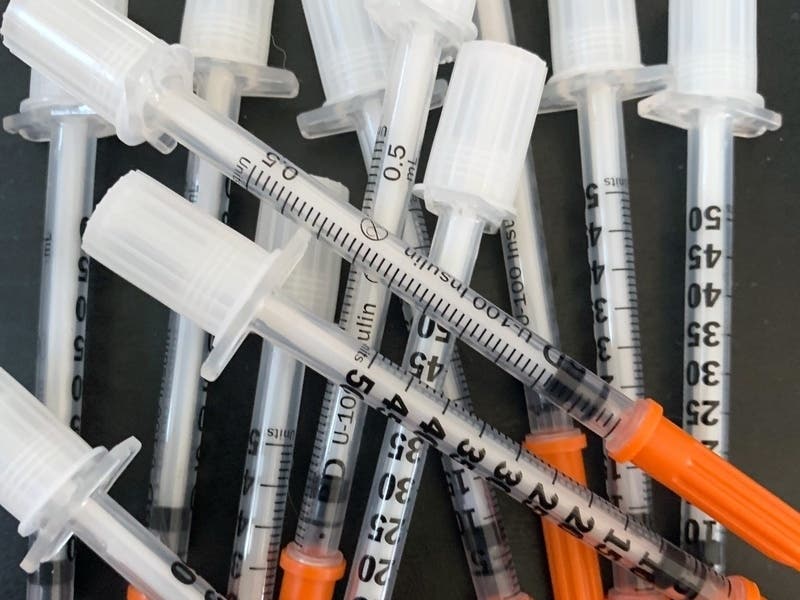
MICHIGAN—The Michigan Poison and Drug Information Center at the Wayne State University School of Medicine on Tuesday warned people not to use ivermectin to threat or prevent COVID-19, according to a news release.
The CDC confirmed that calls to poison control centers about ivermectin exposures have been sharply increasing. In addition, the FDA said they've received reports of some patients requiring hospitalization and medical treatment after unproved use of ivermectin, the news release said.
"Ivermectin has not been approved nor is recommended by the United States Food and Drug Administration to treat or prevent SARS-CoV-2, the virus that causes COVID-19," the news release said. "The FDA has not reviewed data nor found sufficient evidence to support the use of ivermectin for COVID-19."
Find out what's happening in Detroitfor free with the latest updates from Patch.
While ivermectin is an anti-parasite medicine used for both humans and animals, it is more commonly used in animals. And people should never take ivermectin that's only used for animals because they often have higher concentrations of ingredients than those for humans, the news release said.
Yet, CDC researchers concluded that prescriptions for ivermectin have been steadily rising in recent weeks to more than 88,000 per week in mid-August from a pre-COVID baseline average of 3,600 per week.
Find out what's happening in Detroitfor free with the latest updates from Patch.
Adverse effects of ivermectin can include gastrointestinal, cardiovascular and/or neurological symptoms such as:
- Nausea
- Vomiting
- Diarrhea
- Low blood pressure
- Increased heart rate
- Lethargy
- Confusion
- Hallucinations
- Movement disorders, problems with balance
- Seizures
- Liver damage
- Coma
- Death
Get more local news delivered straight to your inbox. Sign up for free Patch newsletters and alerts.