Politics & Government
Michigan Kids Living In Poverty Up 15 Percent Since Recession
The greatest disparities in children's well-being are among African-American and Latino children in 2017 Kids Count in Michigan Data Book.


LANSING, MI — Depending on where they live, their race or ethnicity and their family’s income, Michigan children have either comfortable or challenging lives, according to a new Kids Count report released Tuesday that showed the number of children living in poverty increased 15 percent from 2008 to 2015. The report, now in its 25th year and released by the Michigan League for Public Policy, showed 47 percent of African-American and 30 percent of Latino children live in households that are struggling to get by.
Overall, more than one in five children (22 percent) lived in poverty during the seven years since 2008, the last full year of the Great Recession. Poverty rates were highest in rural counties (nearly 20 percent) and lowest in urban counties (22 percent), though poverty increase at the highest rate in urban areas.
And in Michigan’s largest metro area, Detroit, child well-being fluctuated wildly. Oakland County ranked third among 82 of Michigan’s 83 counties in child well-being, while Wayne County ranked 53rd. Macomb County ranked 13th. In Oakland and Macomb counties, the poverty rate was less than 17 percent. Next door in Wayne County, the rate was more than 28 percent. Keweenaw County lacked sufficient data.
Find out what's happening in Detroitfor free with the latest updates from Patch.
Child well-being was greatest in Ottawa and Clinton counties,which finished above Oakland County. Each of these counties moving up one rank from last year. The bottom three counties in 2017 are Oceana, Iosco and Lake.
(For more local news, click here to sign up for real-time news alerts and newsletters from Detroit Patch, click here to find your local Michigan Patch. Also, follow us on Facebook, and if you have an iPhone, click here to get the free Patch iPhone app.)
Find out what's happening in Detroitfor free with the latest updates from Patch.
“No Michigan child should be experiencing poverty, hunger, abuse or neglect, regardless of where they are born and grow up, their race or ethnicity, or their family’s economic standing,” Alicia Guevara Warren, Kids Count in Michigan project director, said at a news release. “Just as past policies and practices have created these disparities, using a racial equity lens and a two-generation approach to develop policy solutions can help resolve them. In order to have a vibrant state for us all, lawmakers need to make sure all kids in Michigan thrive.”
Some of the major findings in the report:
- Working a full-time, minimum wage job leaves a parent with a family of three $1,657 below poverty each year;
- Nearly 20 percent of mothers report smoking during pregnancy, with higher rates in rural communities;
- 31 percent of mothers did not receive adequate prenatal care throughout their pregnancy;
- The rate of confirmed victims of child abuse and neglect rose by 30 percent from 2008; more than 80 percent of incidents were due to neglect;
- About 10 percent of children in Michigan are impacted by parental incarceration; On average, monthly child care consumed 38 percent of 2016 minimum wage earnings; and
- Nearly 17 percent of Michigan children live in high-poverty neighborhoods — but the rate is 55 percent for African-American kids and 29 percent for Latino children.
To reverse the trends highlighted in the report, the Michigan League for Public Policy recommends:
- Expanding the home visitation programs as part of a comprehensive strategy to prevent child abuse and neglect;
- Ensuring Michigan families have access to affordable, quality child care by raising eligibility levels for state child care subsidies and reforming the current system;
- Increasing funding for maternal smoking prevention and cessation programs and services;
- Providing sufficient funding for early interventions to improve third-grade reading using a birth-to-8 framework;
- Raising the age of juvenile jurisdiction from 17 to 18 years old.
Gilda Z. Jacobs, president and CEO of the Michigan League for Public Policy, said childhood poverty is as pressing an issue was it was in 1912, when the organization was founded.
“Too many Michigan families are working but barely making ends meet and are one financial emergency away from disaster,” Jacobs said. “Simply having a job is not enough anymore, and we need stronger policies to support workers with low wages and their families.”
In particular, the report cited the “profound impact” of early childhood education on children’s development and future learning. Paula Brown, director of the Great Start Collaborative of Kent County, where poverty rates range from 17 percent to 23 percent, said it’s imperative that lawmakers “understand all the challenges parents face in getting kids in preschool, from costs to transportation.”
Dr. Kimberlydawn Wisdom, former Michigan surgeon general and senior vice president of community health & equity and chief wellness and diversity officer at Henry Ford Health System, said the report presents child data in a compelling way and uses it to help policymakers, advocates and service providers understand the policy and programmatic needs to support happy, healthy lives for all kids.
“As a doctor, I see firsthand how every element of a child’s family life and environment affects their health, and furthermore racial and economic inequities compound these challenges,” Wisdom said.
Read the full report.
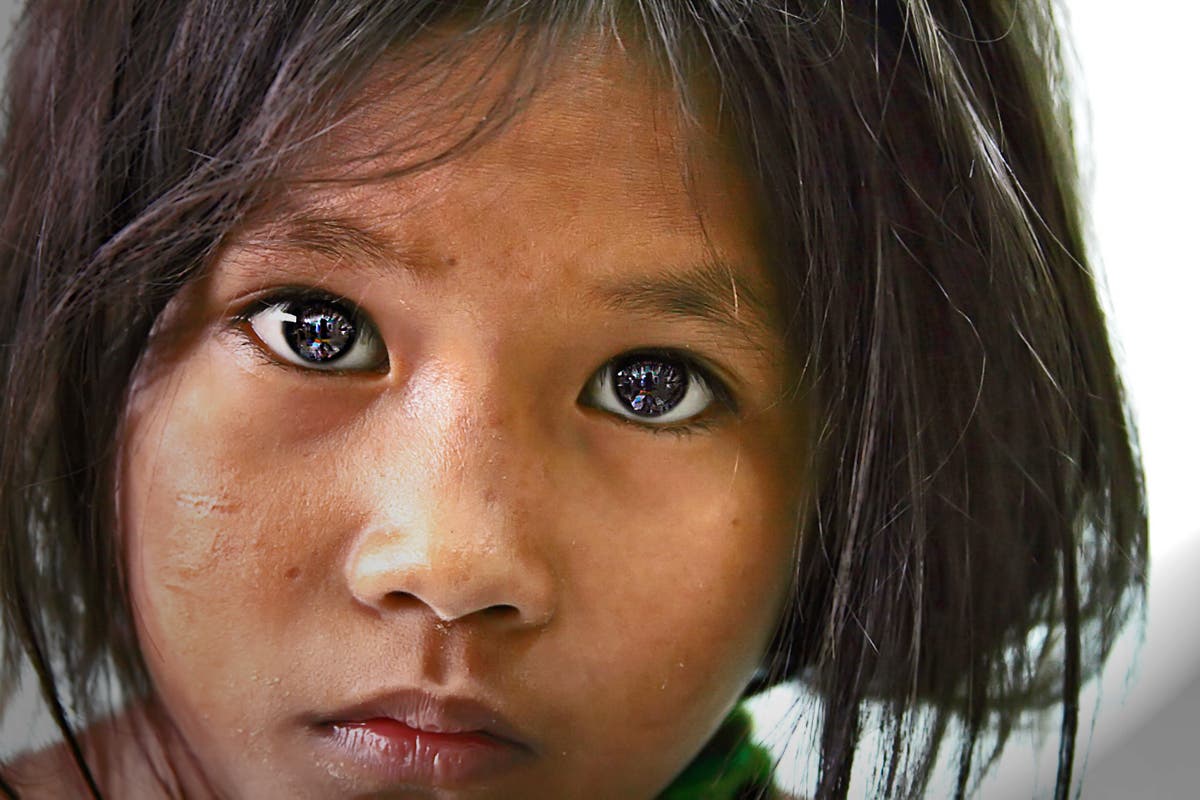
Photo by sWITI fONTANILLA via Flickr Commons
Get more local news delivered straight to your inbox. Sign up for free Patch newsletters and alerts.