Travel
Rare, Potentially Destructive Moth Found In Luggage At Detroit Metro Airport
The moth is known to feed on plants in the rockrose family.


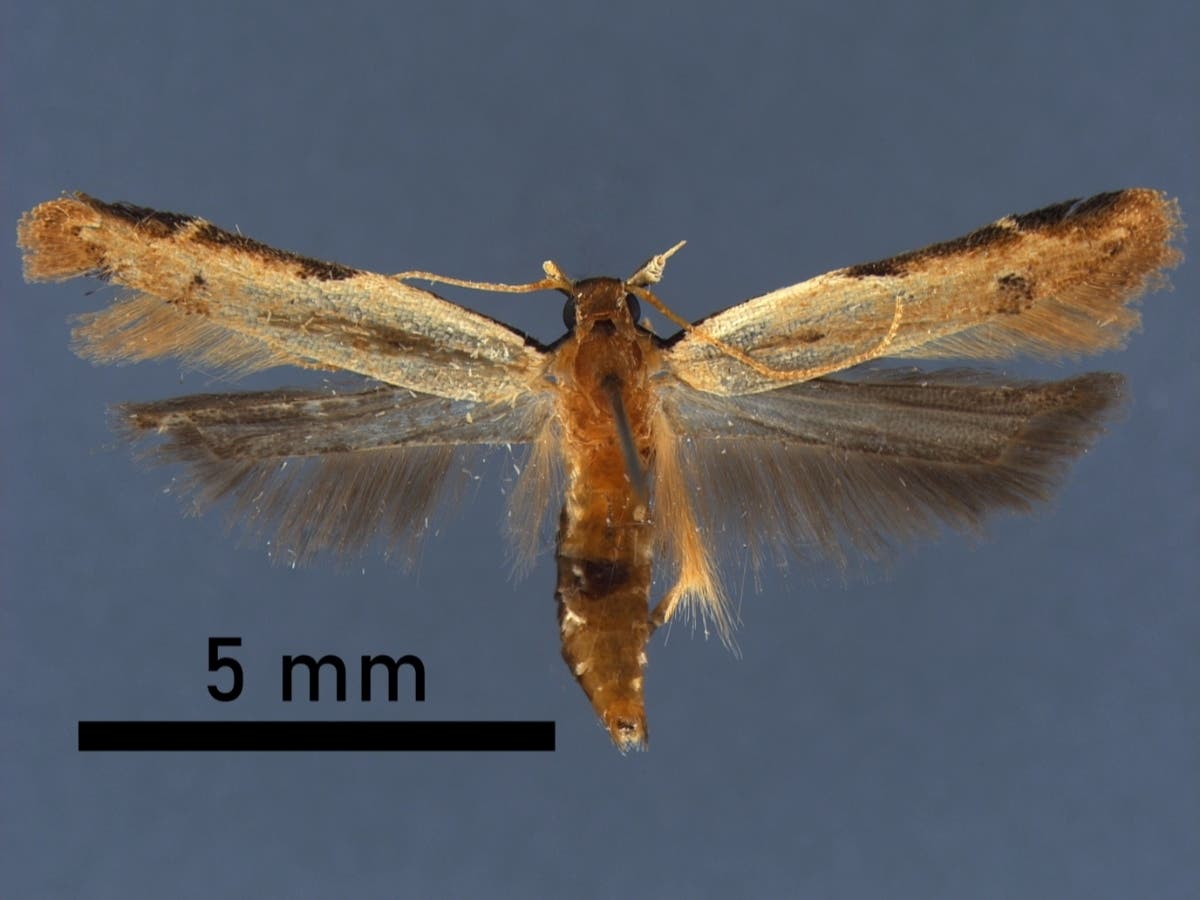
ROMULUS, MI — Airport officials intercepted a rare potentially destructive moth at Detroit Metropolitan Airport earlier this year.
A detector dog alerted officials to a Ghanaian traveler's luggage during a routine inspection, officials said.
Officials found corn and seeds inside the luggage, and upon closer examination, found the moth. They identified the insect as a non-native straw crest moth (Mesophleps silacella).
Find out what's happening in Detroitfor free with the latest updates from Patch.
Officials confirmed its identification on Aug. 12. It's the first time officials have ever encountered the moth at a U.S. port of entry.
"This first-in-the-nation interception demonstrates how thoroughly our agriculture specialists search items entering the United States to identify and stop potential pests," Port Director Fadia Pastilong said. "I’m proud of the work our agriculture specialists here do every day, which includes the interception of hundreds of pests each year that could threaten the U.S. agriculture industry."
Find out what's happening in Detroitfor free with the latest updates from Patch.
The traveler, a citizen of Ghana, was advised of agriculture import requirements and released without further issue.
"Declaring food and agricultural items isn’t just a formality—it’s our first line of defense against threats that can devastate our crops, compromise our food supply, and destabilize our economy," said Director of Field Operations Marty C. Raybon.
The straw-crest moth is found in Europe and parts of Africa and is known to feed on plants in the rockrose family.
Officials said there are about 4,700 known gelechiid species worldwide and the family includes several invasive and destructive pests.
In their native areas, some pest species do not cause major damage because predators and plant resistance help control their numbers. That balance, however, can be disrupted when pests enter a new area without those natural controls.
Get more local news delivered straight to your inbox. Sign up for free Patch newsletters and alerts.