Neighbor News
We Aren't Ready for Self-Driving Cars, But We Need to Be
Self-driving vehicles, once science fiction, is now science fact, and are poised to take over the roadways in as little as five years.

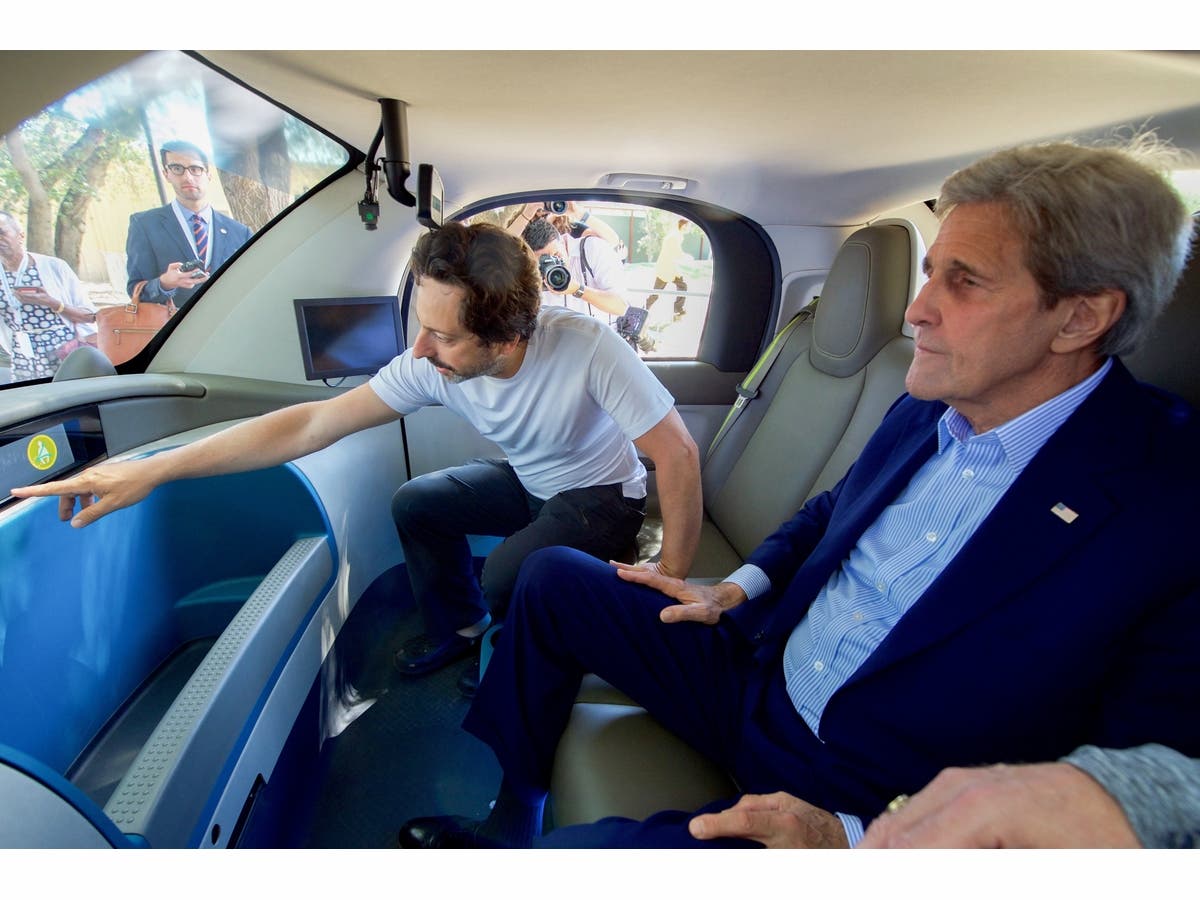
Self-driving vehicles, once science fiction, is now science fact, and are poised to take over the roadways in as little as five years. Such change is exciting, but not without its consequences. While the self-driving vehicle may conjure images of high-tech sensors and computer-brain machinations, USA TODAY ran an interesting piece claiming that the future of the self-driving car depends on a much lower-tech material than you’d expect: paint.
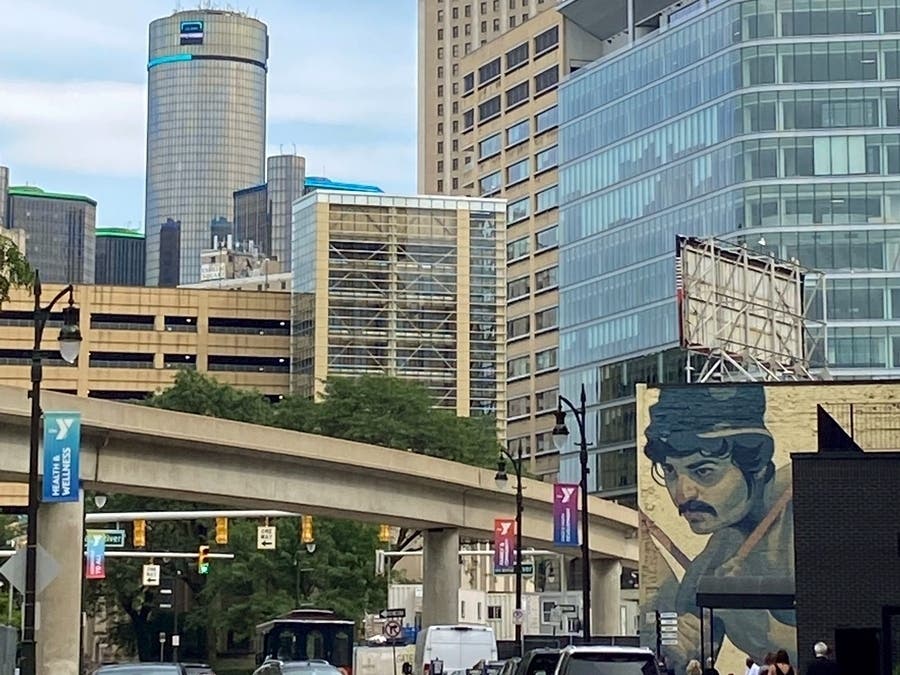
“The (self-driving car companies) actually said make sure you have really good paint lines,” Kirk Steudle, director of Michigan’s Department of Transportation, told USA Today. “So, where there are lines, we have to make sure they’re really good.”
This is great news for states like Michigan, California, Arizona, and Ohio, which are gearing up for self-driving vehicle tests by beginning to make infrastructure upgrades and other accommodations. Unfortunately, not all states are on the same page in terms of readiness, mirroring a problem that we have with society’s acceptance of self-driving cars: they are an inexorable force, whether we’re ready for them or not.
Find out what's happening in Detroitfor free with the latest updates from Patch.
The Evolution of Cars, From Analog Status Quo to Digital Disruption
If we look at Pepperdine University’s infographic on the history and evolution of the daily commute, we’re reminded of just how fast transportation has changed over the last 200 years. In 1900, a mere 8,000 cars were owned in America. Twenty years later, Americans owned 8 million cars. In just 20 years, car ownership boomed 1,000 percent, forcing massive changes in growing infrastructure — the beginning of a never-ending slough of changes that would affect American society as a whole.
As time has gone on, cars, like almost everything else, have gone from analog to digital. It's not uncommon now for automotive tech interviews to ask prospective employees how strong their computer skills are. What’s more, the auto industry is about to face what almost every industry embroiled in digital transformation must inevitably face, namely digital disruption.
Find out what's happening in Detroitfor free with the latest updates from Patch.
A good example of digital disruption in action is the case of Blockbuster against the rise of Netflix. Netflix found a way to digitally revolutionize entertainment delivery, to the point that Blockbuster’s “walk-in, rent, walk-out” operation was threatened. Instead of getting with the times, Blockbuster held on to its outdated business model and went the way of the dodo.
It didn’t matter if internet speeds provided by ISPs universally supported digital streaming or not. Netflix charged forward, forever changing the way that we consume content. The same will be true for the driverless car. Whether the infrastructure is there to support it universally or not, they’ll catch on. For those reasons, it behooves us to begin preparing for the driverless age, instead of putting it off like we have been.
We Are Not Yet Ready for Self-Driving Cars...
There are still a lot of unanswered questions and snags to address when it comes to driverless automobiles. One of the major problems identifiable right off the bat is that the Trump Administration currently has no vision or roadmap for self-driving auto adoption. While Trump promised spending upwards of $1 trillion for infrastructure, nothing has been set in motion yet, and nobody knows whether these plans will pertain to self-driving automobiles or not.
Because of this, tech companies are developing self-driving technology with sensors and mapping systems that will not rely on infrastructure upgrades. This is great in the short-term, but may backfire after regulators finally lay down the law, especially if regulators are basing legislation off of outdated tech and protocol.
“I think this is as challenging a position as it was when we went from horses to cars,” Tennessee DOT Commissioner John Schroer tells USA TODAY. “I don’t want to be known as the commissioner that built roads that 10 years later were obsolete.”
This says nothing of the ethical quandaries inherent in putting a self-driving computer program behind the wheel. This is usually illustrated by the Trolley Problem, a thought experiment that toys with the outcomes of a no-win scenario. Here’s the problem in a condensed format via Wikipedia:
There is a runaway trolley barreling down the railway tracks. Ahead, on the tracks, there are five people tied up and unable to move. The trolley is headed straight for them. You are standing some distance off in the train yard, next to a lever. If you pull this lever, the trolley will switch to a different set of tracks. However, you notice that there is one person on the side track. You have two options:
- Do nothing, and the trolley kills the five people on the main track.
- Pull the lever, diverting the trolley onto the side track where it will kill one person.
Which is the most ethical choice?
When applied to the self-driving car, this opens a whole can of worms. If a car is faced with the choice to either take one path that results in the death of five people, or instead swerve off the road kill the inhabitant of the car, which is the more ethical decision? What if you were the inhabitant of the car? The problem takes on a whole new perspective when presented in such a way — and unfortunately, nobody is any closer to answering definitively how a car should react in a no-win situation, unless you count the idea of “adjustable ethics settings”, which Wired Magazine has dubbed a terrible idea anyway.
But They’re On The Way Anyway
Of course, none of this changes the fact that self-driving cars will be inhabiting a roadway near you much sooner than you probably realize. This isn’t a bad thing, necessarily. In fact, it could be argued that the benefits of self-driving automobiles to society is really the fuel driving them forward. Beyond the minor advantages of autonomous vehicles (such as a place to catch up on sleep and more accurate, automated mileage tracking for businesses, for example) much more profound impacts will arise as a result of self-driving cars’ mainstream adoption.
The most obvious benefit, for example, would be reduction of motor vehicle deaths and injuries, totaling 40,000 and 4.6 million respectively in 2016, according to National Safety Council estimates. All of these deaths and injuries are attributable to human error, including speeding, DUI, falling asleep at the wheel, etc. — all human deficits that computers are unaffected by.
The sheer number of lives saved and injuries prevented per year make autonomous vehicles an attractive proposition in the future, and it is somewhat comforting to know that we’ll enjoy their benefits likely much sooner rather than later. However, we need to take responsibility now and plan for the future we want, instead of hoping we get the future we never planned for.