Neighbor News
The Basics of Estate Planning
Everyone can benefit from estate planning. Here's what you need to know to get started.
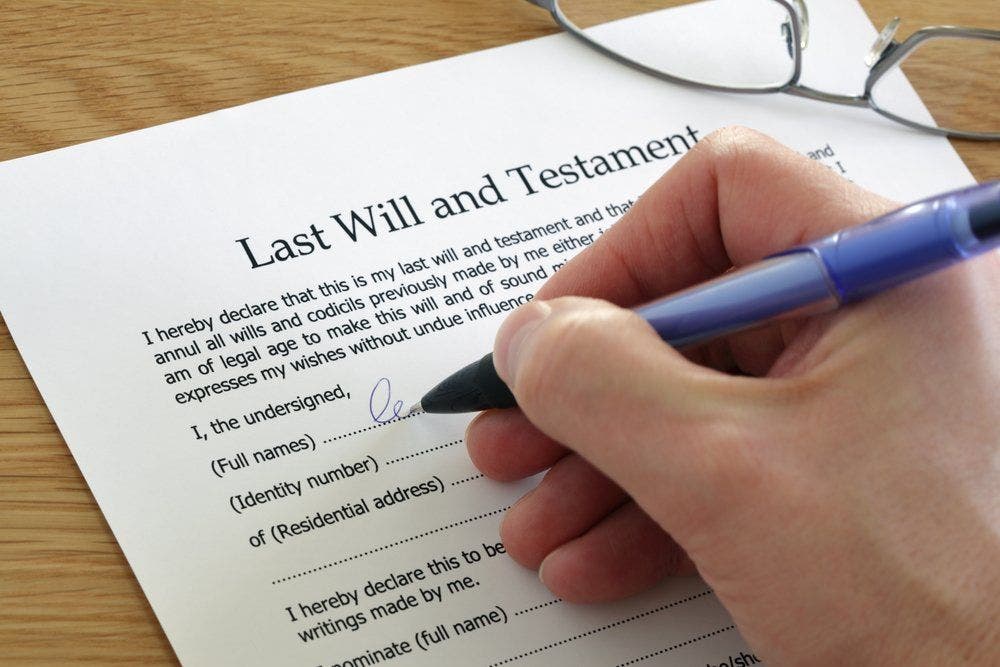
Death is not a subject many people like to think about, particularly when it’s their own death they’re thinking about. But death will inevitably happen to everybody and one of the best things you can do to make sure things easier for your loved ones is to set up an estate plan.
Many people, particularly younger people, fall into the mindset that they don’t need an estate plan since they don’t think they’ll be dying anytime soon or that they simply don’t have enough money and other assets to make estate planning worthwhile. After all, when we hear about disputes over wills, it’s most commonly related to a celebrity like Anna Nicole Smith, Howard Hughes, James Brown, or Michael Jackson, people who are dealing with large amounts of money or other major assets. But the reality is that virtually everybody needs an estate plan, particularly if you have children.
When a person dies without a will, the deceased person’s estate is handled through intestate succession laws. According to Genisys Credit Union, some assets are able to be disbursed automatically without a will or having to go through a court. If a married couple jointly owns a house and one of them dies, by law, ownership of the house automatically goes to the surviving spouse. When you opened your checking or savings accounts or set up an IRA or 401(k), you were probably given the option to designate a beneficiary who would be able to gain access to your accounts in the event of your death. Your assets that aren’t covered by those types of predetermined succession would need to be decided by probate courts, which can be expensive and may lead to family disputes.
Find out what's happening in Fentonfor free with the latest updates from Patch.
Having a lawyer create a will for you costs a few hundred dollars, but it saves your loved ones a lot of frustration and helps make sure your property is disbursed the way you want it to be. You’re able to designate an executor of your estate and state how you want your final debts and expenses to be handled. If you have children, you will be able to name a guardian to care for them. When probate courts are left to determine who should receive your assets, they will most likely be only award things to blood relatives, so if you have things that you would like to be given to a very close friend, a will makes sure that happens.
Trusts are another important part of estate planning. You don’t necessarily need to choose between having a will or a trust, having both can be very beneficial. With a trust, assets are transferred to an individual or corporate trustee who is in charge of managing the assets for the benefit of the beneficiaries. This can help keep estate taxes down and keep property out of probate courts, making sure your beneficiaries get your property in a faster, more efficient manner. You may also be able to put restrictions on how and when your assets are distributed. For example, if you have young children, you might want to specify that any money you leave to them are only to be used for college tuition. You could also use a trust to only distribute funds once a child has reached a certain age. There are many different types of trusts, but for estate planning purposes, you’ll need a living/revocable trust or a testamentary trust.
Find out what's happening in Fentonfor free with the latest updates from Patch.
While planning your estate, don’t forget to establish a durable power of attorney and patient advocate designation. These will officially grant permission to someone you choose to act on your behalf if you are physically or mentally incapacitated. A power of attorney gives someone authority to make legal and financial decisions on your behalf while a patient advocate designation allows someone to make decisions related to your medical care when you are unable to do so yourself.
Once you’ve made an estate plan, make sure to review it regularly and make sure everything is how you still want it to be. Wills and trusts can be altered and you may choose to change your beneficiaries over time. For example, if you originally create a will as a single person, you may decide to leave everything to your parents or other family members. But if you later get married and have children, you may want to update your will to include them as beneficiaries.