Health & Fitness
Where Michigan Ranks in Breastfeeding Rates
Michigan lags behind the rest of the country, but a law that took effect two years ago in Michigan aims to lower barriers.


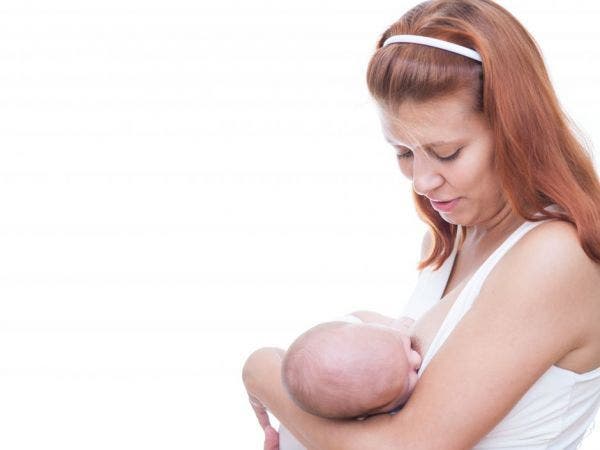
More than 4 out of 5 mothers in Michigan try nursing their baby at least once, but too many are giving up breastfeeding too soon, according to a new study released this week by the U.S. Centers for Disease Control. A number of factors drive the decision, including a lack of resources and support, according to the CDC's annual Breastfeeding Report Card.
Breastfeeding supports a child's growth and development, according to guidelines by the American Academy of Pediatrics. And the U.S. Surgeon General's Office notes the practice can prevent illness and reduce future health issues, including asthma, as well as the risk of sudden infant death syndrome.
The CDC's annual survey of breastfeeding rates in each state is released during National Breastfeeding Month.
Find out what's happening in Grosse Pointefor free with the latest updates from Patch.
The U.S. average is 81.1 percent of mothers breastfeeding at least once. Michigan is at 80.8 percent and ranked No. 31 in the nation, tying with Nebraska.
The survey shows progress across the country. But, at six months, nearly half of all mothers surveyed had stopped breastfeeding altogether. And only 22.3 percent were exclusively breastfeeding at six months, as recommended.
Find out what's happening in Grosse Pointefor free with the latest updates from Patch.
Michigan By the Numbers
Of mothers surveyed in Michigan:
- 80.8 percent are breastfeeding at least once
- 51.6 percent are breastfeeding at six months
- 26.6 percent are breastfeeding exclusively at six months
- 31.8 percent are breastfeeding at 12 months
Those numbers are up compared to Michigan’s results in the 2007 survey. At that time, only about 36 percent of mothers in the state were breastfeeding at six months, and only about 8 percent were breastfeeding exclusively. When their babies were a year old, only about 19 percent were breastfeeding.
Changes in Michigan Law
Two years ago, Michigan Gov. Rick Snyder signed legislation intended to prevent discrimination against breastfeeding mothers.
What the Breastfeeding Anti-Discrimination Act means is that Michigan’s nursing mothers no longer have to retreat to a public restroom or worry about being thrown out of businesses or risk indecent exposure charges.
“Breastfeeding is a natural act with many proven benefits,” Snyder said when he signed the bills in 2014. “By supporting new mothers we help ensure good infant health, reduce infant mortality rates and prevent obesity.”
More: One of the Last Holdouts, Michigan Finally Protects Nursing Mothers
The various pieces of legislation that now make Public Acts 197-199 of 2014 were sponsored by Sen. Rebekah Warren, D-Lansing, and Rep. Amanda Price, R-Lansing.
Michigan was one of the last states to reform its laws, but public accommodations for breastfeeding often draw opinions and occasionally nasty comments from those people around nursing mothers
Target supports breastfeeding in any area of the store, but a man lashed out at a nursing shopper in Torrington, Connecticut, in June. The mother recorded the man's rant and posted it on Facebook, noting that other shoppers and staff eventually intervened to protect her.
Several mothers staged a "nurse-in" at a Limerick, Pennsylvania, YMCA in May. The event was in solidaritywith a mother who was told by staff to relocate while nursing her child, reportedly because she was making "men in the room uncomfortable."
Other Barriers
The CDC hopes the state-by-state Breastfeeding Report Card will encourage all involved in the child's first year to encourage mothers to breastfeed — including politicians. The report goes beyond breastfeeding rates and looked at barriers to continued nursing.
More: The Best and Worst States for Breastfeeding Moms
In some instances, it begins with a lack of information and support provided to the mothers and families at the hospital, according to the CDC. Other cases involve a lack of space, equipment or accommodations to properly breastfeed and pump breast milk once mom has returned home or is back at work.
“Mothers can better achieve their breastfeeding goals with active support from their families, friends, communities, clinicians, health care leaders, employers, and policymakers," said Dr. Ruth Petersen, director of the CDC’s Division of Nutrition, Physical Activity, and Obesity.
The CDC helps educate hospital staff through the "Best Fed Beginnings" program and has online resources to help individuals and entire industries support breastfeeding mothers. For its part, the U.S. Office on Women's Health offers employer solutions and "The Business Case for Breastfeeding."
Four female pilots with Frontier Airlines filed a lawsuit earlier this year. They claimed that, among other harmful policies, they weren't given accommodations for breastfeeding and pumping milk.
Breastfeeding-Friendly Place Awards
Several county health departments give awards that recognize pediatrician offices, employers and businesses that take extra steps to support breastfeeding mothers.
In Oakland County, the the health division’s Women, Infants, and Children program partnered with the Oakland County Breastfeeding Coalition to present the second annual Breastfeeding-Friendly Place Awards.
This year’s recipients are The Mind Body Collective, Waterford (business); Southfield Pediatric Physicians PC, Bingham Farms (pediatrician office category); and the City of Novi Police Department (employer category).
“Businesses, employers, and pediatrician offices that support breastfeeding mothers are helping to develop healthy children,” Kathy Forzley, Health Division health officer, said in a statement. “Breast milk is a natural first food and contains all the nutrients that newborns and infants need.”
Written by Greg Hambrick with additional reporting by Beth Dalbey
Image via Shutterstock
Get more local news delivered straight to your inbox. Sign up for free Patch newsletters and alerts.