Health & Fitness
With Heat Wave, Don't Forget to Hydrate
Not only is hydration vital when you exercise but imperative in near record-breaking temperatures. Here are some facts about hydration, electrolytes and outdoor exercise.
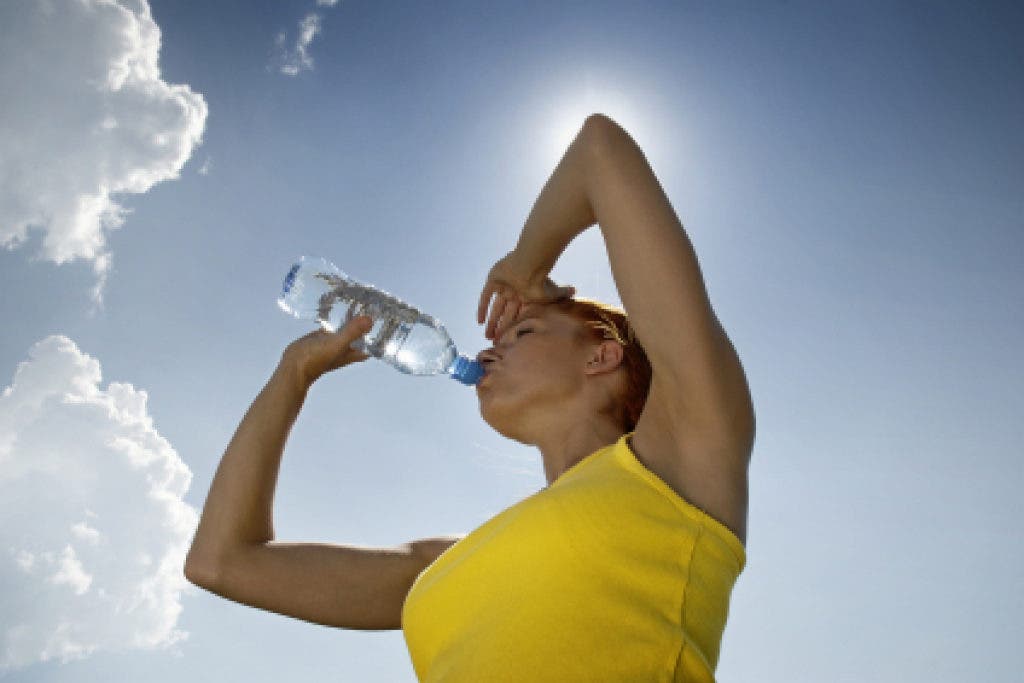
Michigan is experiencing a heat wave this week which leads me to a very important topic ... hydration! Not only is it vital when you exercise but imperative in near record-breaking temperatures. Here are some facts about hydration and electrolytes:
What does water do in our body?
- Helps regulate body temperature through sweating
- Assists in digestion
- Assists in moving oxygen, glucose and fat to muscle tissue and removing waste products from the muscle tissue
How does dehydration affect our bodies?
- Can cause a drop in blood volume which forces the heart to work harder
- Can lead to muscle cramps, dizziness, fatigue and heat stroke/exhaustion
- Loss of aerobic performance with as little as 1-2 percent weight loss
When and how much should I drink?
- 15-20 ounces two to three hours before exercise
- 8-10 ounces 10-15 minutes before exercise
- Start drinking before you're thirsty during a workout. Drink approximately 8-10 ounces for every 15 minutes of activity.
- After a workout, drink 20-24 ounces for every 1 pound of body weight lost during a workout.
- Learn your own body and how much fluid you lose or need to take in during a workout. We're all different and have different fluid needs!
Key facts about electrolyte balance
- Sodium, potassium and magnesium are the most common and important electrolytes.
- Electrolytes help tell our muscles when to fire.
- Hyponatremia (over hydration or too low of electrolyte concentration) can result from excessive sweating/fluid loss and a lack of electrolyte intake. Water alone is not enough to rehydrate you on the warmest of days and/or if you're a heavy sweater.
If you're exercising outside …
- Limit exercise or strenuous physical activity to the coolest parts of the day, early morning or late evening.
- Wear loose-fitting clothing that's both lightweight and light in color. Choose
clothing that draws perspiration away from the skin, such as cotton T-shirts or shorts. Newer perspiration-wicking fabrics also are effective. - Don't overdo it. Start slowly and increase your pace gradually. In weather
that's extremely hot and humid, don't exercise at too high a level. What is
normal on a cool day might be dangerous on a hot day. - Wear sunscreen. It's harder for the body to keep sunburned skin cool.
Consider wearing a wide-brimmed hat to keep the sun off the face and head.
Sunscreen helps protect the skin from sunburn and keeps a person cooler, too.
We hope this gives you some insight as to importance of proper hydration and exercise and helps keep you safe during these hot and muggy summer days.