Schools
How to Become a Teacher (Even Without an Education Background) in Michigan
Career changers can pursue teaching certification in Michigan through alternative routes designed for working adults.

This is a paid post contributed by a Patch Community Partner. The views expressed in this post are the author's own, and the information presented has not been verified by Patch.
A degree in business, communications or any other field can be a strong foundation for a new career in education. This is good news for those wondering how to become a teacher without an education degree in Michigan. The state is always seeking promising educators from diverse backgrounds and offers flexible certification opportunities designed for those managing work and family responsibilities.
The Real Questions Career Changers Ask About Teaching in Michigan
Your existing undergraduate credentials in any subject can lead to instructor licensure through Michigan's state-recognized pathways. These are official routes governed by the same rigorous standards as traditional education degrees, meaning you're pursuing legitimate credentials that lead to state-issued certification.
You won't need to abandon your current job or start a second four-year degree from scratch. Because these options are specifically designed for working adults, they accommodate your existing obligations while allowing you to transfer credits from your previous coursework. Timeline and cost concerns make sense when you're managing multiple priorities, yet completion becomes achievable with federal financial aid remaining available regardless of your age.
A genuine opportunity exists now as you take your next step. Michigan districts facing staff shortages reported a 3% vacancy for full-time teaching positions in fall 2024, with urban areas experiencing even higher rates. Schools in the state are eager for qualified educators who bring real-world experience to their classrooms.
Your Step-by-Step Path to Teacher Certification in Michigan
Understanding which options exist and how they align with your circumstances will help you move from career professional to certified educator.
1. Consider a Combined Degree and Certification Pathway
Certain options merge degree completion with the credentialing process into a single streamlined track. At The University of Olivet, students pursuing their undergraduate work can transfer up to 90 credits from previous coursework or recognized prior learning while embedding certification directly into degree classes.
The school delivers its Teaching Pathway in partnership with #TEACH, a CAEP-accredited educator preparation provider. Students major in integrative studies with an education concentration plus an area of interest such as elementary education, math or science.
According to the university, these options "reverse the traditional sequence," allowing you to take a different route into teaching, where you "begin as a paid teacher first and receive mentoring and training while working."
The University of Olivet has awarded degrees since 1863 and holds accreditation from the Higher Learning Commission. "A student can graduate with a bachelor's degree and become a full-time teacher with the assistance of an alternative route to certification program," said Suzanna Flood, Assistant Professor of Education and Program Director for Teaching Pathways.
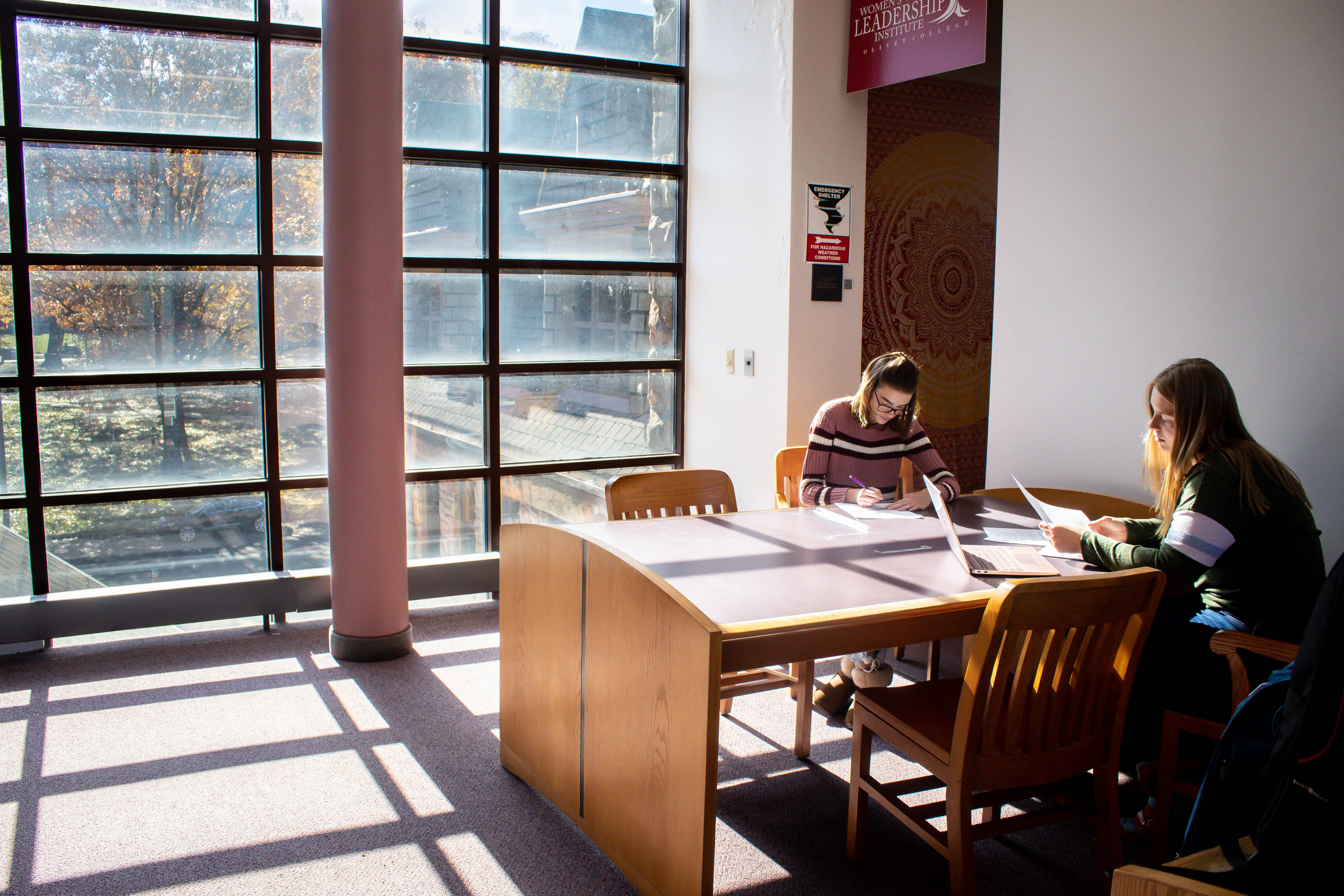
2. Look for Program Flexibility That Fits Your Life
Because you may juggle a full-time job or care for children and aging parents who depend on you, it is important to find an option that adapts to your schedule. Online classes let you study after the kids go to bed or during lunch breaks, while self-paced formats accommodate unpredictable work schedules.
Evening sessions suit those who prefer in-person instruction after work hours. Weekend classes provide another alternative for professionals who can't attend during the week. Many providers design their offerings specifically for working adults rather than traditional students, which means you won't need to restructure your entire life around a rigid academic calendar.
3. Map Your Timeline to Certification
How quickly you finish depends largely on your individual situation. If you completed most of an undergraduate degree years ago, you'll face fewer prerequisites than someone starting fresh. Accelerated formats move faster than traditional semester schedules, while part-time enrollment extends the timeline.
Your available study time each week also directly impacts completion speed. For instance, someone dedicating 15 to 20 hours weekly will progress faster than someone who squeezes in five hours between other obligations. Transferring credits from your previous coursework can further reduce the total time investment.
4. Get Clinical Experience Support While You Learn
Although stepping into a classroom for the first time can feel daunting, clinical field practice serves as a supportive training ground. You'll gain hands-on experience in real PreK-12 classrooms under the guidance of a seasoned instructor who demonstrates effective methods and lesson planning strategies.
A university supervisor provides additional mentoring throughout your placement while answering questions as challenges arise. You're not left to figure out classroom management or instructional techniques on your own. Instead, skilled educators offer constructive feedback and help you build confidence before you take on a classroom independently.
5. Explore Michigan's Alternative Certification Options and Requirements
For individuals who already hold undergraduate degrees in fields outside education, Michigan maintains state-approved options specifically designed for career changers. These options address child development, psychology, diverse learners and instructional methods through curricula requiring at least 12 credit hours of training in essential competencies. You'll also gain field-based practice in real school settings.
Beyond an undergraduate degree in any discipline, you need a cumulative GPA of 3.0 or higher, plus a clean background check. After finishing the coursework and field work and passing the Michigan Test for Teacher Certification in your subject area, you will be eligible to apply for an Interim Teaching Certificate.
6. Budget for Affordability and Financial Aid
Federal student aid doesn't disappear when you're no longer a traditional college student. With no age limit on receiving federal support, almost everyone qualifies for some assistance based on their financial situation.
You'll still need to submit the Free Application for Federal Student Aid (FAFSA) just like any other student. Because the deadlines and process for FAFSA support match those for recent high school graduates, watch submission dates closely to avoid missing out on available funding. You should also contact financial aid offices directly to discuss scholarships, grants or payment plans that could reduce your out-of-pocket expenses beyond federal assistance.
Frequently Asked Questions
When exploring educator pathways, many individuals share similar concerns about eligibility, process and timeline.
Can you become a teacher in Michigan with a non-education degree?
Michigan welcomes those who already hold undergraduate credentials in other fields. You'll need to finish additional coursework focused on instructional methods, child development and classroom practice. After satisfying these criteria and passing the appropriate exams, you can earn licensure even though your original degree wasn't in education.
What is an alternative teacher certification in Michigan?
Alternative teacher certification in Michigan provides a pathway for adults with existing undergraduate credentials to become licensed instructors without earning a second degree in education. State-approved options mandate specific training hours in pedagogical competencies and supervised classroom practice. Candidates become eligible for an Interim Teaching Certificate after meeting all criteria.
How long does it take to get certified in Michigan?
Timelines vary based on how many transferable credits you've already earned, how much time you can dedicate to classes each week and whether you choose an accelerated or traditional format.
Take the Next Step Toward Your Teaching Career
Teacher certification pathways in Michigan without an education background make the shift achievable for motivated professionals ready to make a positive impact on young people. Your diverse work experience will enrich your future classroom, while alternative routes offer practical ways to reach your goal. Research options that match your schedule and explore financial aid that fits your budget.
This post is an advertorial piece contributed by a Patch Community Partner, a local brand partner. To learn more, click here.