Politics & Government
Diversion Program Points Young People in the Right Direction
The Northville Youth Assistance Diversion Program allows youthful lawbreakers to work on solutions to their bad behavior – and it provides them with an opportunity to avoid the legal system.
Teenagers aren’t known for making the best decisions, and sometimes, what starts off as a dare or a lark turns into a crime.
In these instances, Northville teens often get two choices: endure the callousness of the Juvenile Court system or successfully complete the requirements of the Northville Youth Assistance Diversion Program.
Designed to address offenders younger than 18, the diversion program comprises five- or six-week individual programs aimed at providing teens with an opportunity to address their behavior through counseling — and pay their debt to society through community service.
Find out what's happening in Northvillefor free with the latest updates from Patch.
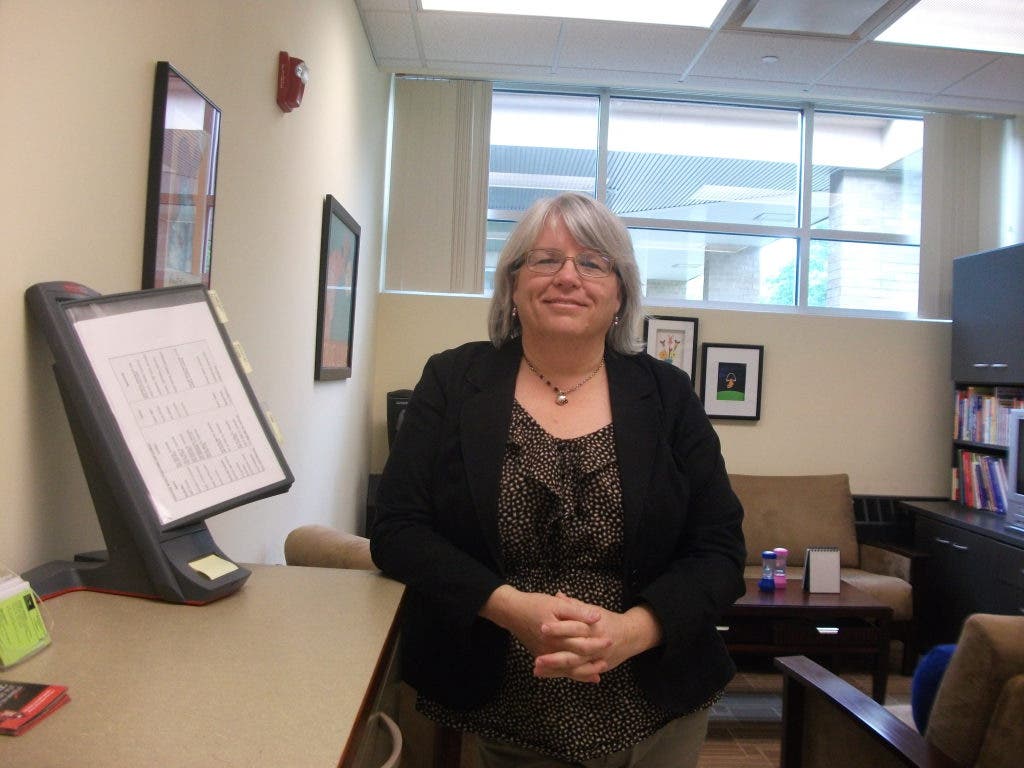
“The diversion program is one way we can get to the root of what led a young person to commit a crime and have them make amends,” said Sue Campbell, director of Northville Youth Assistance.
The individual programs focus on anger management, decision-making, alcohol and tobacco awareness and retail fraud. Teens who find themselves in the program typically have committed crimes such as shoplifting, harassment, alcohol or drug possession or larceny. More serious assaultive crimes must go through the legal system.
Find out what's happening in Northvillefor free with the latest updates from Patch.
Depending on their infraction, teens may be required to complete one or more of the individual programs. After teens complete individual programs, they see one of two contract social workers once a week for six weeks, then once every two weeks, or every month, for 12 weeks. Partcipants are in the program for six months. They also complete eight to 20 weeks of community service.
Only when they successfully complete the program are their legal troubles considered resolved.
The advantage of the program for teens is that they get support in a clinical setting; an additional advantage for parents is that the service is free.
“Generally, parents respond really well because they don’t have to go to court,” said Campbell. “But for the teenagers, they get to address family issues and other problems — and they get to choose their community service to learn more about that they can contribute and how they can replace a resource that they took from the community.”
Teens on the edge
Young people are referred to the diversion program by several entities, including the , the , and the 35th District Court. The program is open to all teens who attend Northville Public Schools, which includes some residents of Novi.
The program is paid for by Youth Assistance, which operates on a $141,000 annual budget; 80 percent of that is paid by the township, and 20 percent is paid by the city.
Campbell said diversion caseloads skyrocketed after the school district laid off its drug counselor.
From January-May 2005, only four students were referred to the program. In 2011, that number jumped to 32 for the same period. Of those offenses, 13 were drug-related.
Northville Police Chief Gary Goss said he believes the number of youth crimes in the city of Northville to be a low number for a community the size of Northville in comparison to other communities.
From 2009 to 2010, the city's youth crime rate dropped by 22 percent, from 49 incidents to 38, according to the city's data.
“Much of what we have is called ‘carhopping,’ where (young people) will go from car to car, looking for an open one with something inside of it they can take,” Goss said. “And because we have a downtown that’s a fun place to be, we see shoplifting among the young offenders.”
Goss said he knows many people would like to see every offender go through the court system, but he noted that in practice, it’s not always a good idea.
“That's like opening up a Pandora's box," Goss said. "There are other ways to look at this — sometimes, the kids need someone to talk to, or they need some tools to cope with peer pressure or stress.”
Diverting young people also helps the Wayne County Juvenile Court, which adjudicates 5,000 cases per year, according to the Wayne County Prosecutor’s Office.
Goss and Campbell said they cannot remember the last time they saw recidivism — relapse into criminal behavior — among the program participants.
Northville High School Principal Robert Watson said the diversion program is much-needed at the schools.
"Because we had to cut our drug and alcohol counselor, this program is more important now,” Watson said. “(The program) is an important step in helping students learn why they make [poor] decisions before something more serious occurs.”
For Campbell, the best part of the program is its local perspective.
“The diversion program allows us to take care of our own problems within our community,” she said. “We can settle things according to our own value system.”