Neighbor News
The Pros and Cons of Paying Off Your Mortgage
Not everyone is in a rush to pay off their mortgages. What makes some people choose to keep their mortgage around for a while?
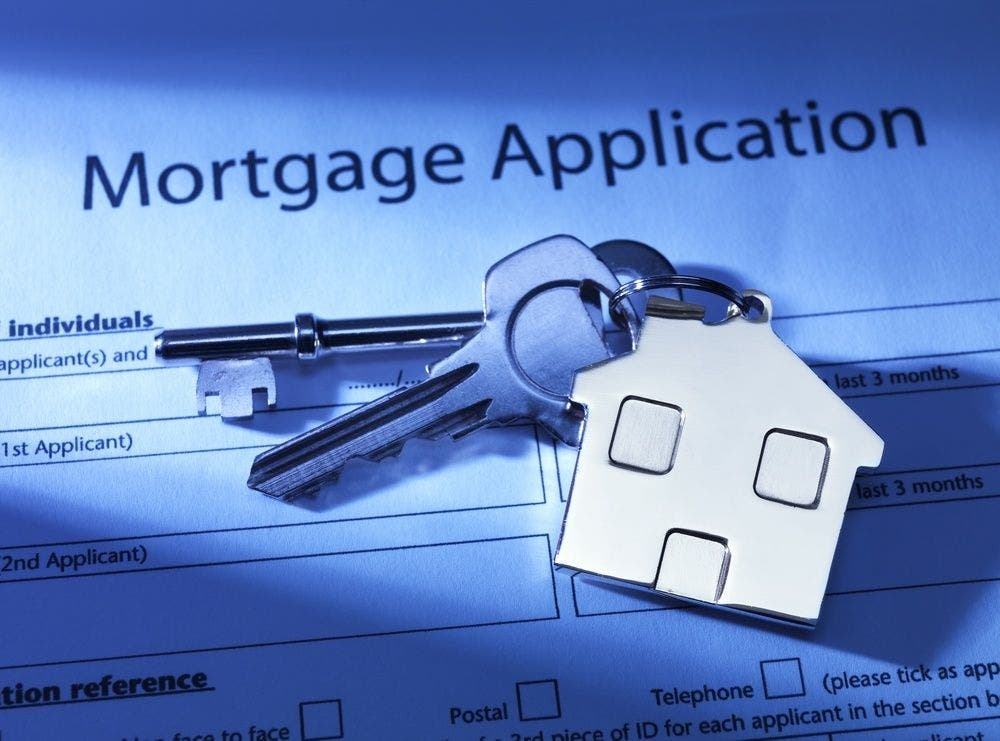
Buying a home is one of the most significant purchases a person makes in their lifetime. Becoming a homeowner is still a major part of the American dream and people are still willing to spend years working hard to save up money so they can buy the perfect home.
Since most people aren’t able to pay for a house in full at the time of purchase, becoming a homeowner typically means having to take out a mortgage. So while you might feel like you become a homeowner the day you get the keys to your home, your home doesn’t completely become yours until the day you fully pay off your mortgage, which can take decades. But is it really worth rushing to pay your mortgage off as soon as possible?
Once you make that final mortgage payment, you’ll have more money to keep in your pocket each month. If you end up facing an economic hardship, you won’t have to worry about potentially losing your home if your mortgage is fully paid off. And the sooner you’re able to pay off your mortgage, the less money you’ll have to pay on interest. So, why do some people choose to keep their mortgages around for a while?
Find out what's happening in Plymouth-Cantonfor free with the latest updates from Patch.
Although we are taught that debt is generally a bad thing that needs to be paid off as soon as possible, that’s not necessarily the case with mortgages. According to Genisys Credit Union, mortgages are an exception to that rule. In fact, there can actually be some financial advantages to having this type of debt.
Quicken Loans says that the primary reason why many people don’t rush to pay off their mortgages is because they like the tax benefits that come with having a mortgage. Since the government wants to encourage people to own homes, interest on mortgage payments is often tax deductible. For many people, this ends up being a fairly substantial deduction. However, the amount of interest you pay changes over time. You typically pay more interest at the beginning of a mortgage term than you do at the end, which means the amount you’re able to deduct will decrease over time. There’s also no guarantee that mortgage interest will continue to be tax deductible in the future.
Find out what's happening in Plymouth-Cantonfor free with the latest updates from Patch.
Depending on how far along you are in your mortgage term, choosing to keep your mortgage can actually let you focus on some of your other financial goals. It’s true that the sooner you pay off your mortgage, the sooner you’ll have one less payment to make each month. But if you’re not very far into your mortgage, it could take a long time to save up the money you need to pay off the balance. Remember that mortgages are a relatively inexpensive type of loan. Since the mortgage is secured by the home itself, banks and credit unions are able to offer lower interest rates on mortgages than they are for many other types of loans. If you have other financial goals you’d like to meet, like saving for retirement or paying off other debts with higher interest rates, choosing to take your time paying off the mortgage can let you work toward your other goals.
If you’re not sure whether or not you should keep that mortgage around for a bit longer ultimately depends on a lot of different factors. Speaking to a financial adviser will help you figure out whether or not it’s a smart financial decision for you.