Kids & Family
How Much Do You Give, Rochester?
A new report puts charitable contributions in perspective.


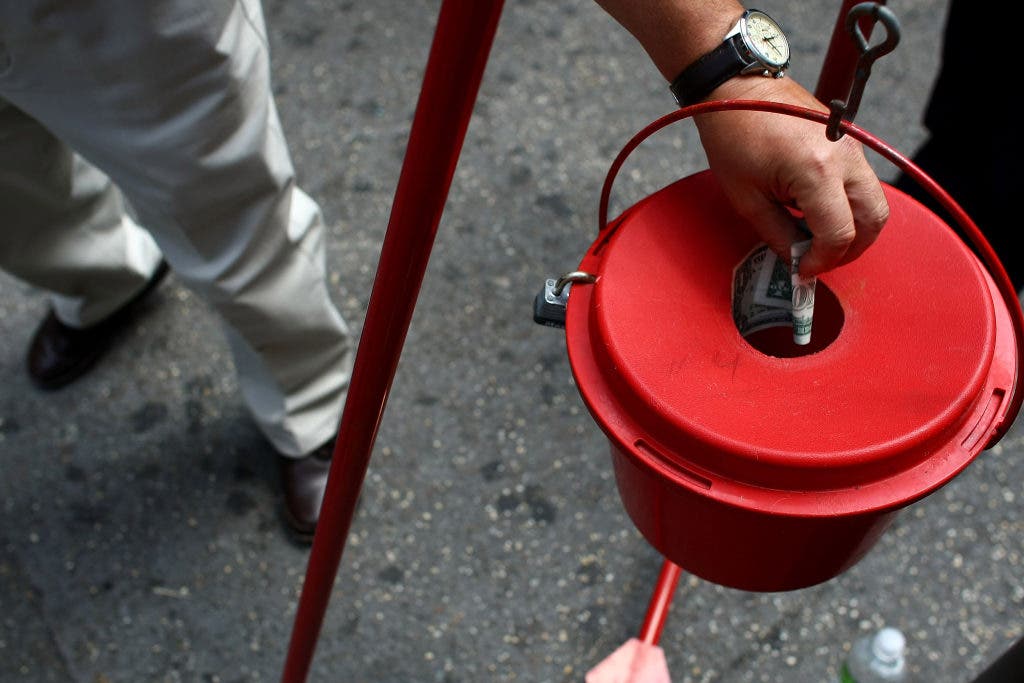
Whether it's money to local synagogues or churches, food banks or animal shelters, metro Detroit residents are givers.
Those are among the findings of a six-month project released this week by The Chronicle of Philanthropy researching "giving habits" of Americans. The research breaks down giving by ZIP code based on a year’s worth of IRS 1040 forms from households nationwide. The data is taken from 2008.
Giving in Rochester and Rochester Hills
Rochester and Rochester Hills residents gave 4.1 percent of their annual income to charity last year, according to the data. That's slightly less than the Michigan average of 4.5 percent and the national average of 4.7 percent.
Find out what's happening in Rochester-Rochester Hillsfor free with the latest updates from Patch.
According to an analysis of giving in three Rochester-area ZIP codes, these households contributed $71.5 million to charity. The median charitable contribution was $2,906.
Those living in the 48306 ZIP code (north of Tienken Road and south of Gunn Road) were responsible for 43 percent of the donations; in fact, that ZIP code ranked in the top 2 percent of all ZIP codes in terms of the amount of money given to charity.
Find out what's happening in Rochester-Rochester Hillsfor free with the latest updates from Patch.
Giving as a region
Metro Detroit ranked 14th overall among the 366 metro areas, giving about $1.8 billion during the time that was analyzed.
And at 22nd, Michigan overall was about in the middle of the pack when it comes to charitable giving, donating about 4.5 percent of income.
Across the country, Utah, Washington D.C., and Mississippi gave the most - 10.2 percent to 7.2 percent, respectively. The bottom three states were Maine, Vermont and New Hampshire, ranging from 2.8 percent to 2.5 percent, respectively.
Among other findings:
- Because of the current economy, charities are more strapped for cash than ever, which is fueling more charitable giving among neighbors.
- Those who live in more conservative, or "red states", are more generous than those in more liberal, or "blue states".
- Middle income people give more than the wealthy, especially if the wealthy live among the wealthy.
Paul Piff, a social psychologist at the University of California, Berkeley, told NPR that during his years of research he also has found that higher income people in diverse economic areas give more than those who live in wealthy areas.
"The more wealth you have, the more focused on your own self and your own needs you become, and the less attuned to the needs of other people you also become," he told NPR's Pam Fessler.
Get more local news delivered straight to your inbox. Sign up for free Patch newsletters and alerts.