Schools
Science experience spawns interest in Great Lakes Ecosystem
Avondale third-graders release salmon into local watershed
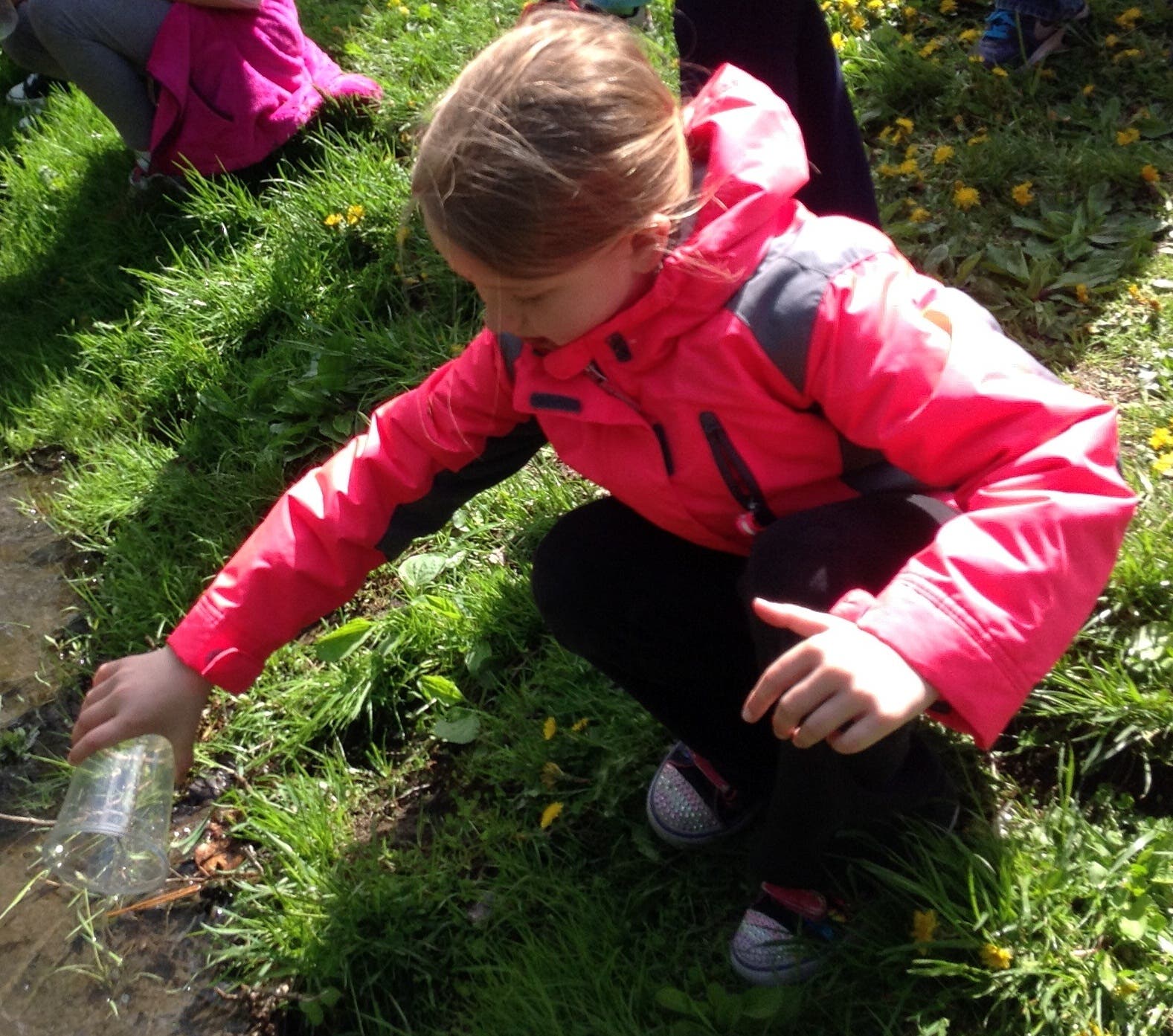
Third grade students at Auburn Elementary in Avondale School District participated in the Department of Natural Resource Salmon in the Classroom (SIC) program as a way to experience life science in the real world. The yearlong project enables elementary students to observe the lifecycle of the Chinook salmon from eye egg to smolt. The lessons began in November when Wolverine Hatchery delivered 200 eyed eggs to classroom teachers Linda Maniago, Mary Kay Frank and Lyn Moore. The students fed and raised the fish from fall through spring and then released them into the Clinton River in May.
In addition to raising and then releasing the fish, students also learned about the different physical characteristics of each Great Lake; their location in relation to the other Great Lakes; the Great Lakes ecosystem; and fisheries management. Maniago, in her 21st year with Avondale, feels that SIC is a great hands-on opportunity for the students, “it engages all types of learners - piquing their interest in a variety of ways. For some students the highlight of the project was the fish dissection while others were most interested in how salmon find their natal stream using their sense of smell. The program’s ability to appeal on some level to every student is why it works so well.”
Maniago adds that another reason the program works well and is so popular is because while it addresses the science being taught, it also demonstrates to the students the need for environmental stewardship. “One of the most important SIC lessons for the students – throughout the entire process - is why it is important to maintain the condition of our lakes and waterways. By the time spring arrives and it’s time for the release, the students understand that their salmon’s survival is tied to the health of the river’s ecosystem. The program helps them develop awareness and build ownership for taking care of their community.”
Find out what's happening in Rochester-Rochester Hillsfor free with the latest updates from Patch.
Since the mid 1990’s, approximately 200 schools each year are selected for the program which requires teachers to attend workshops; apply for special permits; and purchase, set up and maintain equipment according to DNR guidelines. They must also follow all instructions for the care and then release of the salmon. DNR specialist Natalie Elkins oversees SIC for the department and appreciates the way the program helps students make connections between the classroom and the real world. “SIC is a great place-based educational effort that ties right back to the kids’ communities. Students get invested in and excited about their local rivers and streams, knowing that the smolts they released may return to the very same spot in two to three years to spawn,” said Elkins. “That connection encourages a long-standing appreciation for Michigan’s natural resources.”
Additional information about the Department of Natural Resources Salmon in the Classroom is available at: https://www.youtube.com/watch?v=p0sVXJLfZc0.
Find out what's happening in Rochester-Rochester Hillsfor free with the latest updates from Patch.
b8