Community Corner
Bedeviled by Bedbugs, Man Sets Himself on Fire
Detroit is the most bedbug-infested city in the United States, according to a new ranking. What should you do to control them?


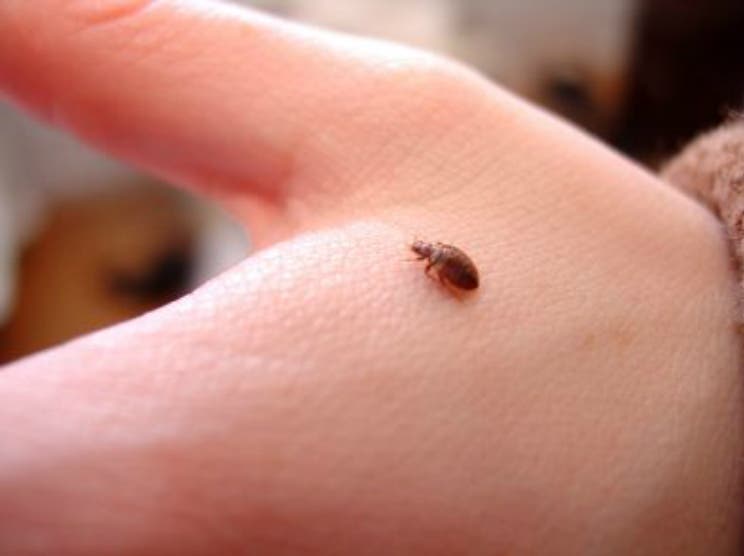
DETROIT, MI – A recent fire that destroyed four apartment units and damaged another dozen in Midtown Detroit — the the most bedbug-infested city in the United States — was started by a man so aggravated by bedbugs that he sprayed himself and his furniture alcohol and then lit a cigarette, authorities said.
The man was badly burned in the fire, which started in the eighth-story apartment around 4:30 a.m. Sunday, Jan. 3, at the St. Antoine Gardens apartment complex on Chrysler Drive, the Detroit Free Press reported Friday.
Find out what's happening in Royal Oakfor free with the latest updates from Patch.
“He was melting,” a neighbor, Johanahn Larsosa, told the Free Press. “I was scared. He was screaming.”
Dan Austin, a mayor’s office spokesman, told the Free Press the man is recovering at a Detroit hospital.
Find out what's happening in Royal Oakfor free with the latest updates from Patch.
Bedbugs are regularly found in the apartment complex, residents told the newspaper. A management official declined to comment.
Detroit gets its dubious bedbug distinction from the pest-control company Terminix, which released its sixth annual ranking last week.
The Top 15 most bedbug-infested cities (and their ranking in 2015) are:
- Detroit, MI (4)
- Philadelphia, PA (1)
- Cleveland-Akron, OH (15)
- Los Angeles, CA (14)
- Dayton, OH (not ranked in 2015)
- Chicago, IL (5)
- Columbus, OH (8)
- Cincinnati, OH (2)
- Dallas-Forth Worth, TX (7)
- San Francisco-Oakland-San Jose, CA (not ranked in 2015)
- Denver, CO (12)
- Toledo, OH (not ranked in 2015)
- Oklahoma City, OK (not ranked in 2015)
- Baltimore, MD (9)
- New York, NY (3)
Eradicating them won’t be easy, the the U.S. Environmental Protection Agency says, because they are good hiders, reproduce quickly and are resistant to treatment in the egg stage. Controlling them can take weeks or months, and people who live in multiple-unit dwellings will need to get their neighbors’ cooperation.
Here are some tips from the EPA:
- Remove what you can from the room and place items that can’t be treated in a sealed plastic bag. Be patient. It could take up to a year for the pests to die.
- If you can’t get the bedbugs out of your furniture, rip the covers are remove stuffing so someone else won’t be tempted to take it into their home. Use spray paint to mark the furniture as bedbug-infested. Call your trash collection agency and ask them to pick up the items as soon as possible.
- You may be tempted to skip preparation and jump right into the treatment — whether you’re doing it yourself or hiring a professional. The EPA lays out a full preparation plan here, but some steps include reducing clutter, making your bed an island (move it six inches from the wall; remove all bed bugs, larvae and eggs from the bed, frame and headboard; use bedbug proof mattress and boxspring encasements; buy bedbug interceptors at a home store), and cleaning thoroughly.
- Vacuum thoroughly, then remove and dispose of the bag in a sealed plastic bag and place it immediately in the trash outside.
- Heat treat clothing, bedding and other items that can withstand a hot dryer (at least 30 minutes on high heat), which will kill the bedbugs and eggs. Then store the clean items in a sealed plastic bag so they won’t become re-infested.
- Remove and clean drapes and the drapery hardware.
- When it comes time to kill the bedbugs, find out what’s legal and what’s not for more information.
- If you’re skittish about using chemicals, some non-chemical methods are effective, such as heat treatment using the clothes dryer, placing items in black plastic bags that are set in the sun or in a closed car. Cold treatment can also be effective. Place items in a freezer set to zero degrees Fahrenheit and leave them there for four days. (Always use a thermometer to check the temperature, since home freezers are not always set to zero)
- You may need pesticides. Follow label directions, or hire a pest management professional. Look for EPA-registered pesticides specifically listing bedbugs as among the pests the compound will control. Foggers are effective, but also present a health hazard or cause a fire or explosion. Also, the spray won’t reach the cracks and crevices where bedbugs hide.
- After your initial cleanup and treatment, keep looking for evidence of bedbugs. If you see them, it means your efforts weren’t successful or eggs have hatched. Finding and removing and killing all eggs can be difficult, and another treatment may be necessary.
- If repeated treatments are needed, consider using pesticides with different modes of action. Desiccants (drying agents) can be particularly effective in some situations since they work by drying out the bug (which means the bed bugs can’t develop resistance to it).
- Continue to look for bedbugs at least every seven days, in case any escaped treatment, and continue to implement preventive measures.
- Here are some other resources: Bed bugs: Do-it-Yourself Control Options from Texas A & M AgriLife Extension; Bed Bug Control in Residences from the University of Minnesota; and Bed Bugs Integrated Pest Management in and Around the Home from the University of California.
Get more local news delivered straight to your inbox. Sign up for free Patch newsletters and alerts.