Community Corner
Macomb County Health's St. Clair Shores Office Accepts Unwanted Prescription Drugs
Residents are encouraged to dispose their unwanted medications to reduce the chance of accidental poisonings, misuse and abuse.


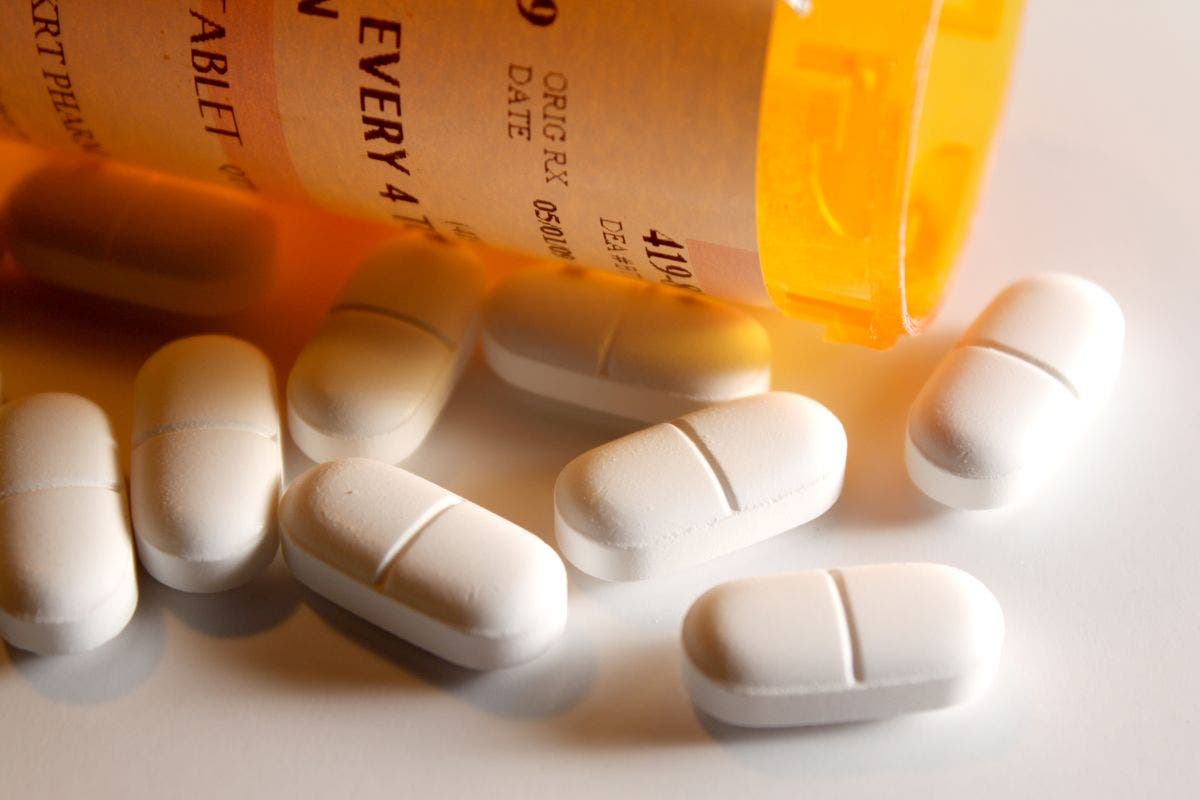
ST. CLAIR SHORES, MI — America's opioid drug epidemic has hit Michigan hard, and health departments, government and law officials are working to change the culture. To reduce the chance of accidental poisonings, misuse and abuse, Macomb County residents can drop off expired or unwanted prescription and over-the-counter medications at Macomb County Health's St. Clair Shores office from 8:30 a.m. to 5 p.m. Monday through Friday.
The St. Clair Shores office, the Warren office, the main Health Department office in Mount Clemens and 10 participating pharmacies throughout Macomb County will provide this service.
Residents are encouraged to clean out their unwanted medications by dropping them off at listed disposal sites. People are asked to refrain from flushing unwanted medicines down the drain or throw them in the trash because of concerns with contamination of drinking water supplies.
Find out what's happening in St. Clair Shoresfor free with the latest updates from Patch.
The following Macomb County Health Department locations and pharmacies will accept unwanted medications:
- Macomb County Health Dept. at 43525 Elizabeth Rd., Mount Clemens
- Macomb County Health Dept. at 27690 Van Dyke Ave., Warren
- Macomb County Health Dept. at 25401 Harper Ave., St. Clair Shores
- Armada Pharmacy at 23032 E. Main St., Armada
- Compounding Solutions Pharmacy at 8170 23 Mile Rd., Shelby Township
- Doctor's Pharmacy at 18801 Ten Mile Rd., Roseville
- Frank's Pharmacy at 39023 Harper Ave., Clinton Township
- Memphis Drugs at 80850 Main, Memphis
- Orchard View Pharmacy at 12150 30 Mile Rd., Suite 104, Washington Township
- Sav-On Pharmacy at 43500 Van Dyke Ave., Sterling Heights
- Sav-On Phil’s Pharmacy at 35 N Walnut St., Mount Clemens
- Sunshine Pharmacy at 43614 Garfield Rd., Clinton Township
- Value Center Pharmacy at 37155 Harper Ave., Clinton Township
Controlled substances — such as Vicodin, OxyContin, Ritalin, etc. — cannot be accepted at these collection sites. Click here for a list of local police departments and the Sheriff's Office who accept narcotics.
Find out what's happening in St. Clair Shoresfor free with the latest updates from Patch.
Michigan ranks 10th nationally in per capita prescription rates of opioid pain relievers, and 18th in the nation for all overdose deaths. And a report released by the state Department of Health and Human Services in March discovered drug overdose deaths rose 14 percent in Michigan in 2014, which is the latest year for which statistics are available.
Michigan lost more people to drug overdoses than car accidents in 2014. Fatal car accidents claimed half as many lives as drugs.
In 2014, the highest amount of drug overdose deaths occurred in Wayne County. Countywide, 322 people died, with 132 people in Detroit. Macomb County reported 249 people who died from an overdose that year.
“We know in Michigan that we’ve seen a huge spike in prescription pill abuse,” U.S. Attorney Barbara McQuade of the Eastern District of Michigan said at a press conference in 2015, according to a Detroit Free Press report. “We’ve also seen a serious resurgence in heroin as addicts turn to that as a cheaper alternative for their opioid addiction. That has resulted in some very significant problems in Michigan and we seem to be exporting our problems to other states.”
According to a study released by Columbia University's Mailman School of Public Health in September, adults in the United States are now more likely to develop an addiction to prescription opioids than they were in years past, according to Science Daily.
People ages 18 to 25 are 37 percent more likely to become dependent on prescription opioids in 2014, compared to in 2002. The risk of an opioid use disorder increased from 11 to 24 percent among 26 to 34 year olds.
The state is taking multiple measures to decrease the opioid abuse epidemic, such as:
- Gov. Rick Snyder created the Michigan Prescription Drug and Opioid Abuse Commission in June help curb prescription drug and opioid abuse. The Task Force team is made up of state and independent health experts who will monitor indicators of controlled substance abuse and diversion, make recommendations to the governor for actions involving licensing, law enforcement, and substance abuse treatment. They'll also run prevention and education matters.
- Take-back events, such as the one happening in Macomb County this week. A take-back event that took place at Pioneer High School in Ann Arbor earlier this month collected about 89,500 unwanted pills. Science Daily reported that surgery was the most frequent reported reason as to why people had opiods to turn in. The oldest opioid pill turned in at the event was prescribed in 1990.
- Earlier this month, the state Senate approved legislation that allows Michigan schools to have a narcotic medication — naloxone, otherwise known by its brand name of Narcan — on hand in case a student overdoses at school, The Monroe News reports.
- A new $1.4 million per year, five-year grant from the Michigan Department of Health and Human Services, and equal funding from U-M, named the Michigan Opioid Prescribing Engagement Network launched Oct. 24. The team is focused on encouraging safer prescribing across Michigan, since surgeons prescribe 40 percent of the opioids in the state, Science Daily reports.
Photo courtesy of Shutterstock
Get more local news delivered straight to your inbox. Sign up for free Patch newsletters and alerts.