Community Corner
Killer Shrimp Poses Big Threat to Great Lakes
Michigan DNR takes aim at aggressive predator, and other invasive species that can disrupt the ecological balance of the Great Lakes.


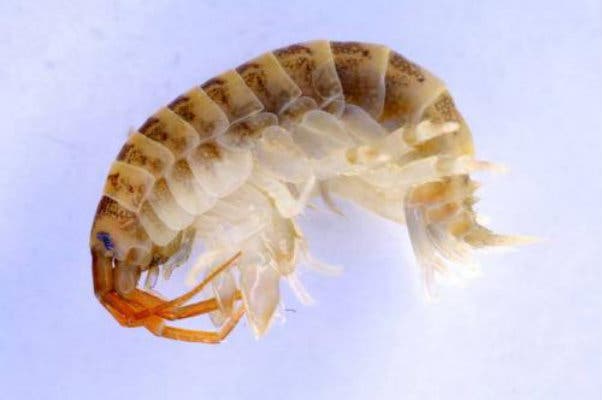
At only an inch at maturity, a species the Michigan Department of Natural Resources has called a severe threat to the ecological balance of the Great Lakes looks innocuous enough.
But the killer shrimp (Dikerogammarus villosus), one of seven species added to the DNR’s aquatic invasive species, is anything but harmless, the DNR said in a news release.
Aggressive predators that prey on a range of invertebrates, the fast-growing crustaceans have large – for a shrimp – powerful mouths that can shred other species their size and decimate entire populations.
Find out what's happening in Trenton Grosse Ilefor free with the latest updates from Patch.
They’re only on the prohibited species list at this point, meaning they are generally not present or are found in only restricted areas. The nasty shrimp’s reputation precedes it, and the DNR wants to keep it that way.
Killer shrimp spread rapidly throughout western Europe and created widespread ecological disruption, sending some species to the brink of extinction.
Find out what's happening in Trenton Grosse Ilefor free with the latest updates from Patch.
“They have a really big mouth and claws, and they literally shred their prey,” Nick Popoff, Aquatic Species and Regulatory Affairs manager for the DNR, told the Detroit Free Press. “They are very aggressive in any of the systems that they get into.”
The decision to add the seven species to the prohibited list came during the Nov. 6 meeting of the Natural Resources Commission, where DNR Director Keith Creagh signed Invasive Species Order Amendment No. 1 of 2014.
Prior to this order, there were 33 aquatic species listed as prohibited or restricted. The following species were added to the prohibited species list:
- Stone moroko – part of the minnow family, this species is a known carrier of a parasite that can negatively impact other fishes.
- Zander – a close relative of the walleye, this species could compete with the native fish or reproduce with it and create a hybrid.
- Wels catfish – this fish is considered a serious danger to native fish populations.
- Killer shrimp – this species is an aggressive predator and could severely threaten the trophic levels of the Great Lakes by preying on a range of invertebrates.
- Yabby – this large crayfish would negatively impact other crayfish species.
- Golden mussel – similar to zebra and quagga mussels, this species has destructive qualities that would threaten native biodiversity.
- Red swamp crayfish – this species can quickly dominate waterbodies and is virtually impossible to eradicate.
The DNR also elevated the rusty crayfish from the prohibited to restricted classification to allow for their limited possession for the purpose of destroying them for consumption, fertilizer or trash.
To make it to a prohibited or restricted list, a species must not be native to Michigan. Restricted species are generally widespread and naturalized within the state, as is the case with the rusty crayfish. Regulations previously didn’t allow for the collection of them for consumptive purposes.
“Crayfish trapping is a growing activity in Michigan and allowing our anglers to enjoy some table fare while assisting to remove an invasive species is a win/win,” Popoff said.
The DNR’s order comes following a meeting of the governors of each of the Great Lakes states committing to blocking the spread of 16 “least wanted” aquatic invasive species through prohibitions and restrictions.
Nine of the 16 already were prohibited in Michigan under the Natural Resources and Environmental Protection Act; six more were designated as prohibited with the signing of this order. The remaining “least wanted” aquatic invasive species are plants, and the Michigan Department of Agriculture and Rural Development d is expected to add water soldier as a prohibited species through the Commission of Agriculture and Rural Development in January.
For more information on Michigan’s fight against aquatic invasive species, visit www.michigan.gov/invasivespecies. Information about these additional species can be found in the Order and will be posted on the DNR’s invasivespecies webpage this week.
______
Photo of killer shrimp via Creative Commons
Get more local news delivered straight to your inbox. Sign up for free Patch newsletters and alerts.