Community Corner
Puppies Dying at 'Alarming Rate' from Parvovirus
Puppy deaths epidemic Pontiac, but the virus won't stop at the city limits – especially as summer heats up, animal welfare group warns.


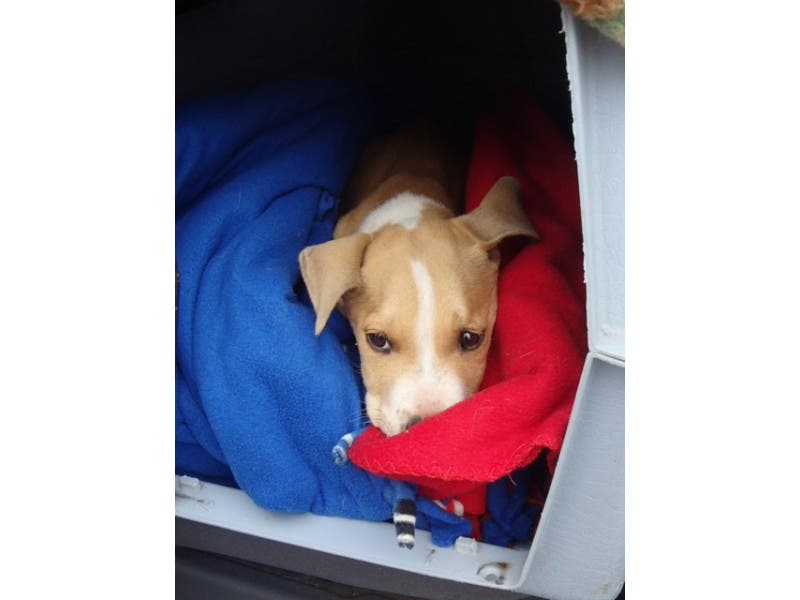
This puppy contracted the deadly parvovirus, but didn’t survive. Puppies are especially vulnerable, but any member of the canine family is susceptible to the highly contagious viral disease. (Photo submitted)
The deadly parvovirus is causing puppies to die an “alarming rate” in the Pontiac area – and the highly contagious disease isn’t likely to stop at the city’s borders,an animal welfare group is warning.
Find out what's happening in Trenton Grosse Ilefor free with the latest updates from Patch.
Pam Porteous, manager of the Animal Care Network, a division of the Michigan Animal Adoption Network, said “parvovirus never really stops in our target area,” according to a news release.
The virus, which can be prevented with a vaccine, “knocks the puppies and dogs dead all year round but gets worse in the summer,” Porteous said.
Find out what's happening in Trenton Grosse Ilefor free with the latest updates from Patch.
Her group has tracked its spread for nearly 20 years.
“Nearly 300 out of 700 streets (in Pontiac) have had puppies and dogs die of the virus,” she said. “And these are just addresses on streets that we are aware of.”
The virus, which is spread through dogs’ feces, survives searing heat and subzero temperatures for up to six months to a year, even after the feces has been removed, Porteous said.
That means people who have stepped in dog feces or driven over it in their vehicles could be inadvertently spreading it. It could also be lurking on food bowls, clothing, carpet and floors, according to the ASPCA.
“If you have a friend that had a puppy with parvo and you are visiting at your friend’s house, you can easily take the virus home to your dogs on your shoes,” Porteous said. “If you are walking your dog in an area where an infected dog was, your dog will be exposed.”
Unvaccinated dogs often contract the virus on the streets, especially in urban areas where there are many dogs, the ASPCA said.
Symptoms of parvo, as the viral disease is often called, include lethargy, severe vomiting, loss of appetite and bloody, foul-smelling diarrhea that can lead to life-threatening dehydration. When dogs start exhibiting those symptoms, it’s time for a trip to the veterinarian, but even with the best vet care, it may be too late.
Puppies, adolescent dogs and unvaccinated dogs are most vulnerable. Rottweilers, Doberman pinschers, Labrador retrievers, American Staffordshire terriers and German shepherds are most vulnerable, but all members of the canine family – including wolves, coyotes and foxes – are susceptible.
The ASPCA says the best way to prevent the disease is to vaccinate dogs.
Get more local news delivered straight to your inbox. Sign up for free Patch newsletters and alerts.