Troy, MI|Local Classified|Gigs & Services|

Michigan Industrial Cleaning Costs, What Businesses Need to Know Before Hiring a Professional
Industrial facilities operate in demanding environments where dirt, dust, grease, residue, and waste are part of daily operations. Whether it is a manufacturing plant, warehouse, processing facility, automotive plant, or distribution center, keeping the workplace clean is essential for safety, productivity, equipment performance, and regulatory compliance. One of the most common questions facility managers ask is how much Michigan industrial cleaning costs and what factors influence pricing.
The answer is not always simple because every facility has unique needs. Understanding what goes into pricing can help companies budget effectively and choose the right contractor for their specific requirements. This guide explains the major factors that affect industrial cleaning costs and why investing in professional cleaning services often delivers significant long term value.
Why Industrial Cleaning Is Different From Commercial Cleaning
Many people assume industrial cleaning is similar to standard commercial cleaning, but the two services are very different. Commercial cleaning typically focuses on offices, retail spaces, and public areas. Industrial cleaning involves cleaning environments that contain machinery, production equipment, tanks, processing systems, high ceilings, manufacturing residue, and potentially hazardous materials.
Industrial facilities often require specialized equipment, trained technicians, safety certifications, and detailed cleaning procedures. The complexity of these environments means that pricing is based on much more than the size of the building alone.
Because industrial operations vary significantly from one facility to another, cleaning costs can differ dramatically depending on the scope of work involved.
Factors That Influence Michigan Industrial Cleaning Costs
Several factors determine the overall cost of an industrial cleaning project.
- Facility size is one of the first considerations. Larger facilities naturally require more labor, equipment, and time. However, square footage alone does not determine pricing. A smaller facility with difficult access points or heavy contamination may cost more to clean than a larger facility with relatively light cleaning requirements.
- The type of contamination also plays a major role. Dust removal, equipment washing, grease removal, sludge cleanup, and chemical residue removal all require different cleaning methods. Some materials can be removed quickly while others demand specialized techniques and extensive labor.
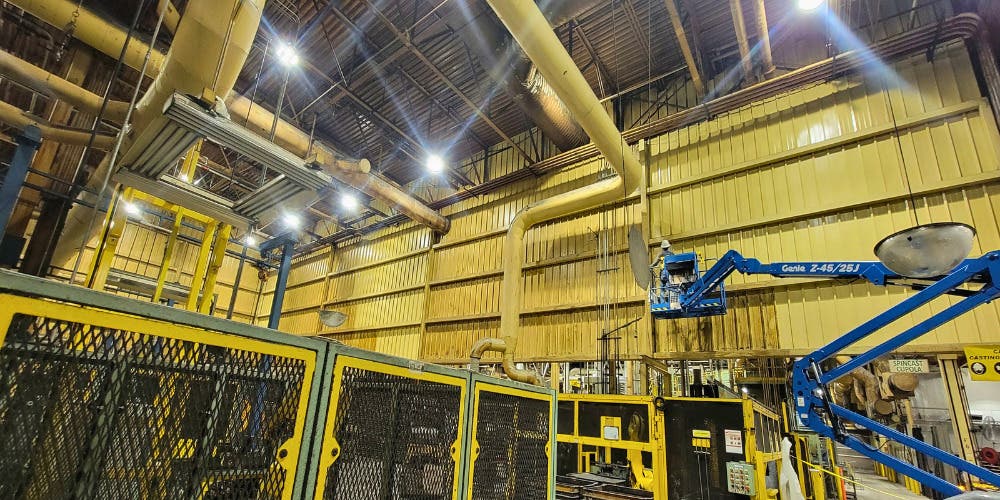
- Accessibility is another important factor. Cleaning floors and open work areas is generally straightforward. Cleaning elevated structures, ceiling beams, ductwork, storage tanks, and confined spaces requires additional safety precautions and specialized equipment, which increases project costs.
- The condition of the facility can also impact pricing. Facilities that receive regular maintenance typically require less labor than facilities where buildup has accumulated for months or years.
Michigan Industrial Cleaning Costs, What Businesses Need to Know Before Hiring a Professional