Business & Tech
Home Sales In Burnsville Up 15 Percent Over Last Year But Property Values Remain Fickle, Unpredictable
Despite increases in distressed housing and fluctuating values, Burnsville property values are some of the most stable across the Twin Cities
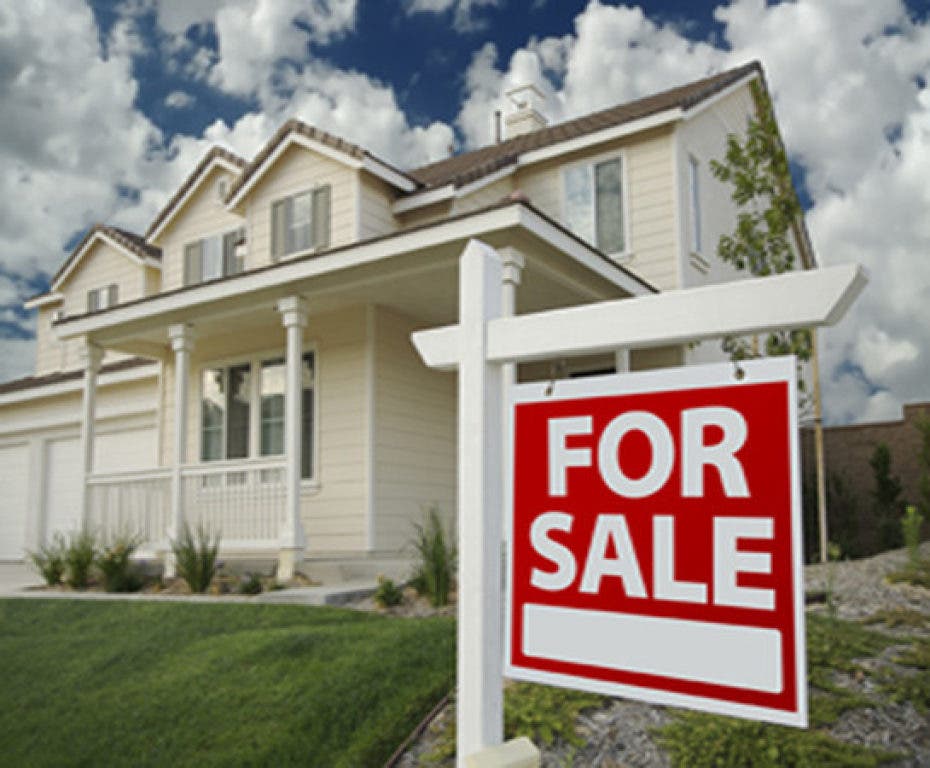
According to figures recently released by the Minneapolis Area Association of Realtors (MAAR), home sales in Burnsville are up 15.3 percent over the first quarter of last year.
Burnsville real estate professionals sold 143 homes between Jan. and March this year, a figure that has increased from 124 sales over the same time period in 2010.
Sales increased even more significantly when comparing the figures from just the month of March. In March last year, local real estate agents sold 59 homes but in 2011 that figure increased to 74 sales—a 25.4 percent improvement.
Find out what's happening in Burnsvillefor free with the latest updates from Patch.
“The real significance of those first quarter numbers is that the economic stimulus was in place last year,” local real estate guru Richard Tucker explained. “To me that is a very good indication that we’re seeing the beginning phases of economic recovery.”
Tucker is the president-elect of the St. Paul Area Association of Realtors (SPAAR) and the vice president of Burnsville’s branch of .
Find out what's happening in Burnsvillefor free with the latest updates from Patch.
But while the number of home sales in Burnsville looks promising, there are still several causes for concern in the city’s real estate market.
For example, the median sales price—the price at which half the homes cost more, and half cost less—of a home in Burnsville between the first quarter of 2010 and 2011 dropped almost 6 percent from $164,000 in 2010 to $155,000 today.
The average cost of a home in the city dropped almost 15 percent from $182,484 to $155,667 over the same time period. And, to make matters worse, sellers were getting almost 93 percent of their original list price when they sold in 2010, now they’re getting just 89 percent.
But Bill Campbell, president of Burnsville’s , is not worried about the fickle nature of property values.
“Those numbers are probably due to foreclosed homes. Foreclosures are usually starter homes and first-time buyer homes,” Campbell explained. “Housing values can go up and down because they’re based on market values, and like any commodity, the price is driven by what the market will pay. As long as people are buying, it’s a good thing. When people stop buying in a community, then it becomes a problem.”
While property values are likely to continue fluctuating throughout 2011, Matt Ebbighausen, a Burnsville-based real estate broker with iMetro Property, is not expecting a dramatic shift over the next 12 months.
“I expect we will continue to see prices decline in most markets. Once lenders get back on track with their foreclosure filings we are going to see an increase in inventory and I believe there is going to be less demand from buyers,” Ebbighausen explained. “In fact, mortgage purchase applications are (already) seeing a decrease.”
But for potential Burnsville homeowners looking to take advantage of deflated property values in the city, Ebbighausen says Federal Housing Authority (FHA) financing is the best way to make it happen.
“The median down payment needed now for a home purchase is about 15 percent. This is a hurdle for most people,” Ebbighausen explained. “The best opportunity for first-time buyers to get into a new home is FHA financing (which offers) a 3.5 percent down payment.”
Burnsville’s bad but beating the norm
Although the MAAR housing numbers for Burnsville are not necessarily cause for celebration, the city’s property market is in better shape that much of the metro area.
The only bright spot in the Twin Cities’ first-quarter statistics was the number of closed sales which was up almost 1 percent across the metro area. The statistic was encouraging but paled in comparison to Burnsville’s 15.3 percent in the same category.
Other than closed sales, the Twin Cities real estate market continued its downward spiral in the first quarter of 2011.
New listings plummeted almost 25 percent compared to the first quarter of last year, pending sales decreased almost 11 percent and the median sales price of a home in the Twin Cities dropped almost 12 percent.
“This is a comparison to last year, which was a tax incentive year,” MAAR communications director Greg Sax said. “So the numbers are going to be down, no matter what. At the same time, we are seeing that lender-mediated properties are still dominating the market. We’d like to see fewer of those, but it is what it is.”
The other regional numbers painted an even more dismal picture:
The median sales price for a new home dropped from $162,000 in the first quarter of 2010 to $143,000 in 2011.
The percentage of the original list price fell from 93.5 percent in 2010 to 88.4 percent in 2011. In other words, houses listed for $100,000 tended to sell, on average, for $88,400.
The average number of days between when a property is first listed to when an offer is accepted swelled from 132 days in the first three months of 2010 to 153 days in the first quarter of this year.
The number of new listings fell from 23,754 in the first quarter of 2010 to 17,845 during the same period this year. That number included newly listed lender-mediated homes -- foreclosures and short sales.
In spite of the numbers, Cari Lynn, president-elect of MAAR, expressed optimism.
“Layoffs have decreased, and we are building on 13 consecutive months of job growth, which bodes well for local real estate,” Lynn said in a statement. “In addition to new housing demand, we should eventually see the mortgage delinquency rate drop and fewer distressed sales pressuring prices downward.”
Sax also pronounced the real estate industry “cautiously optimistic” about the upcoming summer and fall.
“That’s where we feel like we’ll start to see some relief,” he said. “It isn’t going to be extreme, but it won’t be as trying as last summer.”