Crime & Safety
Minnesota's Adult Obesity Went Up In 2016
Minnesota's obesity rate still continues to be lower than other Midwestern states including Iowa, North Dakota, South Dakota and Wisconsin.


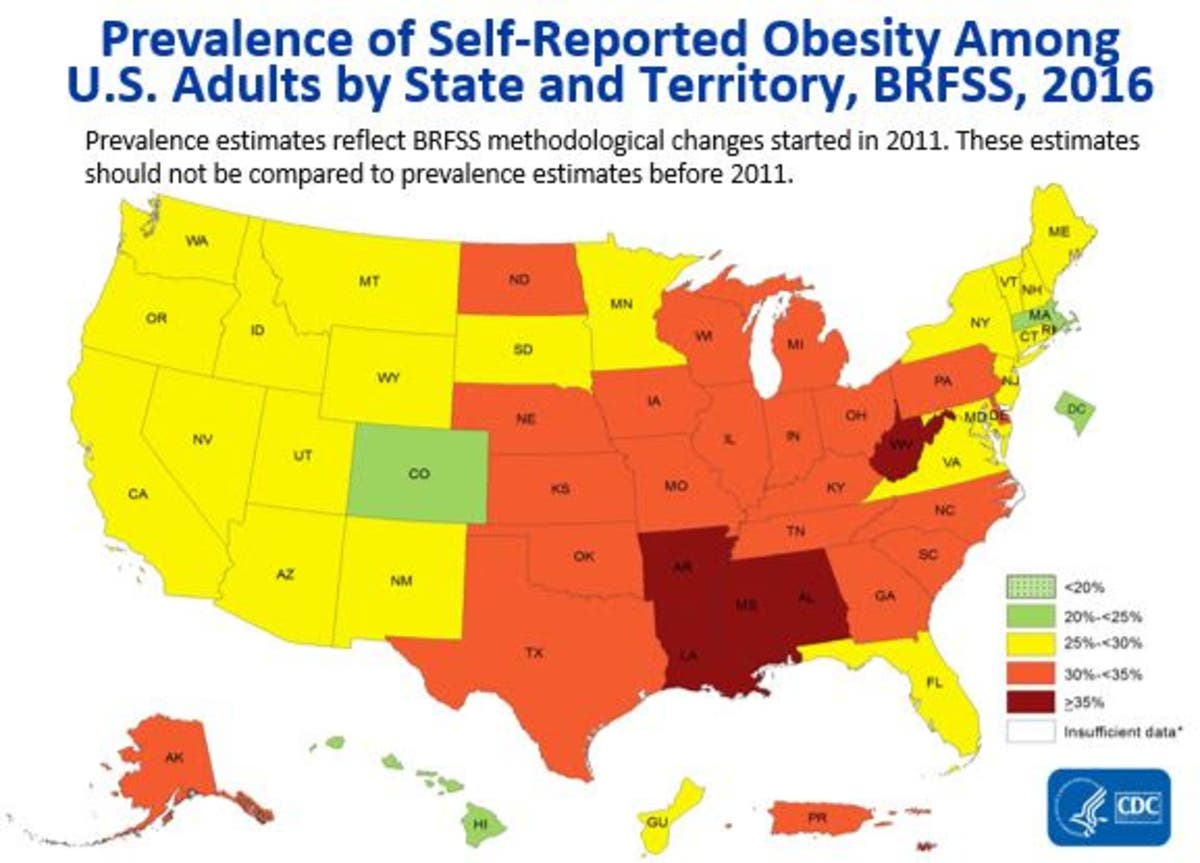
Minnesota’s adult obesity rate grew in 2016, but continues to be lower than the national average. Minnesota's 27.8 adult obesity rate in 2016 was lower than the median U.S. obesity rate of 29.8 percent. Minnesota’s obesity rate continued a historic trend of being lower than other Midwestern states including neighbors Iowa, North Dakota, South Dakota and Wisconsin.
The state's adult obesity rate continues to hover slightly above 25 percent, going from 27.6 percent in 2014, to 26.1 percent in 2015 to 27.8 percent in 2016, according to data released Thursday by the Centers for Disease Control and Prevention (CDC).
Minnesota spent $2.8 billion on obesity-related health care costs in 2009. Recognizing the need to control health care costs driven in part by rising obesity rates, the Minnesota Legislature enacted the Statewide Health Improvement Partnership (SHIP) in 2008.
Find out what's happening in Burnsvillefor free with the latest updates from Patch.
(For more local news, click here to sign up for real-time news alerts and newsletters from Minnesota Patch, click here to find your local Minnesota Patch. Also, follow us on Facebook, and if you have an iPhone, click here to get the free Patch iPhone app.)
CDC released 2016 state and territory-specific data on adult obesity prevalence using self-reported information from the Behavioral Risk Factor Surveillance System. Health officials say people who are obese face an increased risk for a range of serious diseases and health conditions, including high blood pressure, Type 2 diabetes, stroke, coronary heart disease and some cancers.
Find out what's happening in Burnsvillefor free with the latest updates from Patch.
Minnesota’s obesity rate has remained relatively stable at just above 25 percent since 2007, according to a news release. MDH researchers also analyzed CDC obesity data from 2015 and 2016 and found that physical activity and diet continue to have a significant influence on Minnesota’s obesity rates.
According to 2016 BRFSS data, Minnesotans who reported some physical activity in the past 30 days had a lower obesity rate than those who did not (25.6 percent compared with 37.9 percent, respectively).
MDH researchers also found that economic well-being affects obesity, according to a data brief at the MDH obesity quick facts page. Minnesotans who rarely worried about having enough money for food and housing had significantly lower obesity rates.
Based on 2015 data, Minnesotans who rarely worried or stressed about having enough money for housing and nutritious meals had an obesity rate of about 25 percent compared to a 33 percent obesity rate for Minnesotans who were stressed about money for food and housing.
Image via Centers for Disease Control and Prevention
Get more local news delivered straight to your inbox. Sign up for free Patch newsletters and alerts.