For a dazzling white smile, whitening toothpastes are a popular choice for young and old alike. Easy to use and affordable, whitening toothpastes are abundant on the toothpaste aisle. Many consumers think they should boost the cleaning and preventative power of their toothpaste with whitening power as well.
Why not you ask? What you might not realize, however, is that these types of toothpastes can in some cases cause more harm than good. Read on to learn how they work, when they should be used and recommendations on abrasiveness.
How Whitening Toothpastes Work
Whitening toothpaste contains abrasives that grind away stains on the teeth, making the enamel smoother and the teeth appear brighter. Whitening toothpastes may also include special chemicals to clean away stains on teeth.
Whitening Toothpastes: Not for Daily Use
At George Dental Group, we recommend you use whitening toothpaste only one to two times per week for short periods of time. When used excessively, or over a long periods of time, whitening toothpastes can actually damage teeth. This harm is caused when significant enamel is lost due to the abrasiveness of the toothpaste.
What’s ironic is that enamel loss can also cause your teeth to become stained more easily - the exact opposite of your goal in using whitening toothpastes! In addition, increased stains due to enamel loss can age the appearance of your teeth and smile. What’s worse is that tooth enamel lost from the use of whitening toothpastes cannot be restored.
Choose a Whitening Toothpaste Wisely
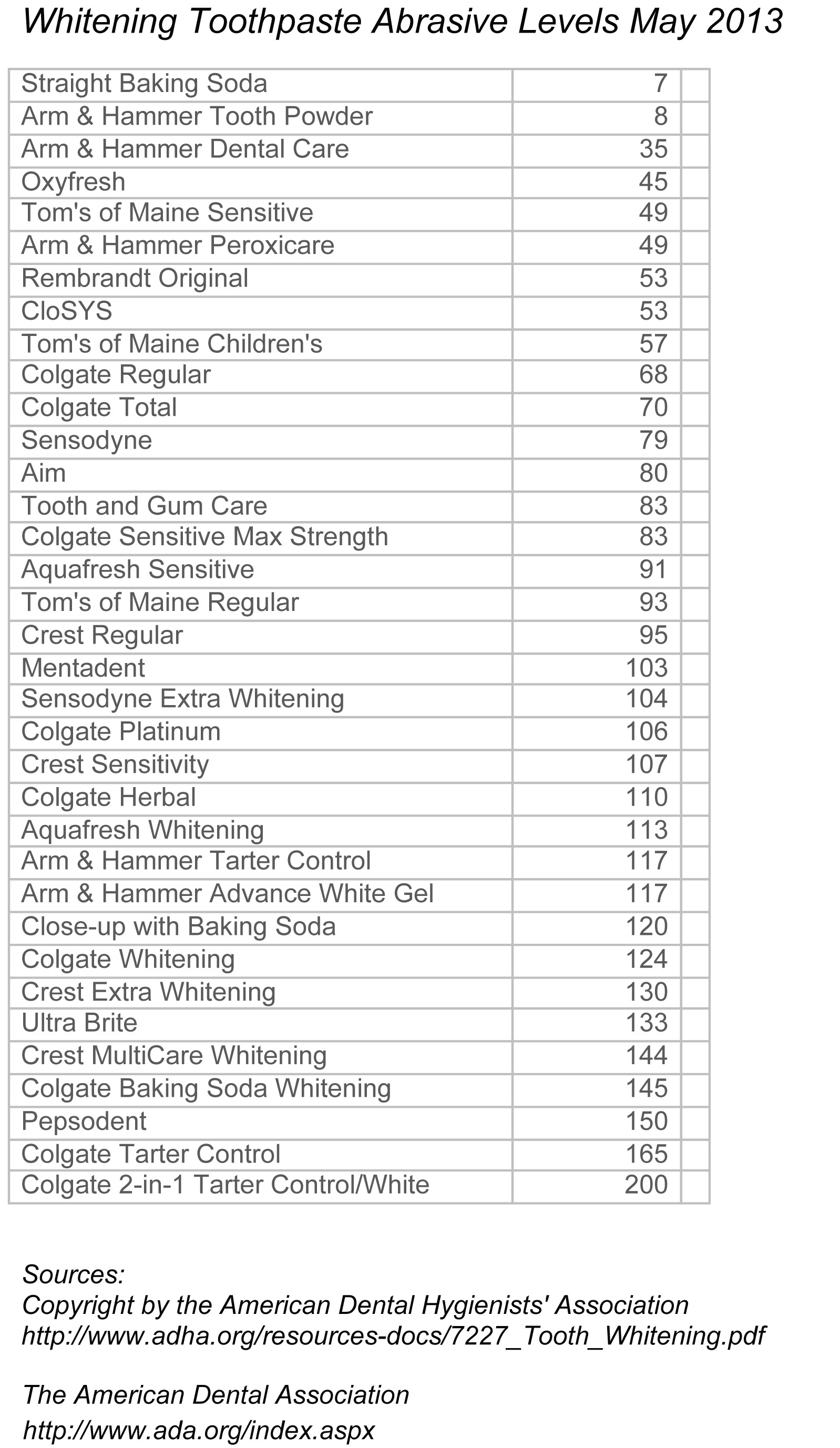
When you choose to brush with a whitening toothpaste, the American Dental Association recommends using toothpastes with an abrasive level of 100 or less. Whitening toothpastes range from mild to quite severe. Where does yours rate? See chart to find your toothpaste.