Neighbor News
Financial Empowerment Takes a Village
Recognize the challenge of financial well-being during Financial Literacy Month
You have likely heard the statistics. Most Americans can't pass a basic financial literacy quiz, they aren't saving enough for retirement, and they consider money to be a top source of stress.
Perhaps more so than any other factor, our economy hinges on personal financial knowledge and informed decision-making. Without understanding the fundamentals, we can make financial mistakes that range from frustrating to life-altering.
For those living paycheck to paycheck or struggling to get by, the stakes are especially high. A recent study from Pew Charitable Trusts shows that low-income families have the equivalent of less than two weeks’ worth of income in checking and savings accounts and cash at home. Many young adults are in the same boat. We’ve found in our own research that nearly four in ten have no savings at all.
Find out what's happening in Eaganfor free with the latest updates from Patch.
Here in Minneapolis-St. Paul, there are efforts afoot to address this challenge. One way we support the community from a philanthropic perspective is through financial education presentations from senior executives at the bank, such as those running our financial centers, in which we discuss budgeting, savings and credit practices with our non-profit partners, most recently presenting to Northside Achievement Zone.
Find out what's happening in Eaganfor free with the latest updates from Patch.
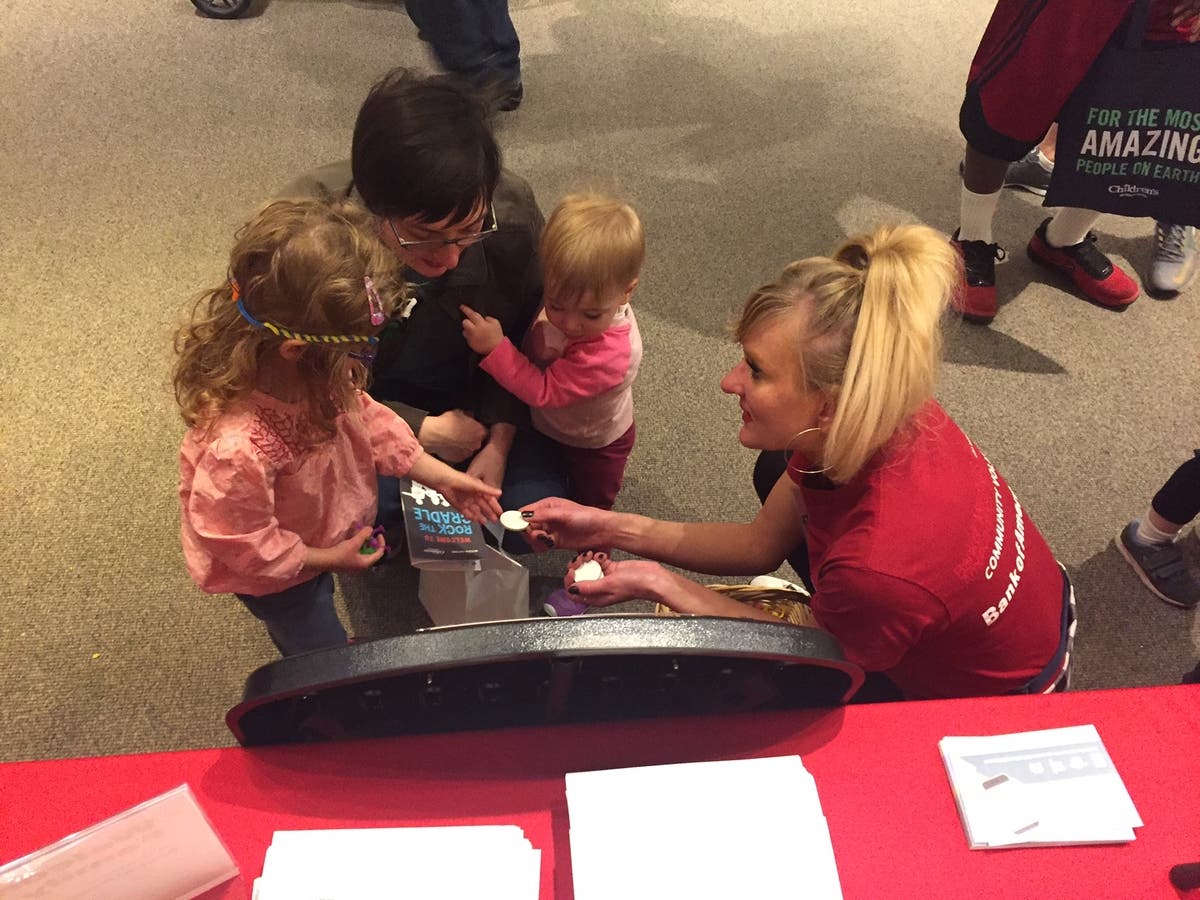
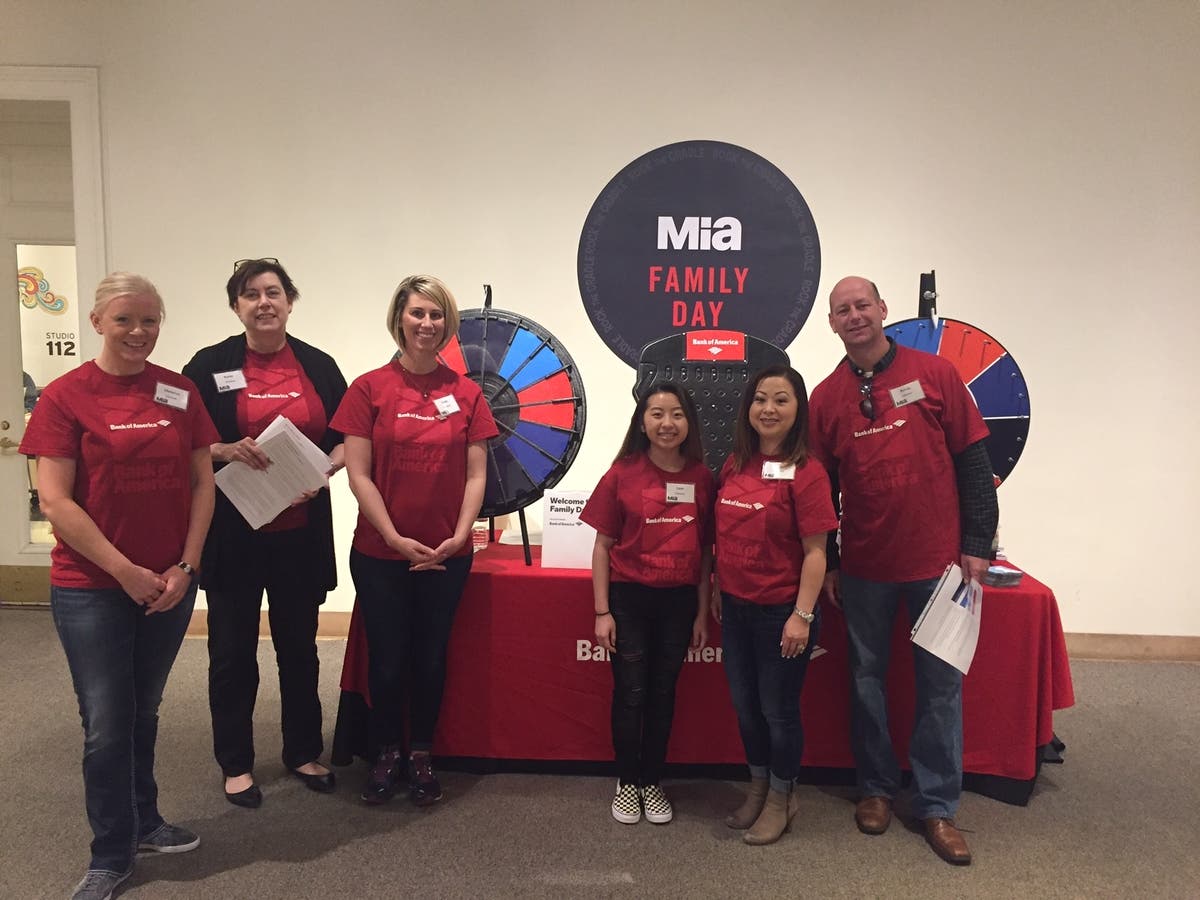
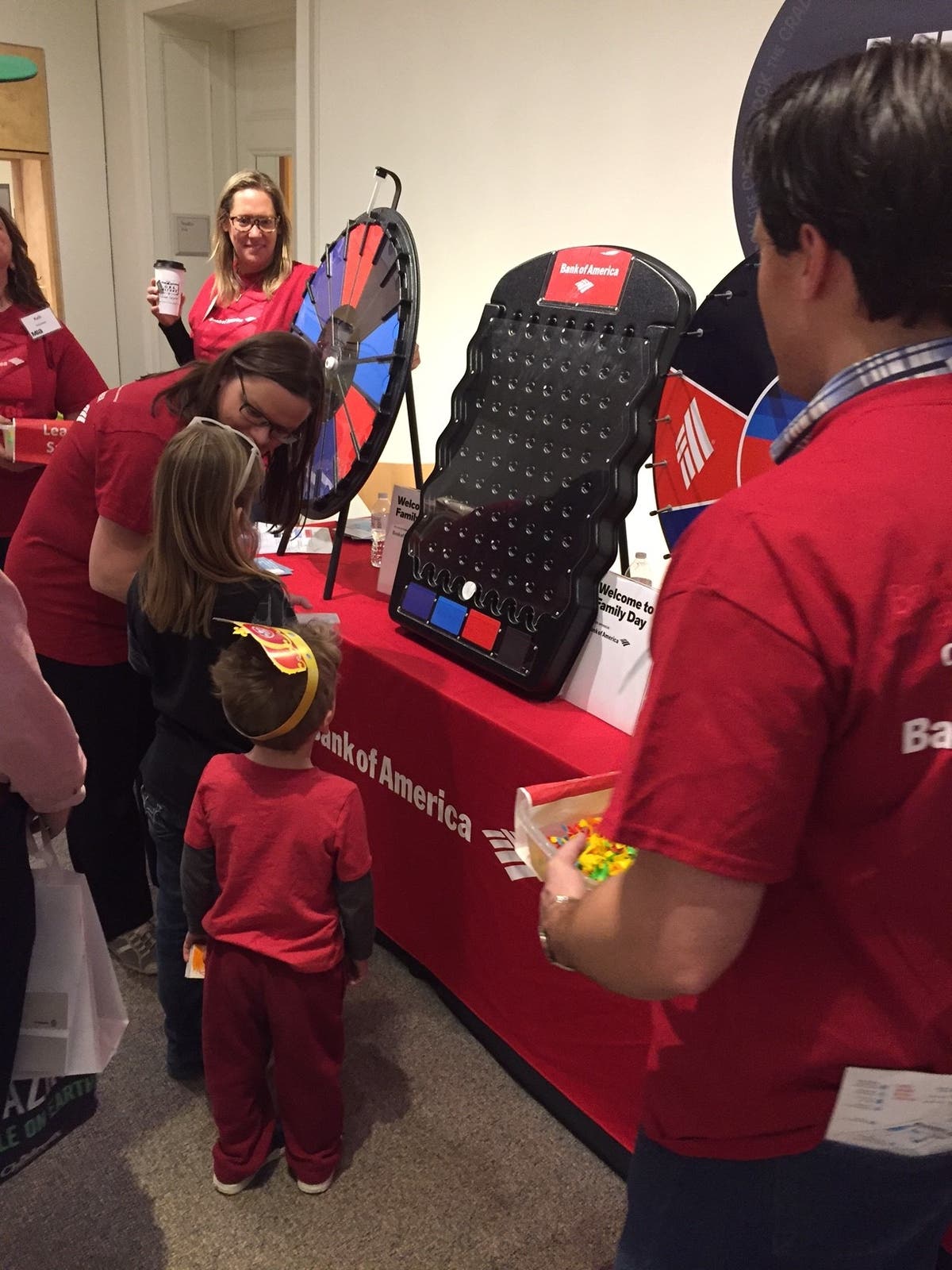
Additionally, Through Better Money Habits®, our financial education initiative, we are supporting communities by enabling personal and financial health and growth. Here in Minneapolis-St. Paul, we engaged with youth during Family Days at the Minneapolis Institute of Art, a free, monthly event for children and adults to engage in art experiences to prompt curiosity and critical skill development through hands-on activities. As part of the event, we played financial literacy-inspired games with children and their parents, as well as handed out themed prizes. Bank of America is proud to partner with local institutions that are continually making an effort to highlight the importance of financial literacy within our community.
As part of our financial education efforts, we as a community need to ensure that our schools continue and grow efforts to prioritize financial education—both by advocating for required courses and properly equipping our teachers with the knowledge and resources that they need to succeed. But we know that schools can’t go it alone, and that’s where both public and private partnerships come into play. As community leaders, we need to make sure that local non-profits like College Possible have the resources they need to operate—sometimes that is through financial support, but many times it is ensuring that non-profits and community partners are aware and taking advantage of the tools and resources local corporations already have—and actively talking to their constituents about them. This could be in the form of great financial education content that discusses what to do if you’re in a financial bind or it could be telling them about a loan that might be available to them or an affordable housing option.
Given that April is Financial Literacy Month, it is a good time to step back, recognize the scope of this challenge and double down our efforts to improve financial well-being in the Minneapolis-St. Paul community. We should listen closely to those who need our support the most, identify the right resources and best channels to reach them and make sure they are fully empowered to take control of their financial futures.
Maggie Zborowski is the Vice President and Financial Center Manager of Bank of America in Minneapolis-St. Paul
*Source: Pew Charitable Trusts Report, Young Americans and Money Report