Health & Fitness
Wilderness in the City: Winter Writing Tour: of Mud Beds, Bee Dances and Hibernation
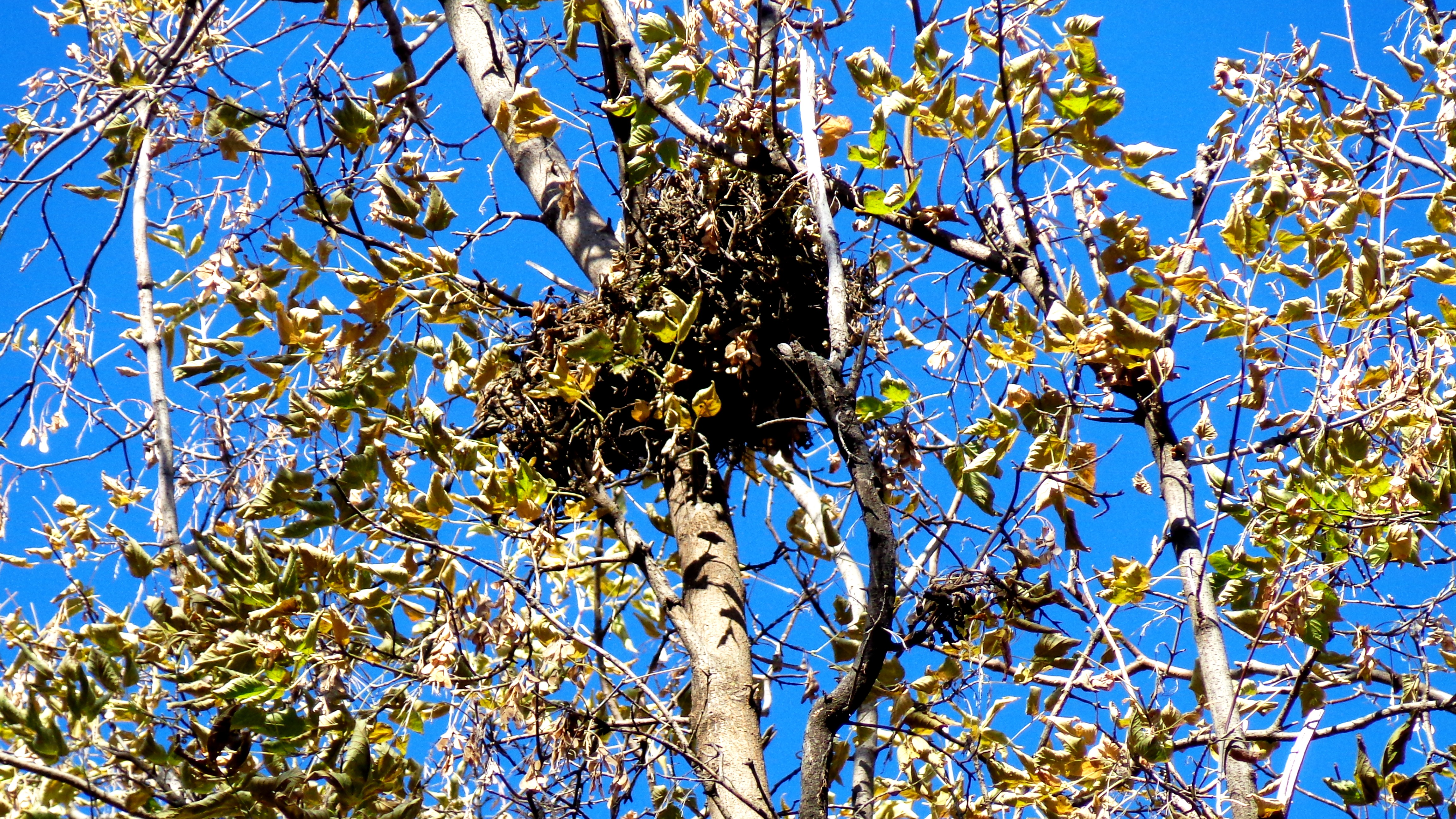
Think womb, think place: Mud Nests and the Environment
Nests are a protection for immobile and defenseless baby birds that arrive without a feather coat. An adult bird’s life is consumed with finding a location and the building essentials required for constructing a nest. Birds use their beaks and talons to gather nest material. While male birds gather, it’s the female bird who usually constructs the nest.
Mud is not only a great building material it’s an adhesive. It’s used with other materials like feathers, leaves or twigs like cement. Nests can be insulated and weather proofed with layers of these materials in the interior and exterior of a nest.
Find out what's happening in Eden Prairiefor free with the latest updates from Patch.
For instance the Barn Swallow builds cup-shaped mud nests. The variety of shapes and sizes and material used is astounding. Only about five percent of the bird population builds mud nests exclusively. There are mound nests to floating nests, tunnel nests to hanging nests and woven nests. There are even multiple-nest avian cities made of found materials that could include man-made throw-aways like bits of insulation, newspaper, yarn and string.
For most birds nest building usually occurs between March and August. Winter is a non-breeding season for nest building. Nevertheless it’s a great time to find unoccupied nests left for the next breeding season, because all the leaves have fallen off of trees making the nests easier to find, like the picture we've attached. Since birds often locate new nests close to old ones, you can go back to these areas in the spring to observe.
Find out what's happening in Eden Prairiefor free with the latest updates from Patch.
The preservation of nests and code of conduct of the Animal Humane Society NestWatch is to observe, and catalog, never disturb. The value and preservation of birds in nature includes: insect and rodent population control; distribution of seeds that leads to forest conservation; food sources for bird predators.
As one of the most populace life forms the incredible diversity of the bird population exemplifies the evolutionary adaptions species have had to make to adapt to a changing environment. This diversification and adaption to the environment demonstrates that conserving natural habitats is not only critical to the survival of the bird population, but everything in nature because of our interconnectedness.
Find out More at www.writersrisingup.org
Free Event -Weather Permitting
Bring with: Paper, Pen and Camera
Saturday November 16th 10am to 12noon
Elizabeth Fries Ellet Interpretive Trail at the Richard T. Anderson Conservation Area