Community Corner
Why Keep Police Radio Public?
During the manhunt for the Boston Marathon bombers, police had to plead with the public and reporters not to repeat all they heard over police scanners.


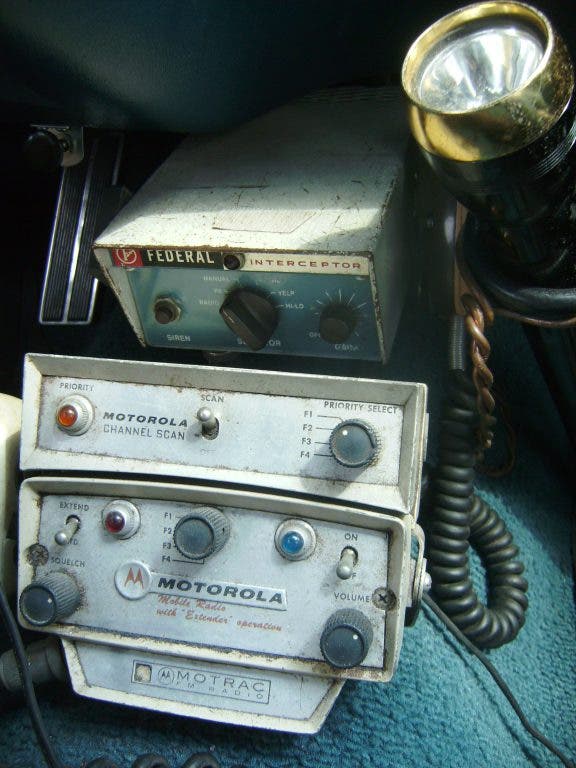
Why should the public be able to eavesdrop on police radio communications?
(Leave a comment below)
That question came to a head in Watertown, MA after the bombing at the Boston Marathon, as thousands of people tuned into Boston police scanner chatter via Internet apps and spread information (and misinformation) on social media, creating hazards for law enforcement:
The combination of large numbers of laypersons listening to these conversations—and then broadcasting their interpretation of the communications instantly on Twitter—can be dangerous to police work ...
Find out what's happening in Fridleyfor free with the latest updates from Patch.
It raises the risk for police that they'll be ambushed if the people they're pursuing gain access to their communications.
There's also the risk that people could congregate at crime scene locations, or even deputize themselves and get involved in police business ...
Find out what's happening in Fridleyfor free with the latest updates from Patch.
Boston police tweeted a stern warning: "Do Not Compromise Officer Safety by Broadcasting Tactical Positions of Homes Being Searched."
Analysts called it an "awkward and chaotic spectacle" and predicted that "Watertown could be the beginning of a big switch" away from public scanner access.
That would change things for news reporters—including at Patch sites in Watertown and in Minnesota—as well as for other scanner-listeners, many of whom exchange information on Twitter as well on Facebook sites such as the Police Clips page in the Twin Cities.
Should the public—including those in the news media and on social media—continue to have access to police radio communications? Why or why not? Leave a comment below.
Get more local news delivered straight to your inbox. Sign up for free Patch newsletters and alerts.